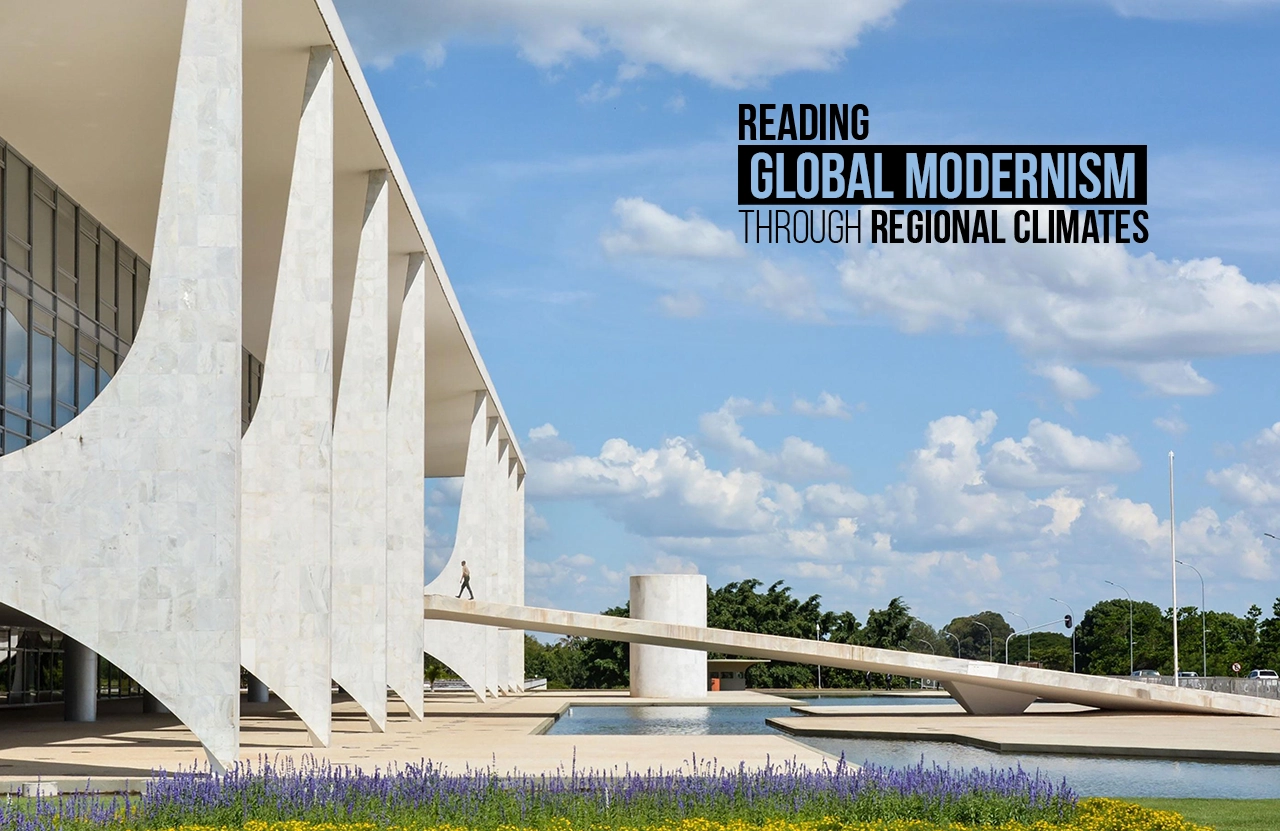
Modernist architecture is the diamond in the rough of architectural styles. Arising and born from the remains of WWI and WWII, it arose as a style that didn’t have the luxury to build anything elaborate or intricate.
The modernist architecture style came from a desire to build a society that had been fatally destroyed by the wars, and to build it quickly! The modernism style in architecture is part of a broader and bigger art style that arose as a result of serious displeasure with all the definitions and standards of previous styles.
New Style, New Features!
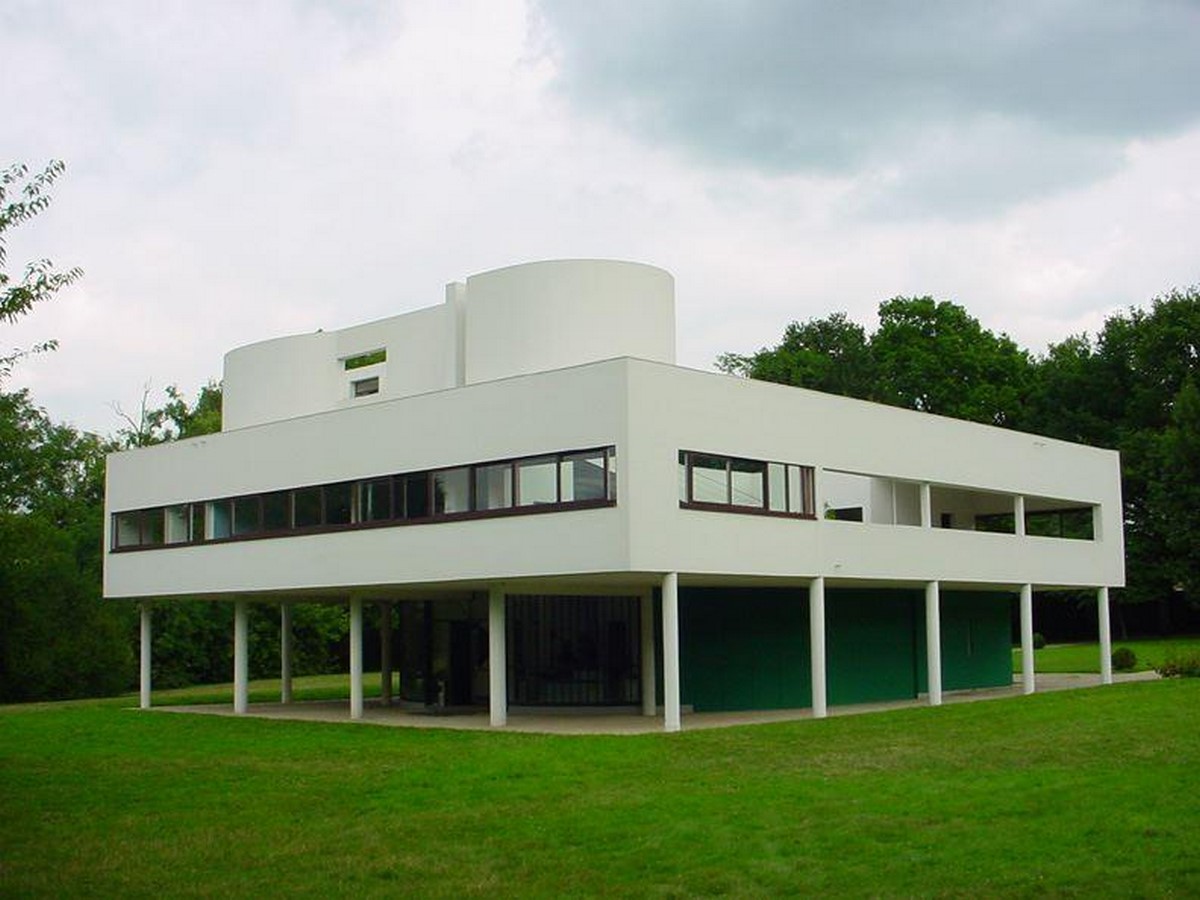
Modernism in architecture is marked by three core principles: minimalism, the use of new materials, and functionality.
Modernism was greatly influenced by the need to rebuild society after the wars, the growth of modernism owes its style and features to the industrial revolution and the production of new materials such as steel and glass. These new materials are the greatest marks of a modernist building, and the extensive use of glass and steel owes its inception to the Industrial Revolution.
The influence of the industrial revolution is also seen in the focus of modernism on functional spaces, clean lines, and the embracing of minimalism in the exterior and interior of buildings. The movement was determined to get rid of the obsession with ornamentation that was quite popular in the styles preceding it. To achieve this, modernism completely stripped off ornaments and focused on the building’s structure functioning as the best aesthetic inspiration.
From Europe to the World
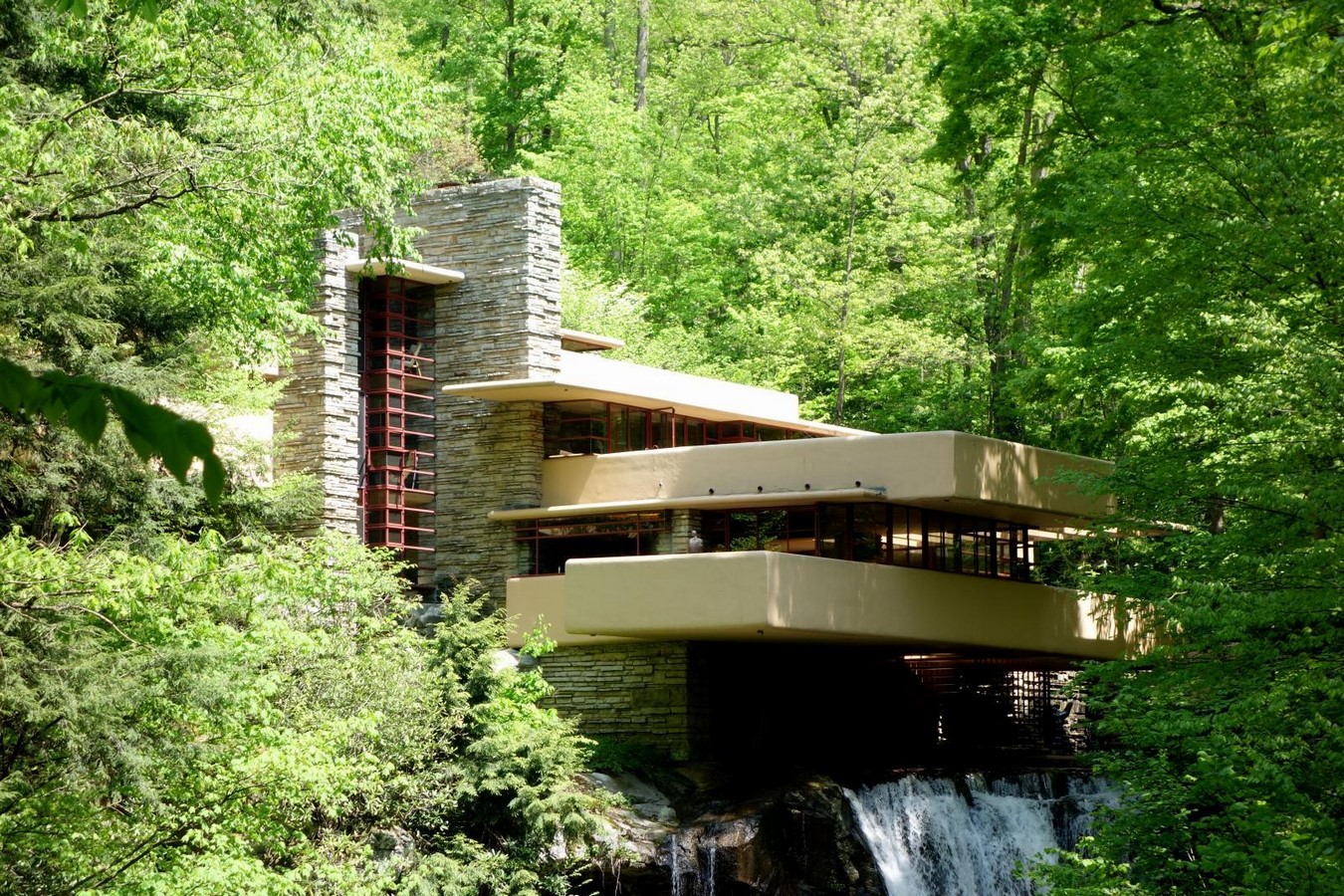
While modernism started as an European style, after a couple of years, its influence grew and moved to seep into the design styles of the whole world in some form.
Even though technological innovation and industrial revolution were very major factors in allowing a huge part of the world’s experience to change around the same time. Some other factors played very key roles in making modernism go from an European style to a global style.
A very crucial factor is colonialism. The colonies were known to be greatly influenced by the art, beliefs, and style of their European masters. This influence went beyond just the buildings, but also the food, language, and clothing.
Other factors that were responsible included the migration of artists and architects from Europe to other surrounding regions and the growth of media. Especially for developing countries, the media plays a vital role in determining what is copied and implemented.
Upgrade or Downgrade, the Climate Dilemma
With careful observation of modernist architecture, it is easy to see where the incredible designs pose a serious climate problem. The block-like designs of modernist architecture, the heavy use of concrete, and the obsession with glass facades translate to one critical problem: air conditioning and lighting had to be mechanical.
This solution, in the form of mechanical air conditioning and lighting, only felt like a solution for a short period. With the rise of sustainable design in the late 20th and early 21st century, modernism faced serious opposition.
In addition to this, there were the increasing energy bills required to achieve thermal comfort for its occupants, with these bills differing based on the region where the building is located. Regions like Africa and desert regions had more severe issues with achieving suitable comfort for its occupants.
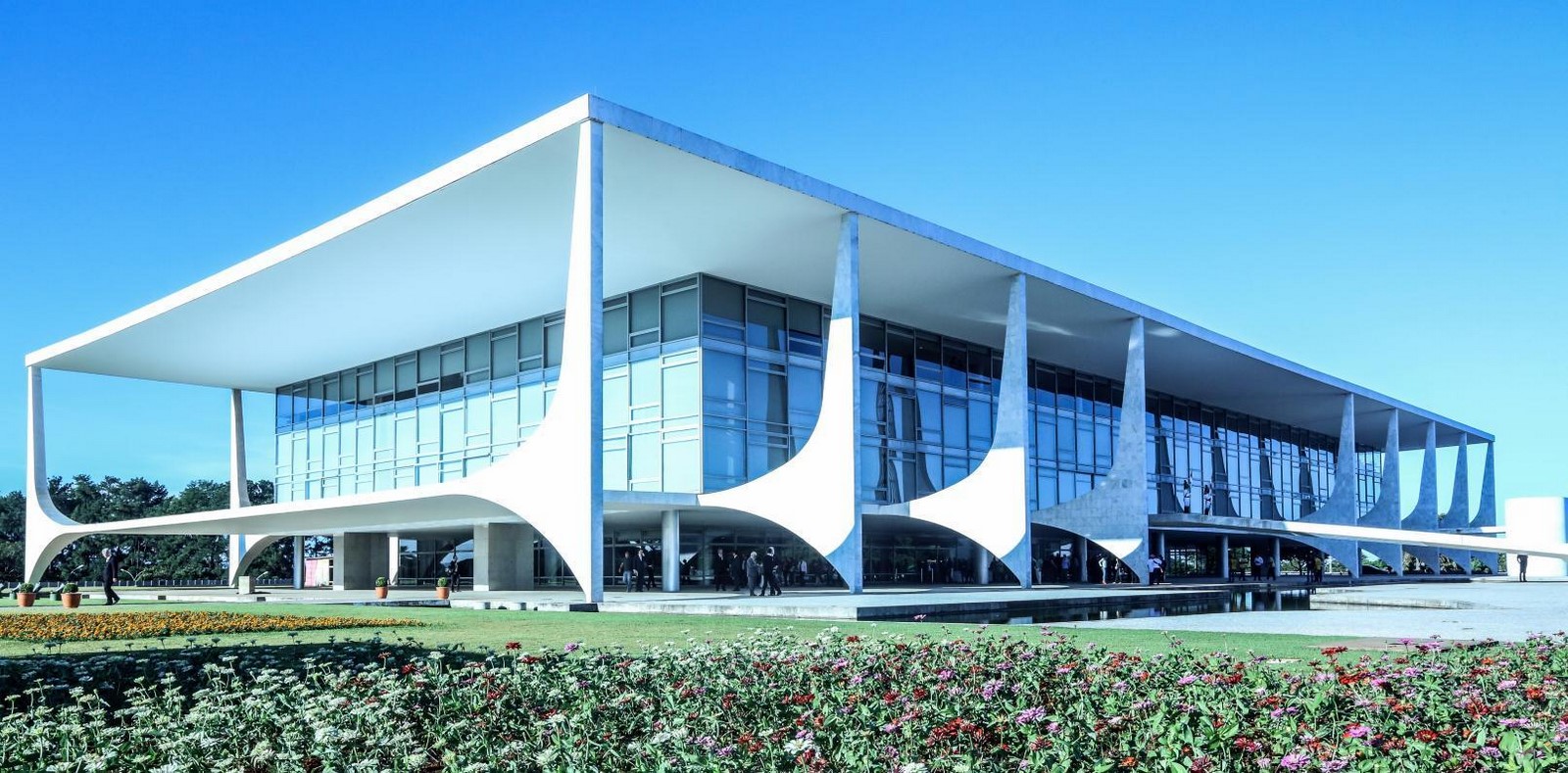
Tropical Modernism
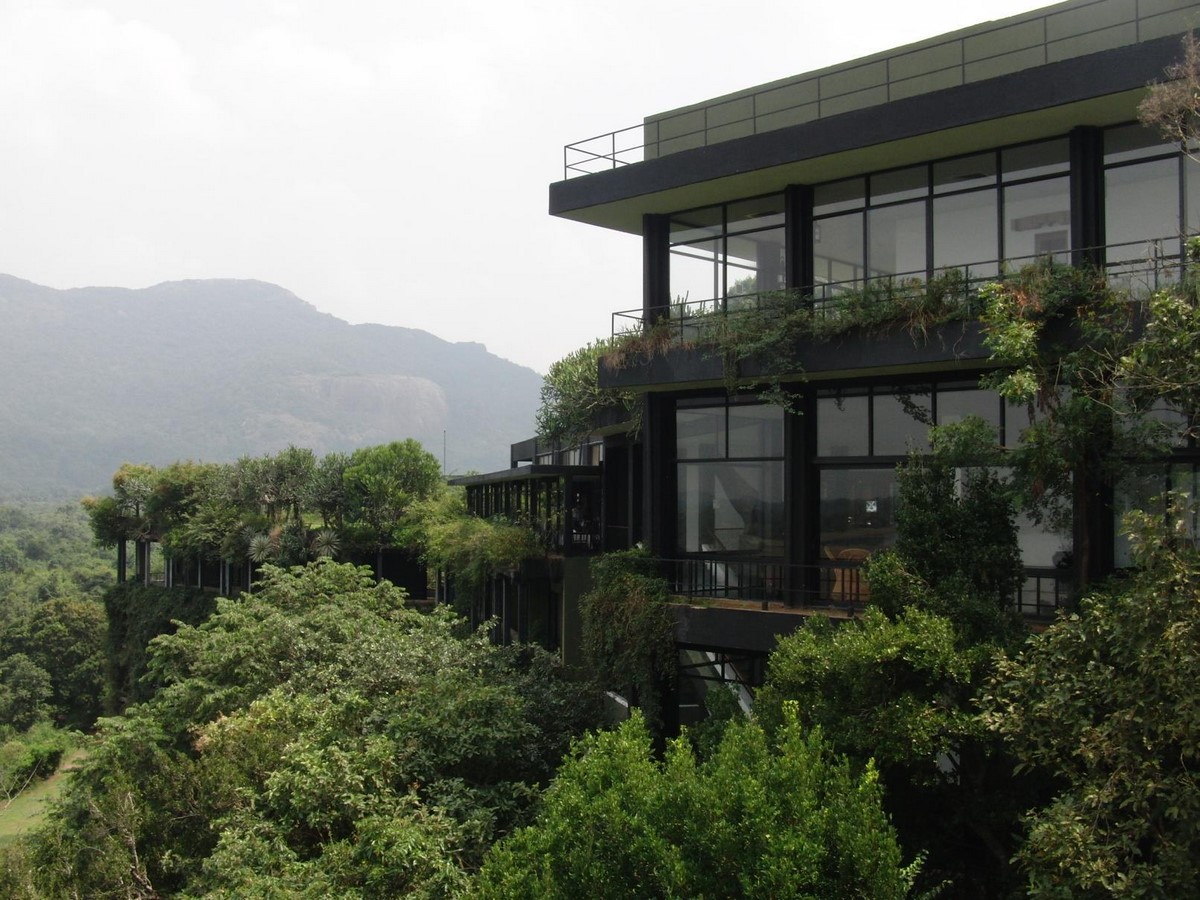
A new architectural style was born from modernism, called Tropical Modernism. The proponents of tropical Modernism had a goal to balance modern technology with the specific character, need, and building practices of their regions.
With a focus on regions in Asia, Africa, Latin America, and the Pacific Islands, tropical Modernism places its focus on environmental responsiveness by extensively using local materials(wood and bamboo), implementing passive design strategies, and incorporating architectural elements that are common and efficient for the region, for example, pitched roofs with wide overhanging eaves.
Tropical Modernism also uses a lot of transitional spaces like verandahs and courtyards to improve the general air flow within the buildings. These are elements that are not just common with the vernacular architecture of these regions but also efficient design approaches when considering thermal comfort and sustainability.
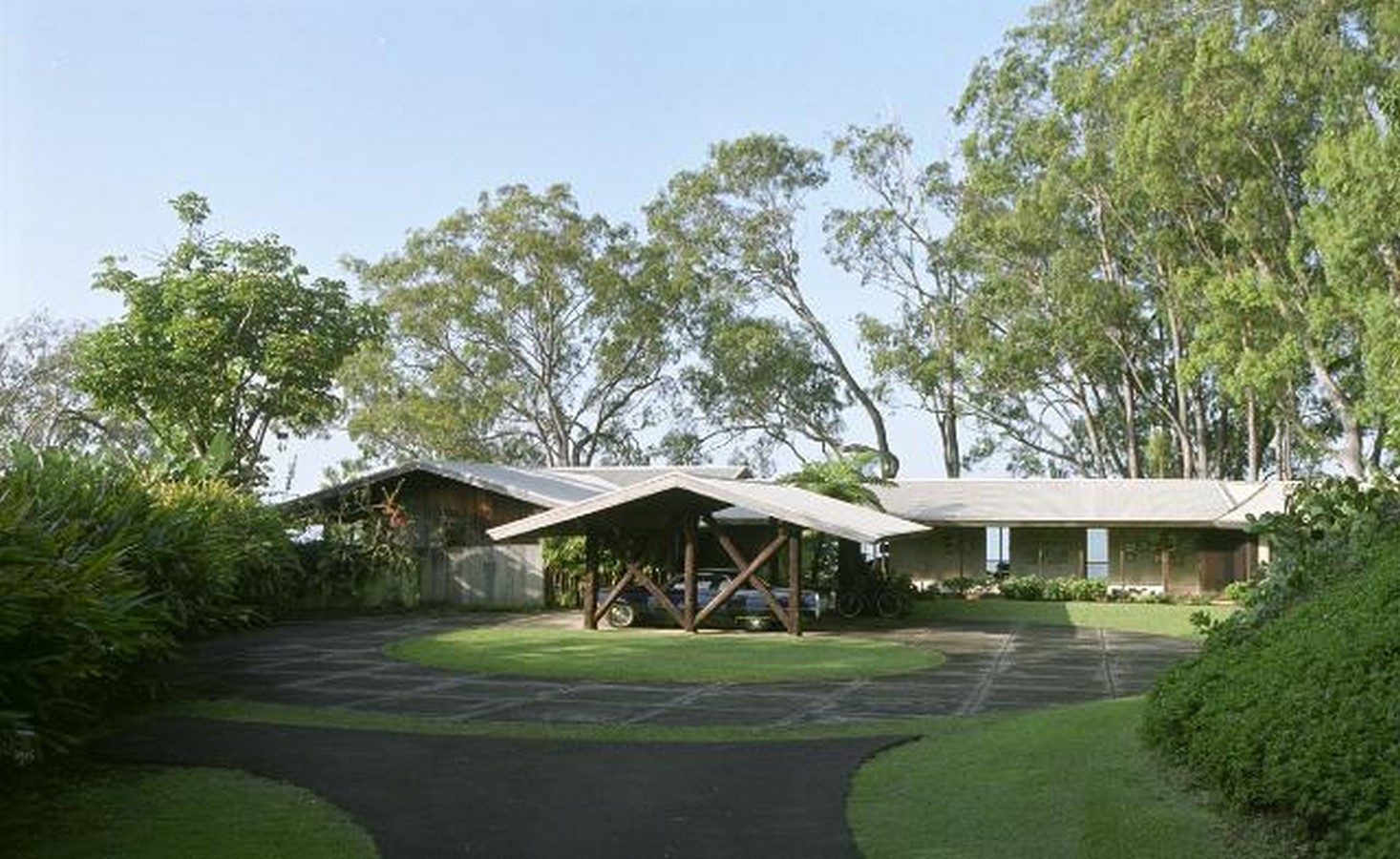
Desert Modernism
Desert Modernism is an offshoot of tropical Modernism, but a very unique offshoot. Riding on similar desires and goals as tropical Modernism, the aim is to create clean, minimalist, and functional modern buildings within the desert climate.
The nature of modern architecture may seem to antagonize the functional possibilities of this style in terms of comfort for occupants; however, desert Modernism focuses on building a style that first prioritizes solving the problems of its environment. With a serious focus on passive cooling strategies, water conservation systems, renewable energies, and climate-responsive and resilient design.
Desert Modernism also mostly incorporates local materials and the idea to make the buildings look as close to their environment as possible.
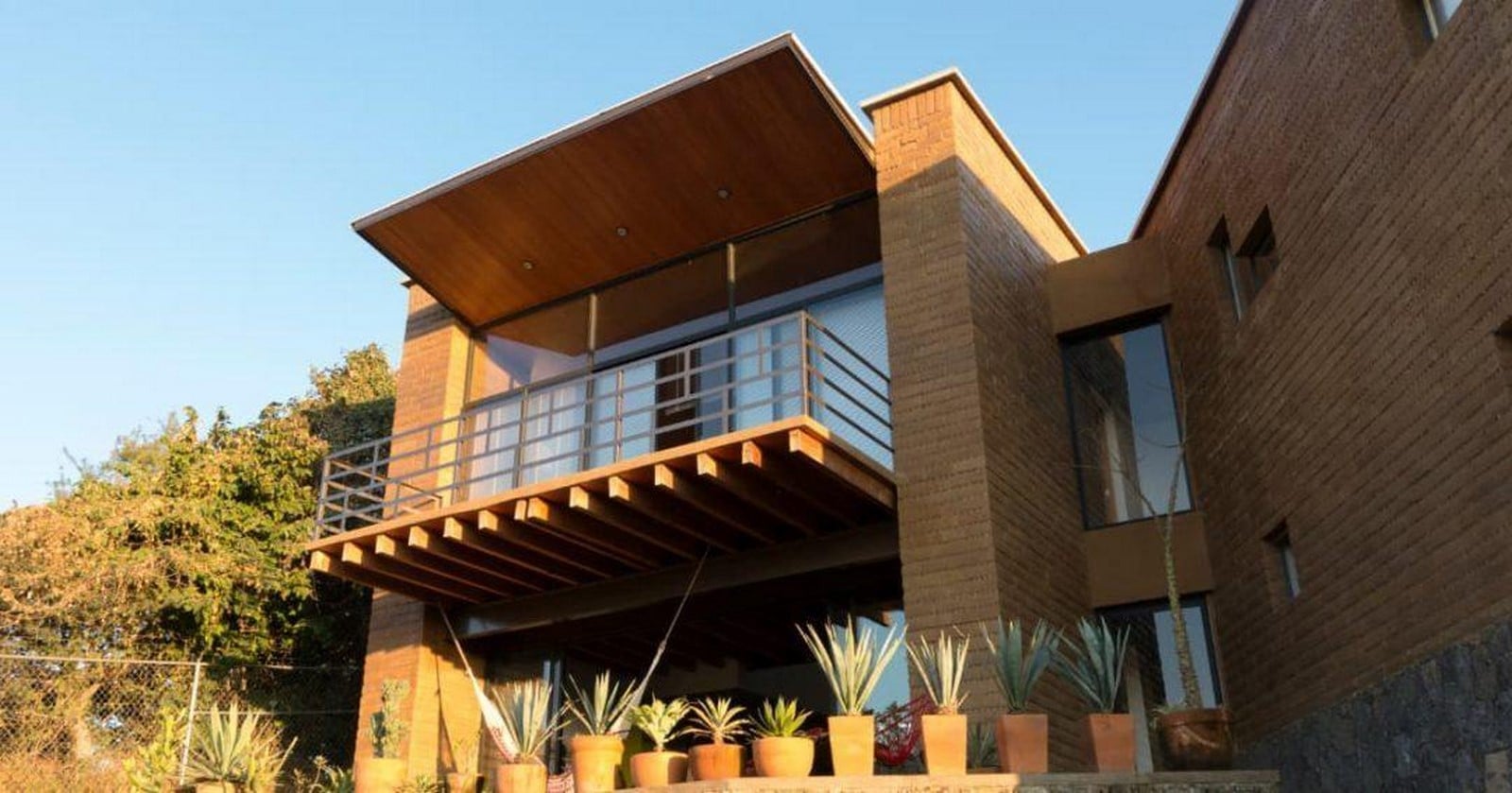
The Flexibility of Modernist Architecture
Aside from all of the initial problems that modern architecture raised with climate responsiveness and environmental preservation, modern architecture has also been proven to be a very flexible style that allows for innovation and adjustments.
The minimalist nature of modern helps contribute to the sustainable move for responsible use of materials, and the functionality of the designs serves as a clean slate on which passive design strategies and innovative design approaches that tackle design problems can be built on.
Also, the emphasis on solid structural elements gives Modernist Architecture durability and structural integrity, making adaptive reuse easy. Even though Modernism mostly ignored the environment, it can be seen from the above regional adaptations and expressions that the environment has become a very important aspect of modernist architecture.
CITATIONS:
Digital Solutions, 2021. What Is Modernity and Who Made It? King’s College London – Comparative Literature Blog. Available at: https://blogs.kcl.ac.uk/complit/2021/01/15/what-is-modernity-and-who-made-it/ [Accessed 14 Dec. 2025].
Hutter Architects, 2025. Sustainable Desert Architecture: Complete Guide 2025. Available at: https://hutterarchitects.com/sustainable-desert-architecture-complete-guide-2025/ [Accessed 14 Dec. 2025].
Marfella, G., 2024. Modern Architecture and Climate: Design Before Air Conditioning. ArchitectureAU. Available at: https://architectureau.com/articles/modern-architecture-and-climate-design-before-air-conditioning/ [Accessed 14 Dec. 2025].
McLaughlin, K., 2023. Modern Architecture 101. Architectural Digest. Available at: https://www.architecturaldigest.com/story/modern-architecture-101 [Accessed 14 Dec. 2025].
Ralston Architects, 2025. Desert Modernism: Designing Luxury for the Harshest Climates. Ralston Architects. Available at: https://www.ralstonarchitects.com/desert-modernism-design/ [Accessed 14 Dec. 2025].
Tejjy Inc., 2024. The Relationship Between War and Architecture. Tejjy. Available at: https://www.tejjy.com/relationship-between-war-and-architecture/ [Accessed 14 Dec. 2025].
Wagner, K., 2020. Review: Modern Architecture and Climate—Climaticization Takes Command. The Architect’s Newspaper. Available at: https://www.archpaper.com/2020/07/review-modern-architecture-and-climate-climaticization-takes-command/ [Accessed 14 Dec. 2025].
Wikipedia, 2025. Modern architecture. Available at: https://en.wikipedia.org/wiki/Modern_architecture [Accessed 14 Dec. 2025].
Wikipedia, 2025. Tropical Modernism. Available at: https://en.wikipedia.org/wiki/Tropical_Modernism [Accessed 14 Dec. 2025].