The surrounding built environment usually tells a story, which determines how individuals interact, travel in various environments, or form memories without even realising it. The impact of architecture does not only stop at the well-known skylines, but it flows into the normal day-to-day spaces and neighbourhoods. Entering the first year of architecture, students usually begin by admiring buildings for their forms or looks, but their overall architectural understanding expands when they start to see how a space affects human behaviour, comfort and even the culture. Architecture interacts with each and every person on a daily basis, often unaware of how it frames their life.
How perception changes with time.
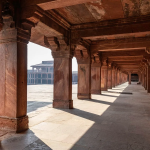
At the start of their architectural education, students look at structures as they are admiring a photograph, appreciating their shape, height or visual outline from a distance. As their comprehension gets transformed, the focus turns inwards. They begin to observe minor details like movement of the crowd on a shaded pathway, changes in the voice that change the mood of a room, or novelty in a narrow street. The quote by Winston Churchill, which states, “We shape our buildings, and afterwards our buildings shape us”, is frequently mentioned in the architectural design studios. Slowly, students understand that architecture is not about the looks but the experiences.
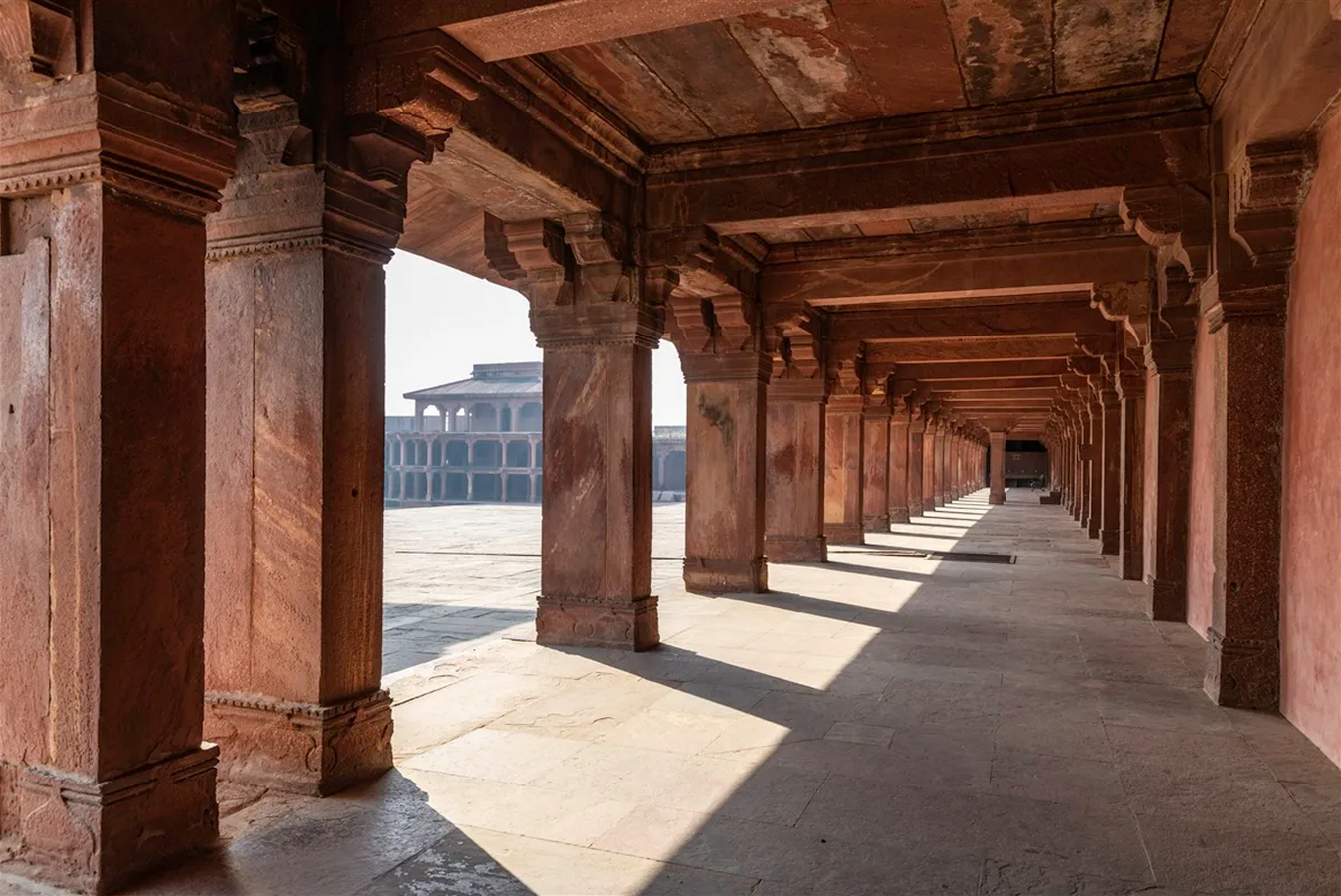
Learning to read a Space.
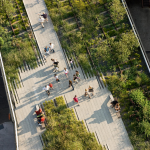
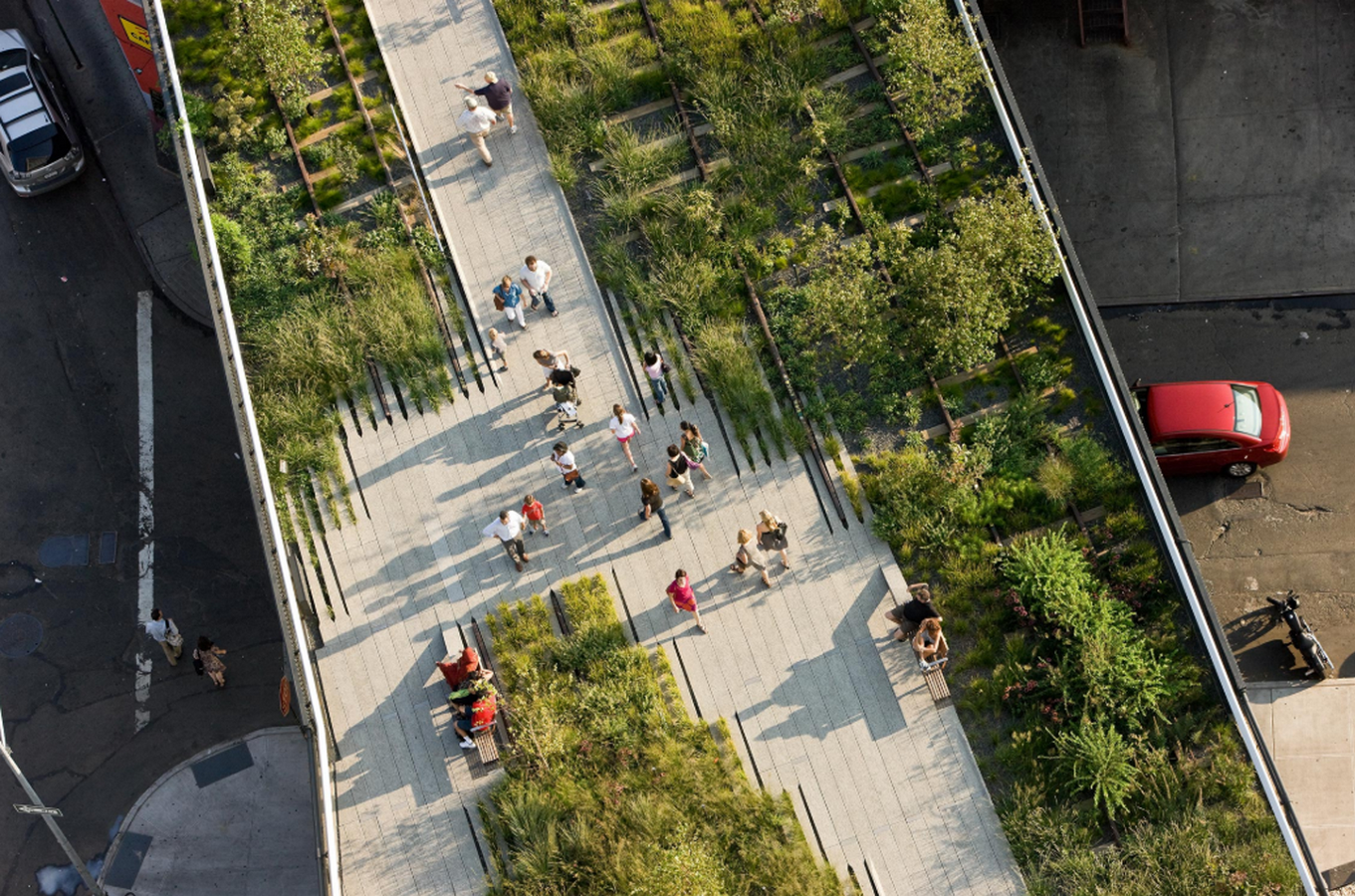
Learning to read a space is one of the most crucial skills to be acquired by any architectural student. May it be the proportions, materials, airflow, sunlight, and human patterns, each plays a part of interpretation in designing a space. The impact of architecture can be seen when all these elements are considered while designing. The terraced landscapes of the Varanasi Ghats leads to a sustenance of rituals, repose and community activities along a solitary expense of riverfront. In another totally different situation, the High Line, New York, transforms an abandoned railway line into a meeting place where people will wander aimlessly.
Technical knowledge which develops awareness.
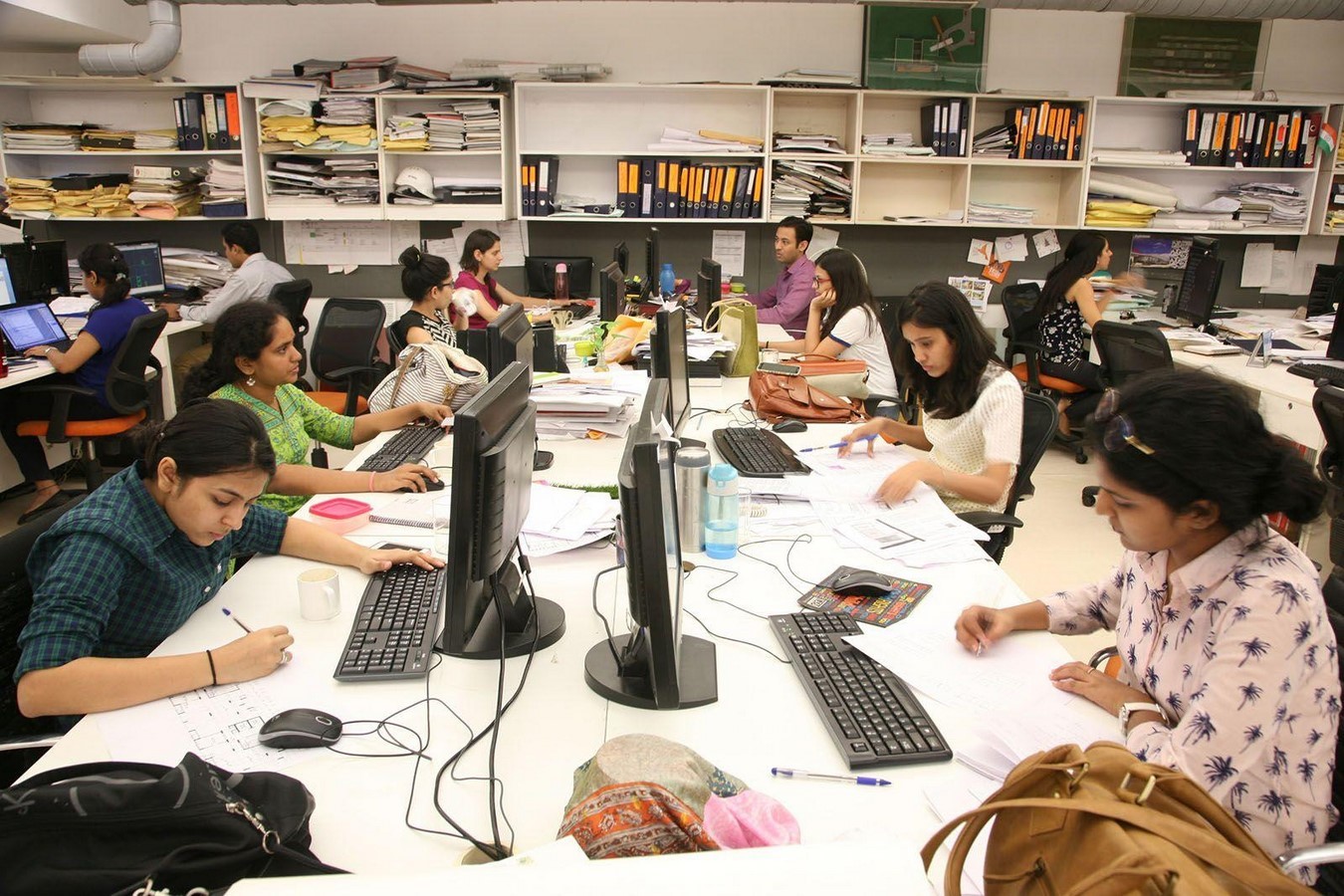
Topics such as structure, services and climate responsive design are hard to handle initially, but help to refine the skill of anticipating why some spaces act in a given manner. Over time, these teachings settle into intuition. Light is not just something that illuminates the space, but it also creates the atmosphere. Ventilation becomes a need for comfort. The proportions of human beings also turn out to be a critical aspect of dignity in the design. The influence of architecture can be traced in the difference between a school full of soft day light and the one with severe artificial lighting, or the neighbourhood that is designed to be walked in and the one that is completely dependent on vehicles.
The Broader impact of architecture on communities.
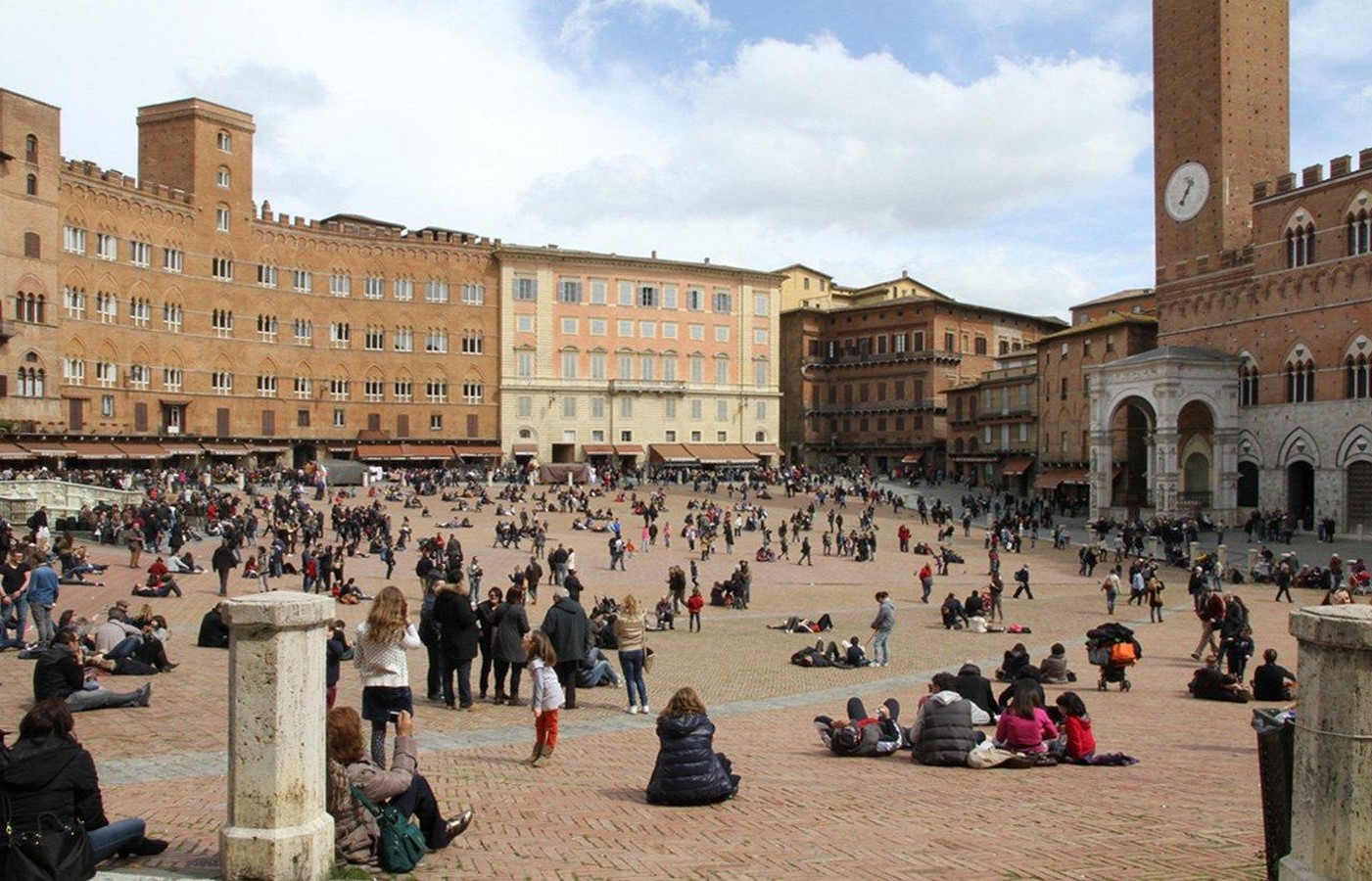
Even those who have never been in a design studio respond to the built environment instinctively. An effectively designed open space usually makes it pleasant without a description. The Piazza del Campo in Siena entices the visitor to its centre with its gradual inclination and how the surrounding structures hold the area together. The Sydney opera house steps are more vibrant than its interiors because it provides people with a spot to take rest and view the water. Such places demonstrate how the effects of architecture are woven in the daily pleasures of socializing, having a break, or just observing the world go by.
Architecture in relation to identity and recollection.
There are certain structures which serve as our memory anchors. The Taj Mahal in Agra is not only beautiful, but a portion of its strength lies in the skill and the depth of emotion that it contains. On the other hand, a historic monument may not be as equally important to the community as a courtyard or local market. Gradually, students realize that architecture defines the stories that individuals discuss with themselves. The effect of architecture is not only the quality of design, but also the way that places become a component of an individual’s or social identity.

Accountability of creating the future.
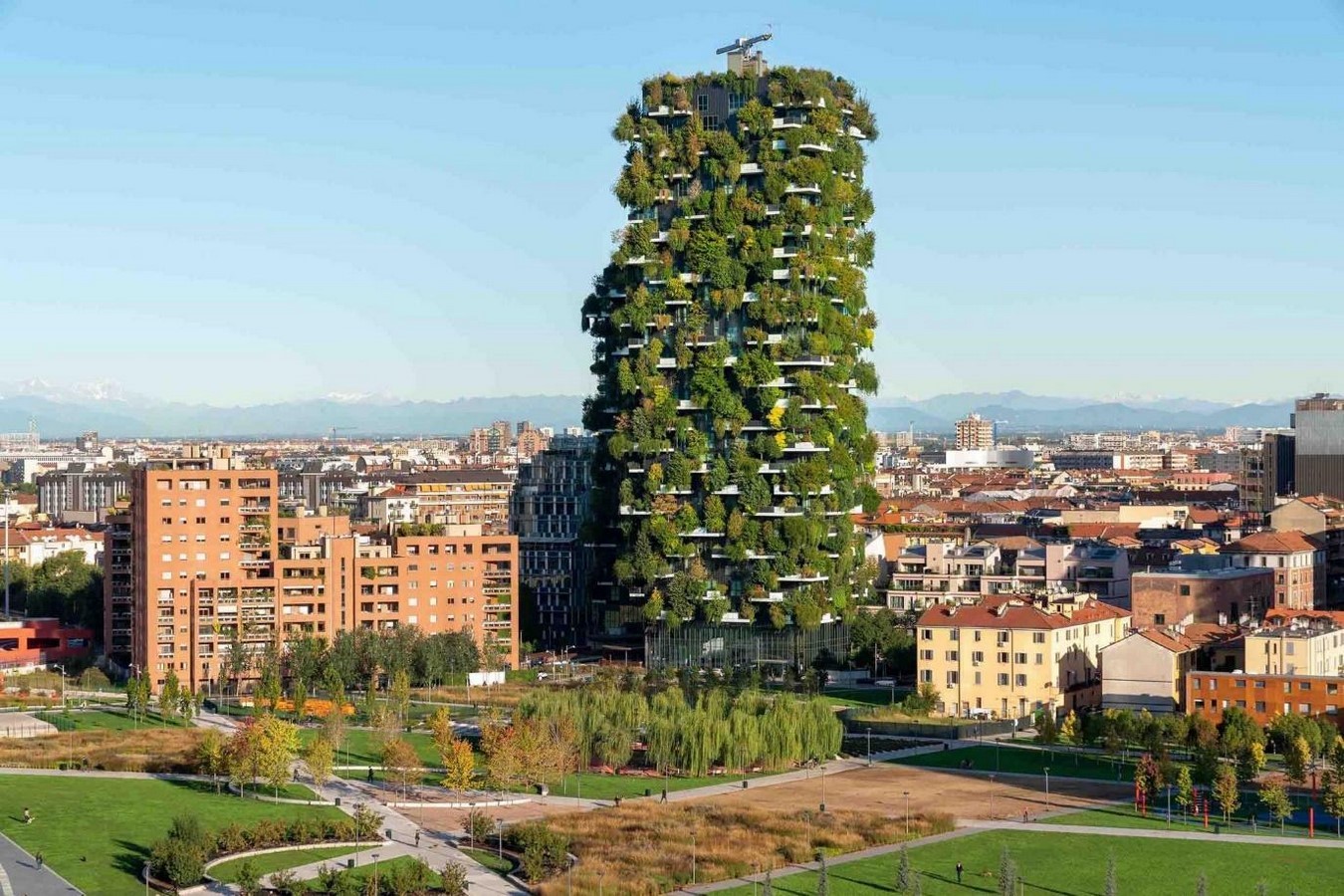
Until the final year architecture starts identifying as a responsibility more than a craft. Architecture can give a backbone to the environment, rather than just occupying it, as seen in buildings like Milan’s Bosco Verticale, which is composed of layers of greenery. Good designs show the ability to support the environment and improve the communities, whereas poor designs may strain the ecosystems and restrict our chances.
Architecture is a part of every individual or common narrative, whether one is a person formally studying architecture or simply living in the world without knowing anything about it. To future architects, the process starts with fascination and culminates in a deeper comprehension of the spaces, whereas for communities, it affects their day-to-day activities. The impact of architecture is present in everyone’s life through different aspects. This awareness serves as a starting point of designing more considerate, sustainable experiences and humanistic spaces as designers join this field.
References:
- Churchill, W. (1943). We shape our buildings, and afterwards our buildings shape us. Speech delivered at the House of Commons, UK.
- Kevin Standage Photography. (2019). Fatehpur Sikri Palace Complex, Agra – Akbar. Available at : https://kevinstandagephotography.wordpress.com/category/india/uttar-pradesh/fatehpur-sikri/
- The High Line, New York. (2024). History of High Line. Available at : http://thehighline.org/
- Archiobjects. (2023). Piazza del Campo, Siena. Available at: https://www.archiobjects.org/siena-tuscany-piazza-del-campo-example-public-space/
- UNESCO World Heritage Centre. (2024). Taj Mahal. Available at : https://whc.unesco.org/en/list/252/
- Stefano Boeri Architetti. (2014). Bosco Verticale (Vertical Forest), Milan, Available at: https://www.stefanoboeriarchitetti.net/en/project/vertical-forest/