Quick Answer
Putting off roof repairs might seem like a way to save money in the short term, but it often leads to far greater expenses down the line. A minor leak can escalate into rotting wood, damaged insulation, or even interior mold – issues that compromise both your home’s safety and value. Emergency fixes tend to cost more than planned repairs due to urgency, limited contractor availability, and secondary damage. In many cases, what starts as a small job could turn into a full roof replacement if not addressed early.
Introduction
Imagine waking up to the sound of dripping water – soft at first, then persistent. You grab a bucket, place it under the leak, and tell yourself you’ll “deal with it later.” That moment of delay is where many homeowners unknowingly open the door to escalating problems. Roof issues rarely resolve on their own; instead, they quietly grow worse with every rainfall or snowmelt cycle.
When damage becomes severe – like exposed decking after a windstorm or active water intrusion – timely intervention is critical. In such scenarios, accessing reliable emergency roof repair in Calgary or any region can mean the difference between a manageable fix and a full-scale restoration project. The key is recognizing when a problem has crossed from “routine” to “urgent.”
The truth is, the financial and structural stakes of ignoring roof damage are higher than most people realize. Understanding the real implications of waiting – versus acting early – can help you protect your biggest investment: your home.
The Real Impact of Delayed Roof Repairs
Many homeowners assume that a small roof issue – like a missing shingle or a faint ceiling stain – is something they can “keep an eye on.” But unlike a squeaky door or a dripping faucet, roofing problems don’t stay contained. Left unattended, they trigger a cascade of damage that affects not just your attic or ceiling, but your home’s structural integrity, energy efficiency, and indoor air quality.
The true cost of delaying repairs isn’t just about dollars – it’s about compounding risk. Below, we break down how minor neglect can snowball into major consequences, and why timing matters more than you might think.
How Minor Issues Become Major Expensive Problems
What begins as a pinhole leak can quickly evolve into something far costlier. Rainwater seeps into the underlayment, saturates the decking, and weakens the support beams. In colder climates, trapped moisture freezes and expands, cracking wood and lifting shingles. Over time, this creates entry points for more water and pests.
Common progression of unchecked roof damage:
- Week 1–2: Minor leak stains the ceiling; insulation remains dry.
- Month 1: Insulation dampens, reducing R-value; heating bills rise.
- Month 3: Roof decking begins to rot; mold spores appear in the attic.
- Month 6+: Structural framing compromised; interior drywall sags or crumbles.
At this stage, a simple patch job is no longer viable. The scope shifts from repair to restoration – or worse, full replacement.
Emergency vs. Planned Repairs: A Cost Comparison
The financial difference between acting early and reacting late is significant. Emergency services often involve after-hours labor, temporary stabilization (like tarping), and expedited material delivery – all of which carry premiums. In contrast, planned repairs allow for competitive quoting, optimal scheduling, and less collateral damage.
| Repair Type | Typical Trigger | Average Timeline | Cost Implication |
| Planned Repair | Routine inspection or minor leak | Days to weeks | Lower labor rates, bulk pricing |
| Emergency Repair | Active leak, storm damage, collapse | Hours to 1–2 days | Premium labor, urgent logistics |
While the average roof repair cost for a planned fix on a standard asphalt shingle roof might range from $300 to $1,200, emergency call-outs can easily double or triple that – especially if interior remediation (like drywall or mold treatment) is needed.
When Repair Isn’t Enough: The Roof Repair vs Replacement Threshold
There’s a tipping point where patching no longer makes sense. Most roofing professionals use a rule of thumb: if more than 30% of the roof is damaged, or if the system is nearing the end of its expected lifespan (typically 20–25 years for asphalt), replacement is more economical long-term.
Key indicators you’ve crossed into roof replacement cost territory:
- Multiple layers of shingles (common in older homes)
- Widespread curling, granule loss, or bald spots
- Recurrent leaks in different areas
- Sagging roof deck (a serious structural red flag)
Choosing repair over replacement when the roof is already past its prime often leads to a cycle of repeated fixes – each one chipping away at your savings without solving the root issue.
Hidden Costs You Might Not Anticipate
Beyond the obvious cost of roof repair, delays can trigger secondary expenses that aren’t immediately visible:
- Mold remediation: Can cost $2,000–$6,000 depending on spread.
- Insulation replacement: Wet insulation loses effectiveness and must be removed.
- Increased energy bills: Compromised thermal barriers lead to higher heating/cooling use.
- Insurance complications: Some providers may deny claims if neglect is suspected.
Even the roof maintenance cost of a simple annual inspection (typically $150–$300) pales in comparison to these downstream effects. Think of it as a diagnostic check-up – catching issues before they become emergencies.
What to Do Next: Smart Steps After Spotting Roof Damage
 Discovering a roof issue can feel overwhelming, especially if you’re unsure whether it’s urgent or can wait. The right response depends on the severity, timing, and type of damage. Rather than guessing, follow a clear, tiered approach that protects your home and your budget.
Step 1: Assess the Urgency – Is It a True Emergency?
Not every roof problem requires a midnight call to a contractor. Ask yourself:
- Is water actively dripping into your living space?
- Can you see daylight through the roof decking?
- Are shingles missing in large sections after a storm?
- Is there visible sagging or soft spots on the roof surface?
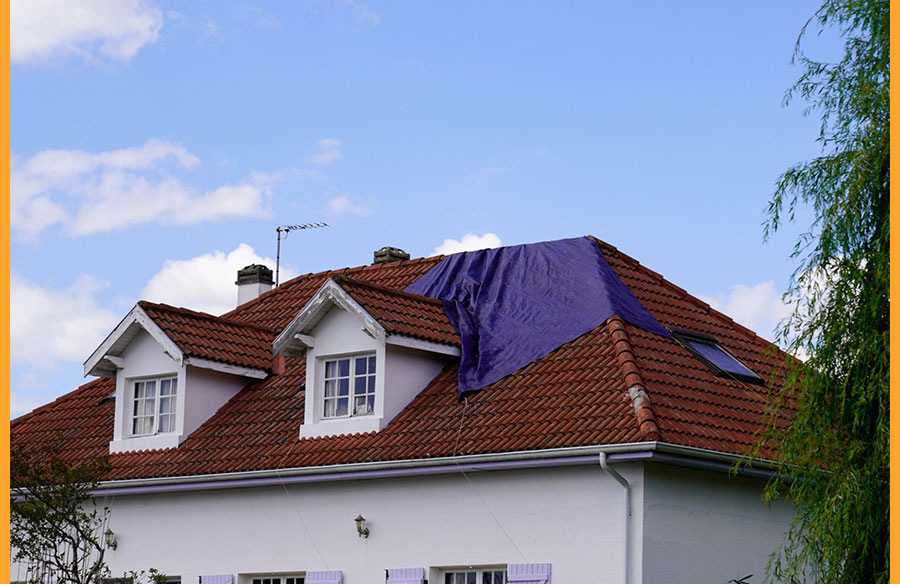
If you answered “yes” to any of these, you’re dealing with an emergency that demands immediate attention. In such cases, temporary measures – like placing buckets, moving valuables, or covering the area with a tarp – can limit interior damage until a professional arrives.
On the other hand, minor granule loss, isolated cracked shingles, or small attic condensation may allow for a scheduled inspection within a few days.
Step 2: Document Everything (Especially for Insurance)
Before making any temporary fixes, take clear photos or videos of the damage – both exterior and interior. Note the date and weather conditions. This documentation is crucial if you file an insurance claim.
If storm-related damage is suspected (hail, high winds, ice), contact your insurer first. Many policies require you to report damage promptly to avoid claim denial. Once the adjuster is assigned, you can coordinate with a trusted contractor for a second assessment – an independent evaluation often helps ensure a fair scope of work.
Step 3: Prioritize Preventive Roof Maintenance
One of the smartest ways to avoid emergency scenarios is consistent upkeep. The roof maintenance cost of proactive care is minimal compared to reactive fixes. Simple habits make a big difference:
- Clean gutters twice a year to prevent water backup
- Trim overhanging branches to reduce debris and critter access
- Inspect flashings around chimneys, vents, and skylights annually
- Check attic ventilation to reduce moisture buildup
These tasks rarely require professional help and can extend your roof’s life by 5–10 years.
Real-Life Insight: A Preventable $8,000 Lesson
Consider this common scenario: A homeowner noticed a small ceiling stain after the spring thaw but assumed it was “just condensation.” By fall, the attic had visible mold, and the insulation was soaked. The initial leak likely stemmed from ice damming – a preventable issue with proper insulation and gutter care. The eventual repair included drywall replacement, mold remediation, and partial roof decking restoration. Total cost: over $8,000. An early inspection would’ve cost under $300 and taken 20 minutes.
Final Thoughts: Why Timing Is Your Roof’s Best Ally
A roof doesn’t fail all at once. It sends signals – subtle at first, then impossible to ignore. The difference between a manageable fix and a financial setback often comes down to one decision: when you act.
Choosing to address issues early isn’t about fear – it’s about foresight. Planned repairs preserve your home’s structure, maintain its value, and avoid the stress (and inflated pricing) of crisis-mode fixes. On the flip side, waiting until “something really bad happens” almost guarantees you’ll pay more – not just in dollars, but in time, inconvenience, and peace of mind.