Quick Answer
In 2026, the best garage lighting revolves around energy-efficient LED fixtures that deliver superior brightness and longevity. Options like linked strip lights, deformable screw-in bulbs, and flush-mount panels stand out for even illumination without shadows. Smart controls, motion sensors, and high-lumen outputs in the 5000K-6500K range will dominate, making spaces safer and more functional for parking, workshops, or storage. Expect trends toward modular designs and integrated features for easy upgrades.
Introduction
Garages often serve multiple roles, from vehicle storage to hobby workshops, yet many remain dimly lit, creating hazards during everyday tasks. Proper illumination improves visibility, enhances safety, and turns the area into a more usable extension of the home. As technology advances into 2026, the best garage lighting prioritizes efficiency and performance.
A well-chosen setup complements other upgrades, such as durable Ultra Coating Epoxy Flooring, which reflects light to amplify brightness and create a cleaner appearance.
Modern LEDs now offer higher outputs with lower energy use, while garage ceiling lights evolve into sleek, integrated systems. Features like adjustable panels help direct light precisely where needed, reducing dark corners. These developments make upgrading straightforward and impactful for any homeowner seeking better functionality.
Top Trends in Garage Lighting: What to Choose in 2026
Advances in technology continue to shape how overhead fixtures perform in everyday spaces. By 2026, energy-efficient designs dominate, focusing on brighter outputs, smarter controls, and versatile forms that suit workshops or storage areas alike. Garage LED lights lead this shift with improved efficiency and adaptability.
Rise of Advanced LED Technologies
LED sources lead the way, offering outputs often exceeding 8000 lumens from compact units while consuming far less power than older bulbs. Deformable panels that screw into standard sockets allow adjustable arms to direct rays downward, eliminating shadows around vehicles or benches. Linked linear strips provide seamless coverage, daisy-chaining for uniform spread across wider areas.
Integration of Smart Features
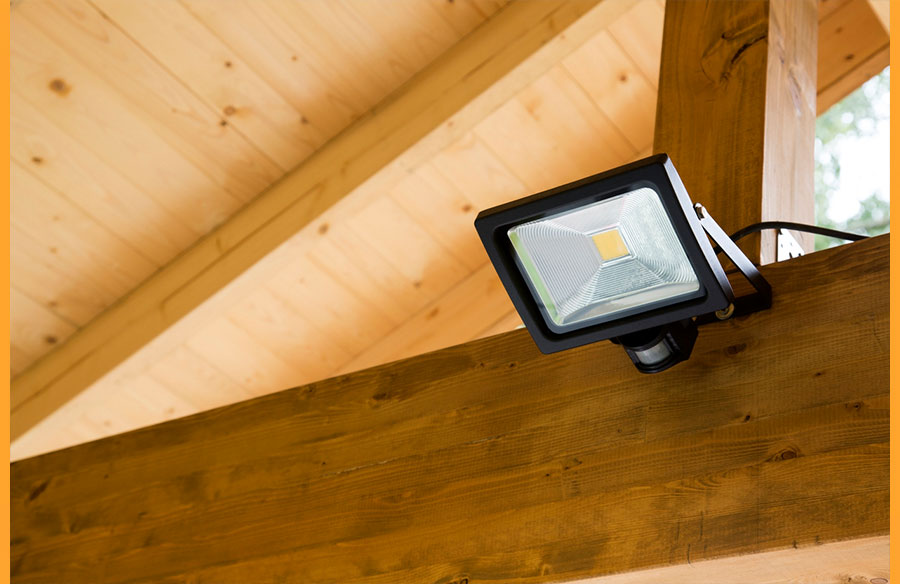
Voice-activated systems and app controls become standard, syncing with home networks for scheduling or remote adjustments. Motion detection activates illumination only during use, extending bulb life and cutting bills. Tunable colour temperatures shift from warm tones for evening access to crisp daylight equivalents for detailed tasks.
Popular Fixture Styles
- Flush-mount panels for low ceilings, delivering wide, even distribution
- High-output wraparound units replacing outdated fluorescents
- Modular hexagonal grids creating showroom-like effects without glare
- Screw-in multi-panel bulbs for quick upgrades in existing sockets
Here is a comparison of common 2026 options:
| Fixture Type | Typical Lumens Output | Key Advantages | Best For |
| Deformable Screw-In Bulbs | 6000–10000 | Easy install, adjustable direction | Quick retrofits, targeted spots |
| Linked Strip Lights | 4000–6000 per unit | Seamless linking, low profile | Full ceiling coverage |
| Flush-Mount Panels | 8000+ | Slim design, uniform light | Low or finished ceilings |
| Hexagonal Modular Grids | Variable by size | Stylish patterns, shadow-free | Workshop or display areas |
Higher CRI ratings above 90 ensure accurate colour representation, helpful when matching parts or inspecting finishes. Durability improvements handle temperature swings common in unheated zones.
These shifts make setups more adaptable and cost-effective over time. Pairing them with reflective surfaces amplifies output naturally, setting up ideal conditions for any activity.
Key Factors When Selecting Garage Lights
Choosing the right overhead illumination involves balancing performance needs with practical constraints. Factors like space layout, budget, and intended use guide decisions toward fixtures that deliver reliable results without excess.
Assessing Space and Coverage Requirements
Measure the area in square feet to calculate total lumens needed – aim for 50-100 per square foot, depending on activity level. Taller ceilings demand wider beam angles to prevent dim patches below. Test layouts with temporary lamps to spot uneven areas before committing.
Prioritizing Efficiency and Longevity
Focus on units with Energy Star ratings for lower wattage alongside high outputs. Lifespans reaching 50,000 hours mean fewer replacements, especially in dusty or humid environments. Dimmable options adapt to varying needs, from full brightness for repairs to softer levels for storage.
Weighing Cost Against Value
Initial prices range from $20 for basic bulbs to $200 for smart panels, but factor in energy savings over the years. Installation ease cuts labour costs – screw-in types suit DIY efforts, while wired systems may require pros.
Common selection pitfalls include:
- Ignoring beam spread, leading to hot spots and shadows
- Overlooking IP ratings for moisture resistance in attached spaces
- Skipping dimmer compatibility, limiting future adjustments
Evaluating Style and Compatibility
Match finishes to ceiling types – recessed for drop panels or surface-mount for exposed joists. Smart bulbs integrate with existing Wi-Fi, while hardwired versions offer stability for heavy use.
A simple decision matrix helps narrow choices:
| Priority Factor | Low Budget Pick | Mid-Range Option | Premium Choice |
| Brightness | 4000-lumen bulbs ($15-25) | 6000-lumen strips ($50-80) | 10,000+ lumen panels ($150+) |
| Smart Features | Basic motion sensors | App-controlled dimmers | Voice integration + automation |
| Durability | Standard housing | IP65-rated for damp areas | Industrial-grade heat resistance |
These elements ensure picks align with real demands. Thoughtful evaluation avoids regrets, paving the way for smooth setups ahead.
Practical Installation and Maintenance Advice
Setting up overhead fixtures proves straightforward with basic tools and planning. Homeowners handle many upgrades themselves, saving on expenses while achieving professional results. The brightest garage lights often come from high-output panels or strips positioned thoughtfully.
Preparing the Space
Clear the area of vehicles and obstacles for safe access. Turn off the power at the breaker and test circuits with a voltage checker. Mark positions on joists or drywall, spacing units evenly – typically 4-6 feet apart for strips or centred for single panels.
Step-by-Step Mounting Process
- Secure mounting brackets first, using anchors for drywall or screws into wood
- Connect wiring: match black to hot, white to neutral, and green or bare to ground
- Tuck connections into junction boxes with wire nuts
- Attach the fixture body and secure diffusers or lenses
For plug-in styles, hang chains from hooks and route cords neatly. Retrofit kits replace old fluorescents without rewiring.
Safety tips include:
- Working with a partner for heavy units
- Wearing gloves to avoid fingerprints on bulbs
- Checking weight limits on ceiling supports
Ongoing Care Routines
Dust lenses monthly with a soft cloth to maintain output. Inspect seals in damp locations for wear. Replace failed drivers promptly rather than waiting for full burnout.
Troubleshooting common issues:
- Flickering often signals loose connections – tighten wires
- Dimming indicates overheating – improve ventilation
- Buzzing from incompatible dimmers – switch to LED-rated controls
Simple habits extend service life and keep performance steady. Regular attention prevents minor problems from growing, leading to dependable operation year-round.
Benefits of Expert Guidance for Garage Illumination
Tackling an overhead upgrade solo appeals to many, yet certain situations call for skilled hands to avoid headaches down the road. Specialists bring depth that streamlines the process and elevates the final setup. LED shop lights for garage use are a frequent professional recommendation due to their reliability and performance.
Spotting Hidden Challenges Early
Experienced installers assess existing wiring, structural limits, and ventilation right away. They flag potential issues like undersized circuits or code requirements before work begins, preventing costly rework.
Achieving Optimized Performance
Precise angling and spacing create balanced coverage with minimal waste. Custom integrations link controls to broader home systems effortlessly. Durable components resist dust buildup and temperature fluctuations common in these areas.
Benefits often include:
- Even distribution that reduces eye strain during extended use
- Energy optimizations tailored to usage patterns
- Warranties covering both parts and labour for added reassurance
Reflective elements, such as polished floor treatments, pair well with pro designs to boost overall brightness naturally. Guidance from knowledgeable providers turns functional spaces into efficient, welcoming ones worth the investment.
Final Thoughts on Upgrading Garage Lighting in 2026
Brightening an underused area pays off quickly in convenience and security. Modern fixtures deliver exceptional clarity with minimal upkeep, transforming routine tasks into effortless ones.
Homeowners gain the most by matching outputs to actual habits – whether occasional parking or frequent projects. Combining high-efficiency sources with smart tweaks yields spaces that feel expansive and welcoming.
Advances continue to make improvements accessible and rewarding. The best garage lighting aligns technology with practical demands, creating versatile spots ready for daily life. Investing time in selection and setup brings reliable performance that enhances the whole property for years to come.