Graphic design has evolved far beyond learning software and producing visually appealing layouts. Social media and artificial intelligence has changed the required skillset. Today’s designers are expected to think strategically, adapt to new technologies, and deliver work that functions across multiple platforms and industries. As a result, students choosing where to study face an increasingly important question, so what actually makes a graphic design course relevant in today’s industry.
With creative roles becoming more competitive and employers demanding job-ready skills, not all courses prepare students equally. Understanding what separates an industry-ready programme from a surface-level one can make a significant difference to long-term career prospects.
Foundational design skills still matter most
Despite rapid technological change, strong design fundamentals remain essential. Typography, layout, colour theory, visual hierarchy, and concept development form the backbone of professional design work. Courses that focus primarily on teaching software shortcuts without grounding students in these principles often leave graduates underprepared for real-world creative challenges.
An industry-ready course teaches students how to think like designers, not just how to operate tools.
Real-world projects and portfolio development
One of the clearest indicators of course quality is how much emphasis is placed on practical work. Employers and clients rarely hire based on certificates alone. They look for evidence of problem-solving ability, process, and finished outcomes that demonstrate real understanding.
As expectations continue to rise, students comparing graphic design courses should prioritise programmes that focus on structured portfolio development, real briefs, and workflows that reflect how designers actually work in professional environments.
Courses that simulate real projects help students bridge the gap between education and employment far more effectively than purely theoretical programmes.
Alignment with industry expectations and accreditation
Industry relevance also depends on how closely a course aligns with professional standards. Accreditation, structured assessment, and clear learning outcomes provide accountability and help ensure that students are gaining skills recognised beyond the classroom.
Well-designed courses are regularly reviewed and updated to reflect changes in design practice, client expectations, and technology. This ongoing alignment is critical as creative roles continue to expand into areas such as digital content, branding systems, motion, and user-focused design.
Preparing students for modern creative workflows
Designers entering the industry in 2026 will work in environments that combine creativity with efficiency, collaboration, and adaptability. Exposure to modern workflows, including emerging technologies, collaborative tools, and professional processes, is increasingly important.
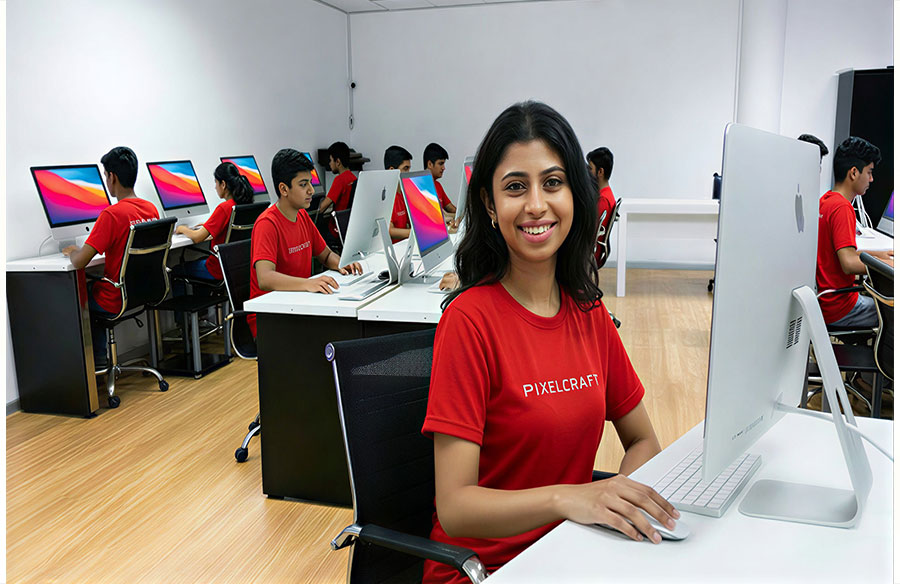
One example of an institution aligning its curriculum with these expectations is Pixel Craft Training, a Durban-based design college that emphasises hands-on learning, structured assessment, and ongoing curriculum updates in response to industry change.
Rather than treating new tools as replacements for creative thinking, industry-ready programmes position them as supports that enhance ideation, productivity, and execution while maintaining strong design foundations.
Choosing a course with long-term value
Ultimately, the goal of studying design is not simply to complete a course, but to build a sustainable creative career. Students who choose programmes that prioritise real-world skills, portfolio quality, and industry alignment place themselves in a far stronger position to adapt as the creative landscape continues to evolve.
As the industry moves into 2026 and beyond, graphic design education that balances foundational skills with modern practice will remain the most valuable investment for aspiring designers.