The living room has evolved into the heart of modern homes. It now serves as a hub for relaxation, social gatherings, and digital entertainment.
Central to this transformation is the television, which has become a focal point around which entire rooms are designed. Choosing the right TV furniture is no longer just about function; it has become a critical design decision.
Today’s homeowners face an overwhelming array of options when selecting TV stands and entertainment units. Understanding the key factors that influence this decision helps create spaces that are both beautiful and practical.
Understanding Your Space Requirements
Before selecting any TV furniture, a thorough assessment of available space is essential. Room dimensions, layout, and traffic flow all influence which type of unit will work best.
Measure the wall where the TV will be positioned carefully. Consider the viewing distance from primary seating areas as well.
Experts recommend a viewing distance of approximately 1.5 to 2.5 times the diagonal screen size. This calculation helps determine whether a low-profile unit or a taller console better suits the room.
In open-concept homes, TV furniture should complement kitchen cabinetry and dining furniture. Cohesive material choices and colour palettes create visual harmony throughout connected living areas.
Types of TV Furniture for Modern Interiors
The market offers diverse TV furniture options suited to different needs. Each type brings unique advantages to modern living spaces.
Wall-mounted units create a sleek, minimalist appearance. They work particularly well in contemporary interiors where clean lines are priorities.
Traditional TV consoles remain popular for their generous storage capacity. These freestanding units accommodate media equipment, gaming consoles, and decorative objects.
For spaces requiring flexibility, mobile options have gained significant traction. Wheeled TV stands allow homeowners to reposition screens or adjust viewing angles easily.
Material Selection and Durability
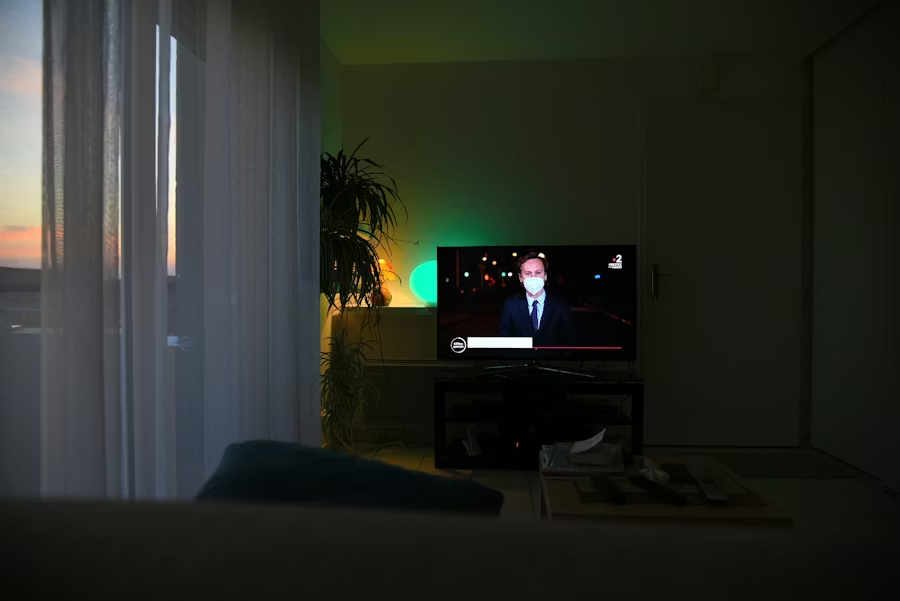 Material choice significantly impacts both aesthetics and longevity. Solid wood options like oak, walnut, and teak bring warmth and natural character.
These materials develop a beautiful patina over time. They add lasting character to any entertainment space.
Engineered wood and MDF offer budget-friendly alternatives. Quality veneer finishes provide visual appeal while keeping costs manageable.
Metal frames have surged in popularity in industrial settings. Steel and aluminium constructions offer exceptional strength while maintaining slim profiles.
Glass shelving paired with metal frames creates an airy aesthetic. This combination keeps entertainment areas feeling open and uncluttered.
Design Trends Shaping TV Furniture in 2026
The 2026 design landscape shows a clear shift toward furniture with personality. According to the 1stDibs trend report, 43 percent of designers identify curved furniture as a top trend.
This influences entertainment units significantly. Rounded edges and organic forms are replacing sharp geometric lines.
Texture has emerged as a defining element in furniture design. Designers are combining wood, metal, rattan, and stone for visual depth.
The quiet luxury movement emphasises quality construction over flashy branding. Homeowners increasingly invest in well-crafted pieces with traceable origins.
Warm neutral tones dominate the 2026 colour palette. Creamy whites, caramel shades, and soft browns create inviting entertainment spaces.
Balancing Storage and Display
Effective TV furniture strikes a balance between concealed storage and open display. Enclosed cabinets hide unsightly cables and clutter effectively.
Soft-close hinges and push-to-open mechanisms add convenience. These features preserve sleek facades while improving functionality.
Open shelving provides opportunities to showcase decorative objects. A well-designed TV table combines both closed compartments and open display sections.
Cable management deserves careful consideration during selection. Quality units include rear cable channels and hidden power strip compartments.
Sizing Your TV Furniture Correctly
Proportion plays a crucial role in achieving a balanced entertainment area. The TV unit should be wider than the television itself.
Experts recommend at least 5 to 10 centimetres of clearance on each side. This creates visual breathing room and prevents the screen from appearing cramped.
The centre of the screen should align with seated eye level. This is typically between 100 and 120 centimetres from the floor.
Units that position the television too high cause neck strain. Always consider ergonomics during extended viewing sessions.
Depth requirements vary based on the equipment being housed. Most modern media components require 30 to 45 centimetres of depth.
Creating a Cohesive Entertainment Environment
TV furniture should integrate harmoniously with existing room elements. Consider the style of surrounding sofas, coffee tables, and lighting fixtures.
Matching or complementary finishes create unity throughout the space. This thoughtful approach elevates the entire room’s design.
For commercial settings or homes requiring frequent reconfiguration, a heavy duty mobile tv stand provides unmatched versatility. These robust units support larger screens while offering smooth mobility.
LED strip lighting behind the television reduces eye strain during viewing. Accent lighting within display shelves draws attention to decorative objects.
Acoustic considerations increasingly influence entertainment area design. Positioning TV furniture away from bare walls helps optimise audio performance.
Conclusion
Selecting the right TV furniture requires balancing practical needs with aesthetic aspirations. The perfect piece supports daily entertainment habits while enhancing room design.
By considering space requirements, material quality, and proper proportions, homeowners can create lasting entertainment areas. The best spaces feel intentional, with every element working together harmoniously.
Investing time in thoughtful TV furniture selection pays dividends. It leads to enhanced daily living and lasting satisfaction with your home environment.