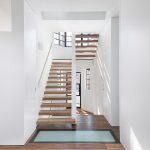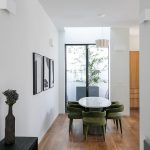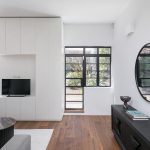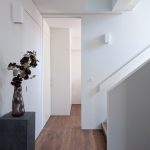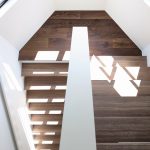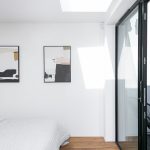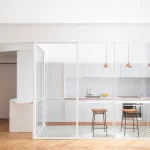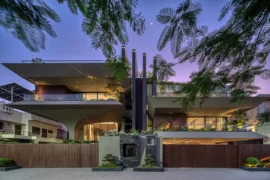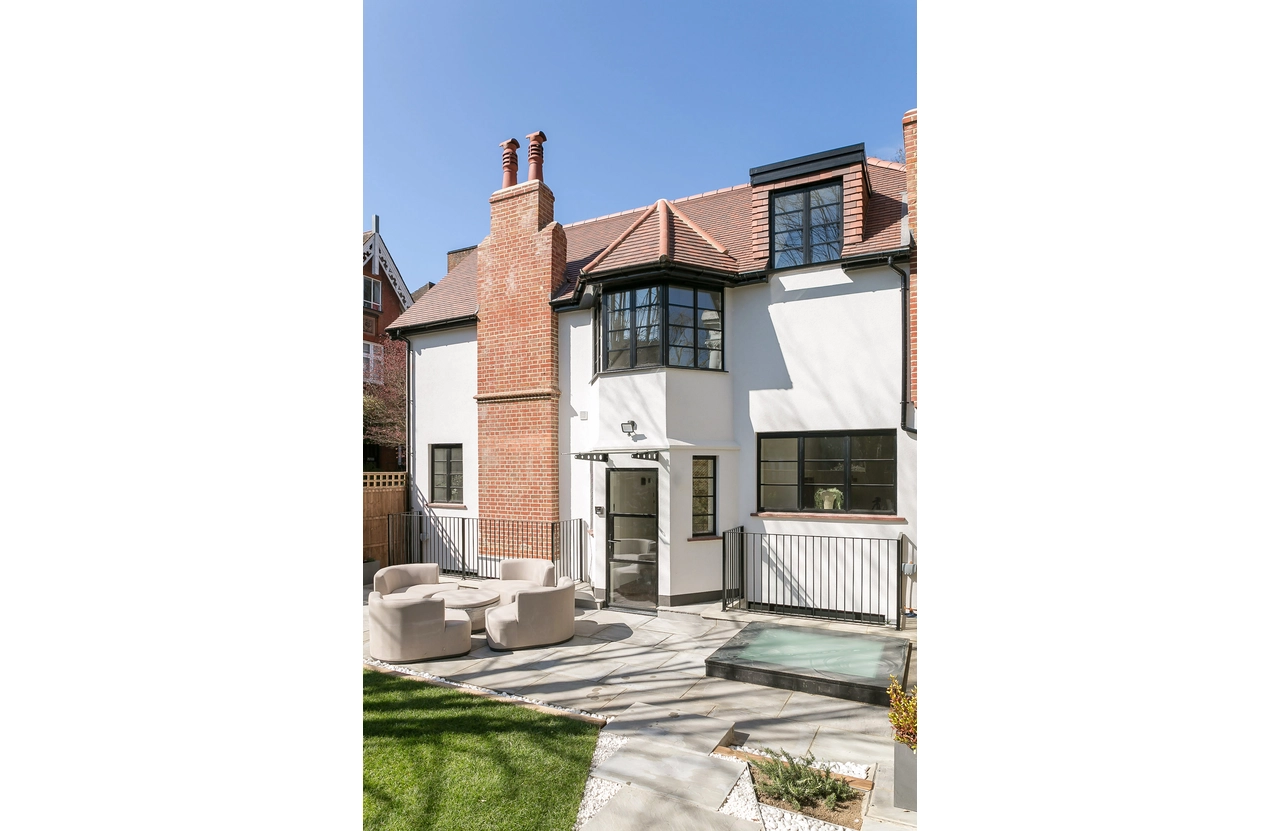
The design of Monument House references the Müller and Moller Houses by Adolf Loos, who famously proclaimed, ‘Only a small part of architecture belongs to the realm of art: the tomb and the monument’. Most functional elements of the interior of Monument House are visually disguised as sculptural volumes and planes.
Project Name: Monument House
Studio Name: WILLIAM TOZER Associates
Location: Hampstead, London
Year: 2025
Size: 244 sqm
Photographer: Lukasz Wielkoszynski

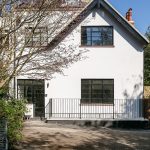
Concealing doors, storage, and entire rooms, these art-like elements radiate from a central staircase, itself a sculptural composition of arrayed planes; visual signifiers of its function hidden. Where large portions of Loos’s interiors are decorated functional elements, and his exteriors are stark sculptural compositions of rectangles, it is conversely the historic exterior of Monument House that is a decorated functional building. A top-floor balcony, and light-well spaces that project out from the new basement level, echo the balconies of the two Loos houses. Wall cut-outs, the central rooflight, and inlaid glass floor panels similarly reference elements of both precedents.
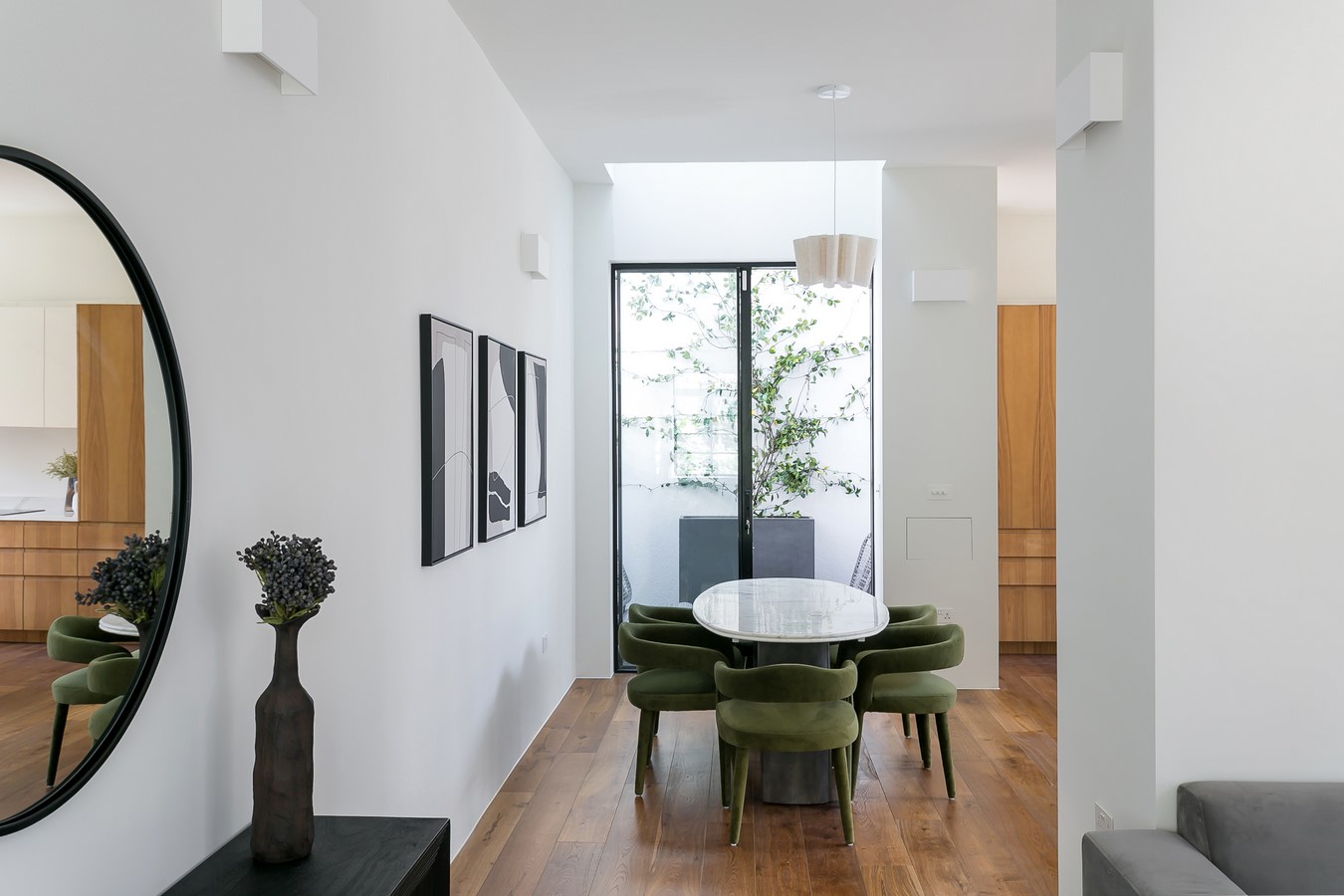
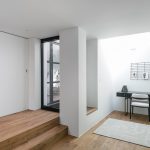
The entry area and staircase is separated from the kitchen by a stepped white volume, which also conceals the ovens and kitchen storage.
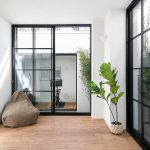
Black gridded windows and doors appear as functional furnishings to the voids in the exterior walls of the sculptural interior. The dining area is illuminated by pedestrian-loaded glass on the first-floor terrace, and a small courtyard beyond.
Reminiscent of the glazed wall panels in the living room wall of Loos’s Müller House, pedestrian glazing here brings light between the basement, ground, and first floors.
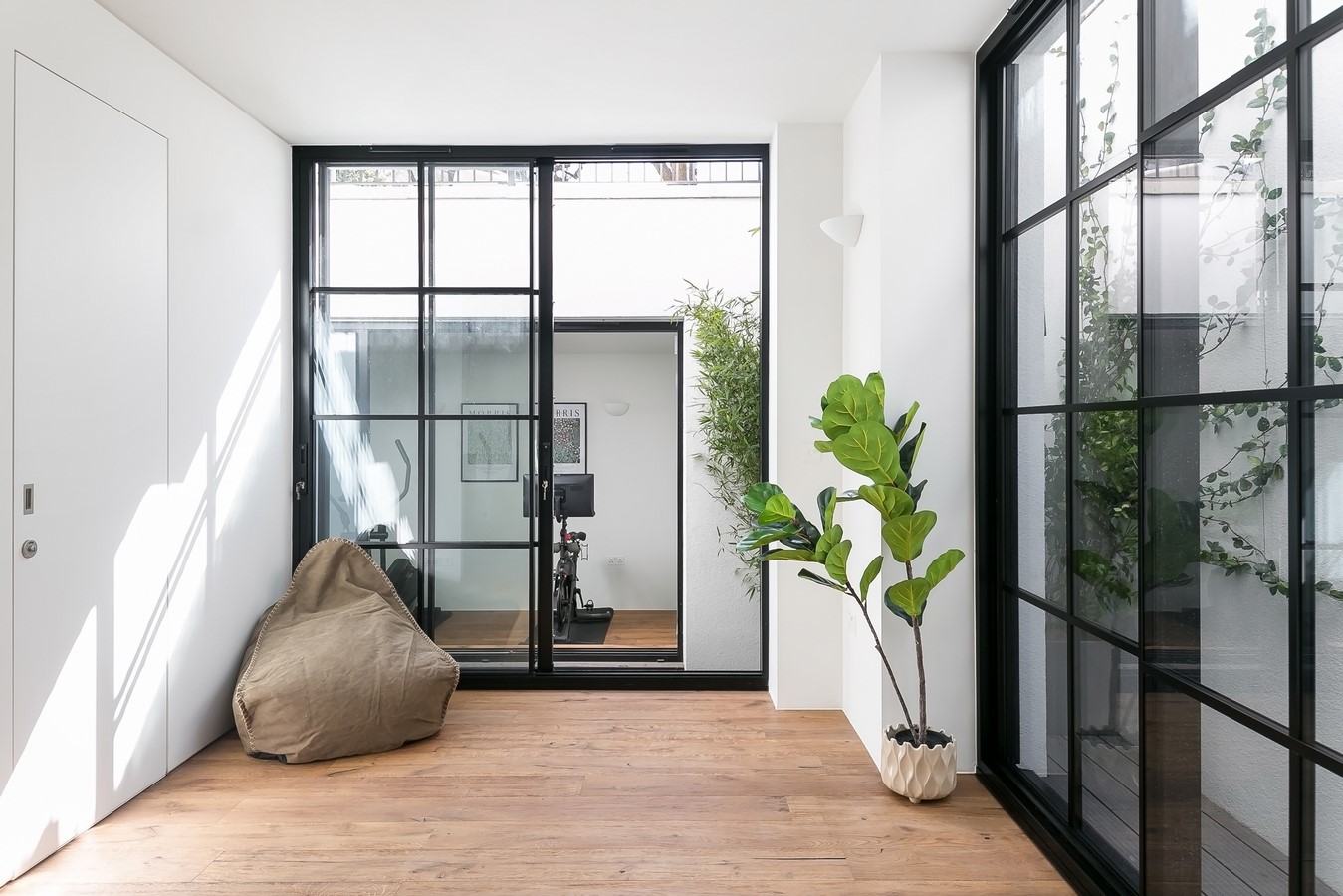
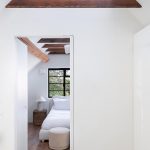
The basement bedroom draws ample natural light from the pedestrian-loaded glass on one side, and a light-well to the front garden on the other—indistinguishable from the above-ground courtyard to the dining area on the level above.
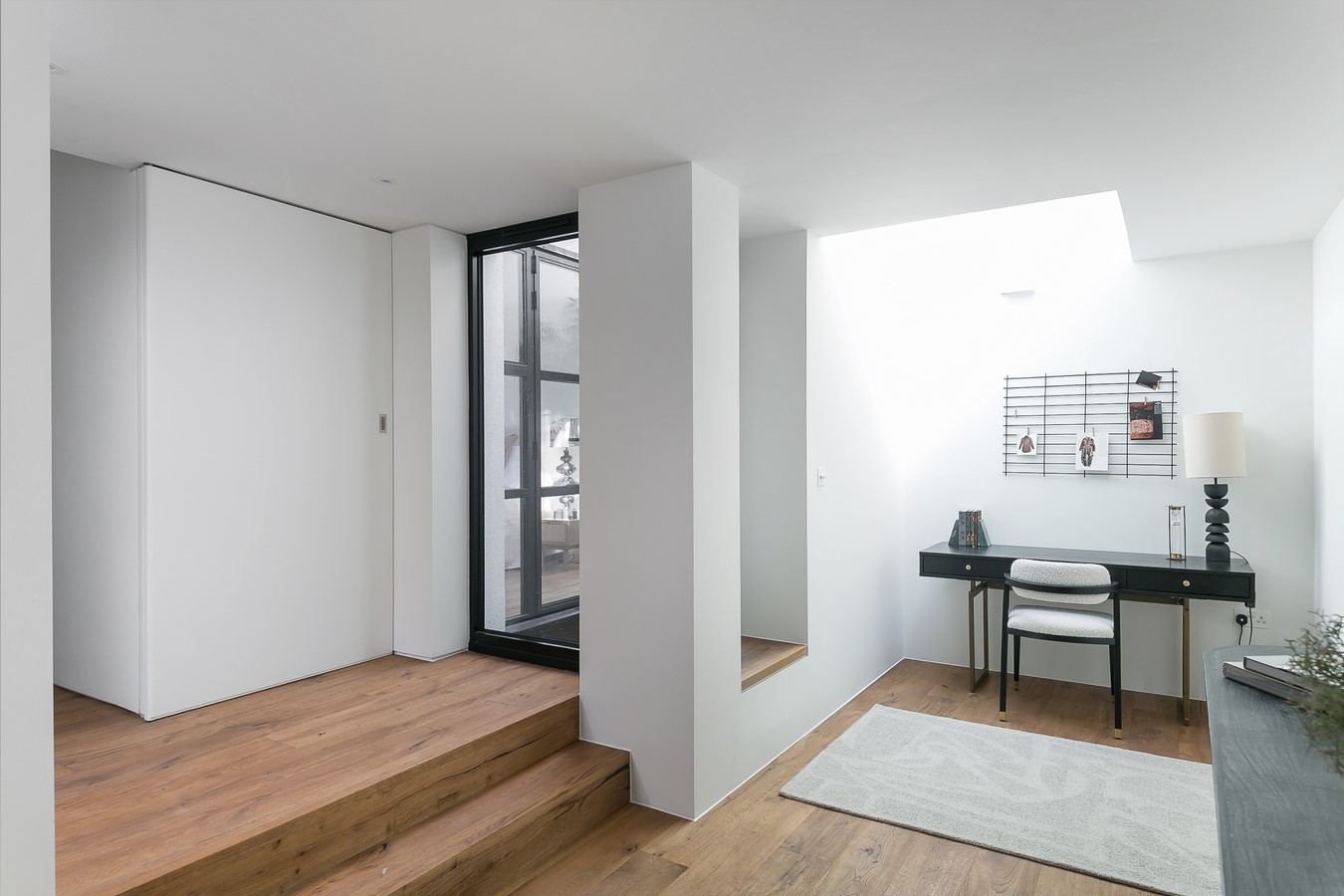
The basement study area is top-lit by pedestrian-loaded glass in the front garden, and vertical glazing to the adjacent light-well. The opening in the dividing wall and its interaction with the level change recalls the entry sequence of Loos’s Moller House.
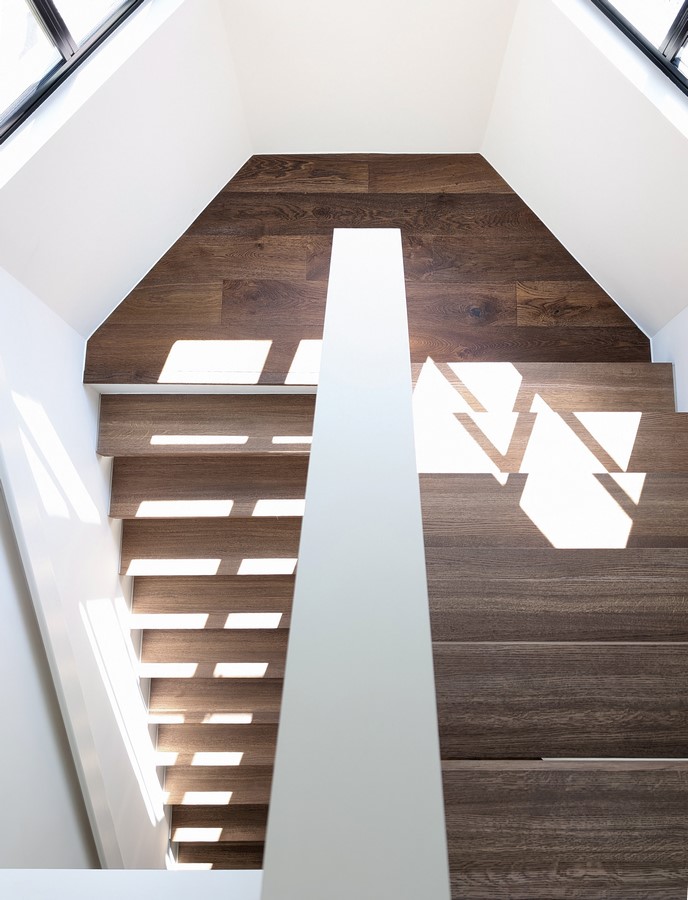
The basement living room receives abundant natural light from elongated lightwells to both the front garden and the side of the house, and from the central open-plan staircase and pedestrian-loaded glazing.