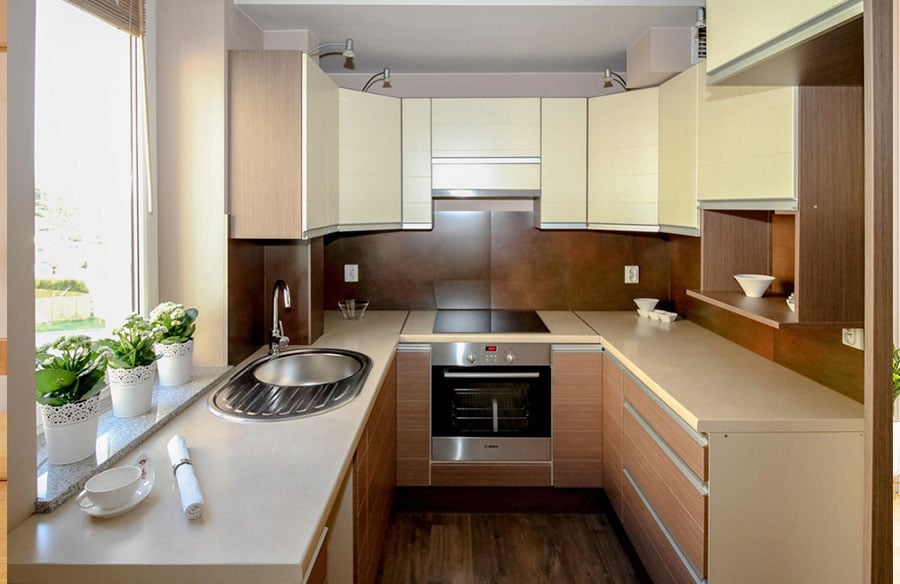
A small apartment doesn’t have to feel like permanent carry-on luggage. The problem usually isn’t the square footage; it’s that every surface is doing only one job. Once you shift into “space is a system” mode, storage stops being an afterthought and starts shaping how you live.
Build Up, Not Out
Most renters decorate at eye level and forget everything above the doorframe. That’s where you win back usable cubic meters. Think full-height bookshelves that wrap a doorway, narrow wall-mounted cabinets in the hallway, or a single ceiling-mounted rail for bikes instead of a floor rack. When vertical lines are consistent, the room reads as taller, not cluttered. That small shift can make a studio feel intentional instead of like overflow storage.
Big seasonal items are the real space killers. If your skis, winter clothes, or holiday decor eat half the closet, send them out. Some facilities offer budget friendly storage options that let you pay for only the space you actually need, turning your apartment into prime real estate for what you use every week.
Make Furniture Earn Its Keep
In a small footprint, furniture that doesn’t hide anything is basically a freeloader. Choose a bed with drawers, a storage ottoman instead of a coffee table, and a slim sideboard that doubles as a desk. Even a simple bench with a hinged seat can swallow shoes, dog gear, or cleaning supplies while giving you a place to sit.
The trick is to prioritize access. Daily-use items should sit between knee and shoulder height so you’re not constantly bending or climbing. Rarely used things can move higher or lower. When you’re planning layouts or renovations, treat hidden storage volumes like an extra room you’re carving out inside the furniture.
Zone Your Stuff Like a Floor Plan
Most apartments are cluttered because everything is “general storage.” Give each zone a job. Entry: keys, shoes, outerwear. Living room: media, books, hobbies. Bedroom: clothes and sleep items only. Once zones are clear, you’ll know where to add capacity—maybe a shallow cabinet by the door, or under-bed drawers to relieve an overloaded wardrobe.
Think in containers, not piles. Matching bins in a closet or under a bench make the space feel designed, even if they’re just holding random life admin. Label them in plain language you’ll actually use: “Work gear,” “Travel,” “Winter,” not vague categories that you’ll forget.
Design for Your Future Self
The best storage system is the one you’ll keep using when you’re tired. Hooks instead of hangers near the door, a visible laundry basket, a clear “dump zone” for mail—these tiny design choices stop clutter at the source. If a setup feels slightly too easy, you’re doing it right.
One clean rule should guide every decision: your apartment should store what supports the life you have, not everything you’ve ever owned. When the space feels light but nothing important is missing, you’ve nailed it.