Designing homes for people with disabilities goes beyond meeting minimum access codes. It’s about dignity, independence, safety, and the flow of daily life. In the context of Australia’s NDIS, where in-home care has been transformed, architecture plays a quiet but crucial role in how support is both provided and received. Thoughtful design in NDIS properties allow individuals to move freely, maintain their privacy, and receive help without feeling institutionalized.
An accessible home benefits both residents and caregivers. When layouts anticipate real routines—morning care, therapy visits, socializing, and rest—support feels natural rather than forced. Architecture becomes a partner in care, influencing outcomes long after construction is complete.
Why Architecture Matters in Disability Support in Australia
In practical terms, architecture directly influences how in-home support is delivered under the NDIS. Homes designed with care practices in mind reduce workarounds and protect both residents and carers. These spaces are built for real-life use, allowing support teams to focus on people rather than obstacles.
This is where collaboration between designers and care providers becomes essential. Services like TQN Care which specialises in NDIS home support service and accessible living environments, demonstrate how thoughtful architecture can complement practical care delivery. In Australia, homes that are designed well don’t just support independence—they also enable professional, compassionate care.
Kitchens That Empowers People with Disability, Not Paternalise
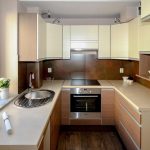
The central focus of independent living is kitchen accessibility. Kitchens should encourage participation, rather than reinforcing dependence on carers. Movable benchtops, convenient storage, and open floor space allow residents to cook, make drinks, or simply be present during meal preparation. This level of involvement supports psychological wellbeing and quality of life.
Kitchens should also be practical for support. Good sightlines, washable surfaces, and a logical appliance layout help carers assist residents without crowding them. When a kitchen is designed to be user-friendly, it becomes a social hub—not just a functional workspace.
Bedrooms as Sacred Space
A bedroom is not supposed to be a medical office. Bedrooms should be accessible, with the use of hoists or mobility equipment, but they also need to maintain a personal and relaxing atmosphere. There should be sufficient space surrounding the bed to allow safe transfers, which minimizes the chance of injuries to residents as well as support workers.
Designers should ensure that storage, lighting, and acoustics are taken into consideration to facilitate rest and privacy. When carers can do their work without having to rearrange furniture or encroach on personal space, the resident still feels that their room belongs to them. This balance is necessary for the dignity of supported living.
Supporting Sensory Needs Through Design For People with Disability
Lighting may seem minor, but it’s a critical part of accessible design. Even, glare-free lighting supports residents with low vision or sensory sensitivities, and helps carers work safely at all times. Layered lighting—task, ambient, and optional feature lighting—allows the space to adapt to different activities and times of day.
Thermal comfort and sound control also matter. Homes that maintain stable indoor temperatures and reduce noise transfer can lower stress for residents and create a calmer working environment for support staff. These details are often overlooked, but they directly influence the quality of in-home support.
Accessible Outdoor Areas
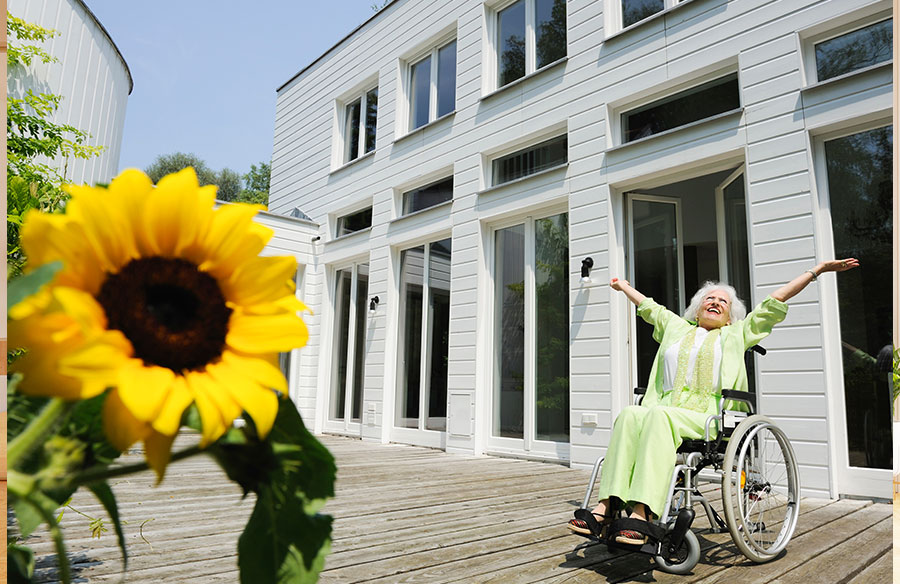
Outdoor access helps with both physical and emotional health. Level thresholds, clear pathways, and covered walkways enable residents to enjoy gardens or courtyards independently. For support workers, these areas provide space to carry out therapy sessions, relax, or socialize without logistical constraints.
Verandas and entryways should be easy to navigate when coming and going. Ambulance access, proximity to parking, and covered entrances make a real difference during daily visits and emergencies. Good design makes these moments safer and less stressful.
Building in Flexibility for the Future
Disability support needs often evolve. A flexible home can adapt without requiring major renovations. Reinforced walls, flexible spaces, and adjustable fixtures allow for changes as mobility, health, or support needs shift over time.
Future-proofing benefits everyone. Residents avoid disruptive moves, and support providers can continue delivering effective care.
Collaboration Between Designers, Families and Support Teams
The most functional homes come from collaboration. Occupational therapists, support workers, families, and architects each bring valuable insights. Organisations like TQN Care work alongside design teams to ensure that homes meet both care requirements and residents’ lifestyle needs. When these perspectives are incorporated into the design process, the result is a home that works well in real life, not just on paper. This collaborative approach is becoming essential in Australia’s disability sector.
FAQs
What does it mean for a home to be truly accessible—not just compliant?
A truly accessible home goes beyond minimum standards to support real everyday life. It allows residents to move freely and enables carers to provide help without unnecessary complications.
Why are accessible bathrooms so important in disability care?
Accessible bathrooms provide the space, privacy, and flexibility needed for personal care. When residents can participate safely and carers can assist without strain, daily routines feel respectful rather than clinical.
Why does circulation space matter for support workers?
Good circulation space reduces physical strain and injury risk for carers. Wide, clear pathways make transfers and equipment movement safer and easier.
Can a home be accessible and still feel like home?
Absolutely. Accessible homes can be warm and personal. When designers focus on lighting, materials, and personalization, accessibility features blend naturally into daily life rather than standing out.
How does accessible housing support long-term independence?
Flexible housing adapts to changing needs without requiring residents to move. This stability allows people to age in place and maintain their independence over time.
Conclusion
Creating dignified disability support homes means recognizing architecture as an active part of care. Intuitive layouts, well-designed bathrooms, smooth circulation, and adaptable spaces shape the quality of support every day. When homes are designed around real human needs, they empower residents, protect carers, and transform in-home support into something respectful and sustainable—a vital part of life in Australia.