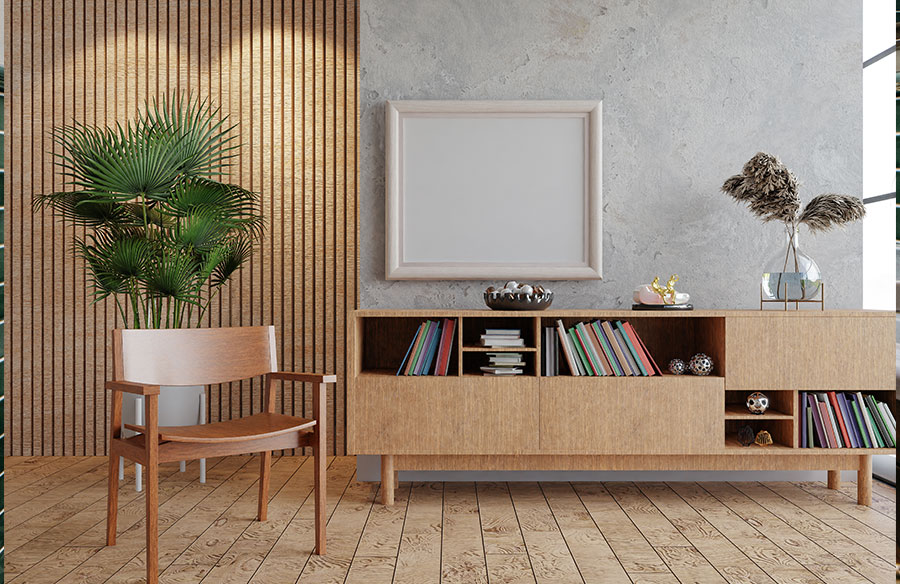
Home décor is changing as more people look for ways to live responsibly while still enjoying comfortable, well-designed spaces. As awareness of environmental impact grows and consumers are happy to spend an average of 9.7% more on goods that are sustainably produced, interest has shifted toward materials that last longer, come from responsible sources, and improve indoor conditions.
Practical Steps for Homeowners
Homeowners are encouraged to start their decorating process by confirming trusted certifications covering wood, textiles, and finishes. This ensures that the materials you’re buying are responsibly sourced and safe for indoor environments. It’s also a good time to review your coverage and compare home insurance quotes, especially if you’re investing in higher-value sustainable materials that you want properly protected.
Additionally, it’s important to ask suppliers about their sourcing practices, ingredient finishes, and the product’s lifespan. These details reveal the environmental impact and long-term durability of the items in your luxury home.
Focusing on materials from local or regional areas is crucial as well. This practice reduces transportation emissions, supports more ethical production, and contributes significantly to a more sustainable approach to design.
Rethinking Material Choices for Everyday Living
The materials used in your home influence more than just their appearance. They affect indoor air quality, long-term durability, and the number of resources that will eventually be needed to replace them.
Many homeowners are now choosing furniture made from certified wood, natural fibers, or reclaimed elements. These materials offer both environmental advantages and a sense of character that works well in modern or traditional spaces.
Certified wood is still one of the most reliable options. The certification systems help ensure forests are being managed responsibly. Furniture made from this type of wood brings natural warmth and a wonderful texture to your space while supporting healthier forestry practices.
When selecting materials for high-use areas, consider popular renewable materials like bamboo and cork. Their rapid regrowth, durability, and natural resilience make them ideal for flooring and seating, and they are frequently used on surfaces in eco-friendly interiors.
Choosing Finishes That Improve Longevity
Finishes play a major role in how long your furniture lasts.
Strong coatings protect against the more common causes of damage, like scratching, moisture, and sunlight. Water-based coatings and plant- or mineral-based sealants offer solid protection without the strong fumes associated with older-fashioned formulas. These finishes help furniture stay in good condition for longer, reducing the need for frequent repairs or replacements. This supports a more circular approach to living, where products are kept in use rather than thrown away.
Textile finishes and upholstery materials also matter. Fabrics made from recycled fibers and certified natural materials offer us interior choices with a lower environmental impact. When paired with a good-quality fill, such as natural latex or durable foam alternatives, they make for long-lasting seating that retains its shape over time.
Standard paint often contains chemicals that are harmful to the environment and your health. This list includes heavy metals such as cadmium, chromium, lead, and mercury, which can damage your nervous system, lungs, kidneys, and brain, as well as biocides and preservatives such as isothiazolinones and formaldehyde, which can trigger asthma and allergies.
Avoid these risks by choosing eco-friendly water-based paint free of volatile organic compounds. You can use beeswax and almond, coconut, jojoba, and olive oil to nourish your wooden furniture as it polishes them. These actually moisturize wooden interior pieces, restore their luster, and protect them against cracking and drying.
Incorporating Reclaimed and Recycled Elements
Reclaimed and recycled materials help you make use of resources that would otherwise have been discarded. Research on sustainable design reveals that choosing these materials reduces waste, limits new extraction, and results in unique-looking items.
Reclaimed wood is one of the most sought-after options. It usually comes from barns, factories, and older homes, bringing with it a rich patina and a range of natural variations that will add depth to your interiors. Because reclaimed wood has already aged and dried over many years, it is usually very stable and resistant to warping. It’s a great option for shelves, tables, cabinets, and decorative features.
Recycled metal is another practical choice. It’s strong enough to use for frames, shelving, and lighting.
Composite materials made from recycled content also offer dependable performance. Blends of reclaimed fibers or post-consumer plastics can be shaped into boards or panels that are moisture-resistant and stable, making them useful for storage, surfaces, and accent furniture.
Creating Timeless Interiors Through Responsible Choices
Sustainable materials age well. Wood will deepen in color, cork will remain comfortable underfoot, and natural textiles will soften, adding character. These changes make for interiors that feel calm and settled rather than frantically driven by short-term trends. They also form a strong foundation for homes designed to last.
By combining renewable resources, certified materials, durable finishes, and sustainable design, you can create interior spaces that support long-term comfort and responsible living. This careful approach balances environmental needs with everyday practicality, offering a style that truly stands the test of time.