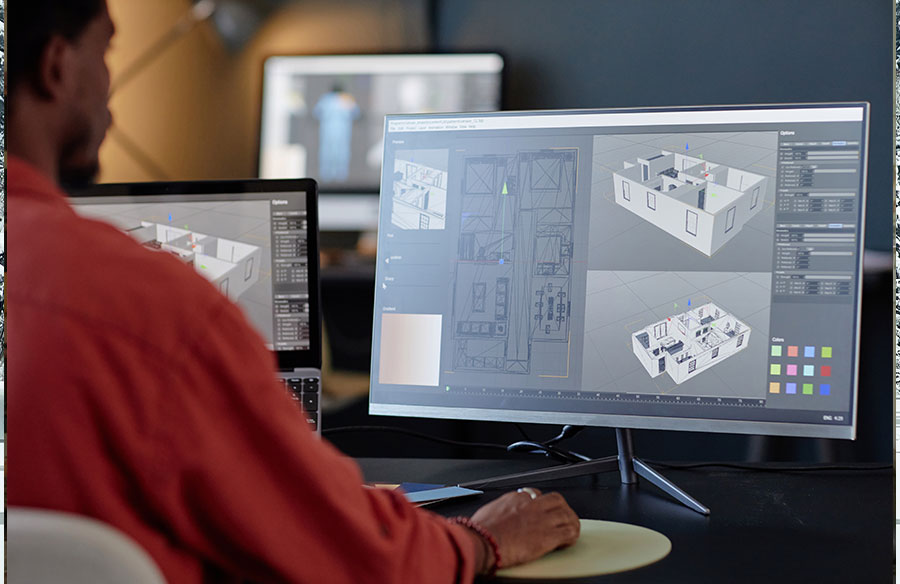
Architecture and visualization platforms have entered a new era shaped by artificial intelligence and digital transformation. Whether architects are using real-time rendering environments, cloud-based collaboration tools, or complex simulation software, reliability is now one of the most important factors in productive design workflows. A single software failure can disrupt coordination, slow project timelines, damage visual outputs, or reduce team efficiency. AI-powered testing has emerged as a critical solution for ensuring that architecture platforms remain stable, precise, and capable of supporting demanding creative and technical work.
AI-driven tools are becoming widespread in architectural design. Firms rely on them for visualizations, automated modeling, digital twins, and environmental simulations. These platforms often integrate multiple data streams and require constant validation. For this reason, testing must evolve as quickly as the tools themselves. Traditional manual testing methods struggle to keep up with the speed and complexity of modern architecture software. AI-powered testing offers the ability to detect issues earlier, improve performance accuracy, and ensure a consistent user experience from concept stage to final presentation.
The Growing Need for Reliability in Architecture Software
Architectural software has moved far beyond drafting and simple rendering. Today’s platforms include generative design engines, cloud-based computation, and real-time ray tracing. These systems need to deliver accurate outputs while maintaining responsiveness. Any performance issue can affect a designer’s ability to make informed decisions.
Architects expect their digital tools to function without interruptions. When platforms freeze, crash, or generate inaccurate results, the consequences can be severe. Missed deadlines, rework, and flawed visual representations can all stem from unreliable software behavior. Reliable testing processes help ensure that architecture tools remain trustworthy and ready for use in professional environments.
AI-powered testing is specifically designed to meet these new reliability standards. It supports rapid updates, integrates easily with continuous development pipelines, and can evaluate performance under various conditions. This allows teams to maintain confidence in their digital platforms even as technology evolves.
How AI-Powered Testing Works Within Design Ecosystems
AI-powered testing uses machine learning to analyze software behavior, detect anomalies, and predict potential failures. It learns from patterns rather than relying on rigid scripts. This approach is especially helpful for architecture tools that feature dynamic user interactions or visually driven interfaces.
Some of the core functions include:
- Intelligent test case generation
- Real-time issue detection
- Visual validation of rendering outputs
- Self-healing tests that adjust to UI updates
- Automated cross-platform compatibility checks
Architecture and visualization platforms often receive frequent feature updates. Traditional testing methods can break whenever the interface changes or when new visual features are added. AI-powered testing adapts automatically. It recognizes patterns in the interface, understands typical behavior, and adjusts tests without manual scripting. This leads to more stable results over time.
AI testing also provides deep insights into performance issues. It can evaluate how rendering loads impact hardware, detect slowdowns caused by large texture files, or identify visual glitches that might be missed by human testers.
Improving Accuracy With Visual Testing Capabilities
One of the biggest challenges in architectural visualization is ensuring that visual outputs remain consistent. Rendered scenes, animations, and environmental simulations all require high accuracy. AI-powered visual testing tools use image recognition to compare expected results with actual rendered outputs.
Visual testing can identify problems such as:
- Lighting irregularities
- Material inconsistencies
- Missing geometry
- Incorrect textures
- Unexpected shadows or reflections
These issues are often subtle and difficult to detect through manual testing alone. AI systems evaluate thousands of visual elements and highlight differences that could signal a rendering bug or performance defect.
For architecture firms that rely on high-quality presentations, this level of precision is essential.
Enhancing Performance Through Automated Load and Stress Testing
Architecture and visualization software must handle complex models and heavy workloads. Large scenes, detailed textures, and real-time simulations place significant demands on hardware and software systems. AI-powered testing tools can simulate these conditions and evaluate how well the platform performs under stress.
Automated performance tests can determine:
- How many objects does the platform support before slowing down
- Whether frame rates remain stable
- If cloud-based tools maintain connectivity during peak usage
- How rendering engines respond to large texture sizes
This information helps development teams optimize performance before releasing updates to users. It also gives architecture firms confidence that their tools will operate smoothly when working on demanding projects.
Supporting Continuous Integration in Architecture Software Development
Modern architecture tools are updated constantly, especially those hosted on cloud platforms. Continuous integration pipelines require fast and reliable testing cycles that align with rapid development. AI-powered testing tools integrate seamlessly with these workflows.
Benefits include:
- Faster detection of bugs during development
- Immediate feedback for developers
- Automated regression testing
- Reduced need for repetitive manual testing
Teams can release updates more confidently, knowing that the software has been evaluated across multiple scenarios.
Why AI-Powered Testing Matters for Visualization Platforms
Visualization platforms rely heavily on stability and precision. Real-time rendering tools, VR experiences, and parametric modeling engines all require accurate and responsive performance. Any glitch can disrupt client presentations or lead to flawed design evaluations.
AI-powered testing helps maintain stability in areas such as:
- User interaction flow
- Animation playback
- Camera and view manipulation
- Shader performance
- Material rendering accuracy
As visualization tools grow more advanced, the importance of intelligent testing continues to rise.
Choosing the Right Automated Testing Tools
Selecting the right automated testing solution is essential for architecture firms, software developers, and visualization specialists. Tools vary in their capabilities, ease of integration, and AI sophistication. Many teams look for platforms with strong visual testing features, fast execution speed, and self-healing test functionality.
When evaluating testing tools, professionals rely on real-world feedback and industry insights. With so many options available, including testRigor, Testim, and BrowserStack, choosing the right tool isn’t always simple. That’s why many people turn to third-party review sites. For example, a page dedicated to Testim reviews can be especially useful, because testing platform websites highlight only their strengths, while independent platforms give a more balanced perspective.
Using trusted review sources allows teams to make informed decisions and choose tools that support long-term digital stability.
How AI Testing Improves User Experience for Architects
User experience is at the heart of architecture and visualization software. Designers interact with tools for extended periods, often switching between modeling, rendering, and documentation tasks. Software reliability directly affects creativity and productivity.
AI-powered testing improves user experience by ensuring that platforms:
- Launch quickly and consistently
- Respond smoothly to user input
- Maintain stable rendering performance
- Avoid visual bugs or interface glitches
- Deliver accurate outputs during complex simulations
These improvements lead to more efficient workflows and better creative outcomes.
Bringing AI-Powered Testing Into the Future of Architecture
The future of architecture will depend on intelligent technologies that can support design automation, data-driven decision making, and realistic visual simulations. AI-powered testing is an essential part of this digital foundation. It ensures that architecture platforms remain dependable even as they integrate complex new features.
Firms that invest in AI testing will gain a competitive advantage through improved efficiency, higher quality outputs, and stronger digital resilience. As AI continues to transform architectural workflows, reliable testing will be more important than ever.
AI-powered testing is not only a technological improvement. It represents a shift in how architecture professionals think about reliability, performance, and digital design excellence.