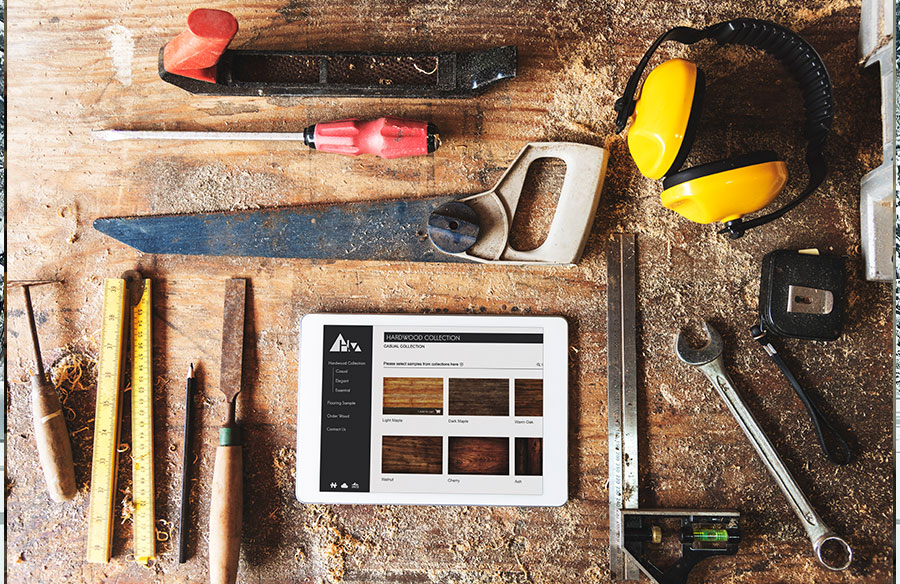
The construction industry, once governed by clipboards, site walk-throughs, and daily briefings, has entered a new era. Today’s projects move faster, teams are spread across multiple sites, and communication must happen instantly to prevent delays and costly mistakes. What used to be a predictable, linear workflow has transformed into a dynamic, data-driven environment where multiple subcontractors, suppliers, engineers, and project managers must stay aligned at all times.
Modern construction sites now operate like mini ecosystems—filled with digital drawings, real-time reporting, safety checks, material tracking, and constant coordination between office and field. And as buildings become more complex and the demand for accuracy grows, organizations face one crucial challenge: how to stay coordinated, productive, and efficient in an environment where every minute matters.
From last-minute design revisions to weather-related risks and equipment scheduling conflicts, construction projects can shift direction in seconds. Without the right digital tools, teams get bogged down by miscommunication, outdated documents, and fragmented workflows. In an industry where timing directly affects cost, quality, and safety, the push for smarter, faster, and more connected work processes has never been more urgent.
Why Traditional Construction Tools Fall Short
Printed blueprints, long email threads, and scattered spreadsheets can’t keep up with the speed and complexity of modern construction workflows. These traditional tools were effective when projects were smaller, timelines were longer, and communication cycles were predictable. But today, they create more problems than they solve. Outdated methods often lead to:
- Miscommunication between field and office, especially when crews work from different versions of the same plan
- Delayed decisions, caused by slow information transfer and unclear approval chains
- Lost documents or outdated plans, which increase the risk of costly rework
- Unclear responsibilities between subcontractors, making coordination harder and accountability weaker
- Safety risks due to lack of real-time information, leaving teams unaware of hazards, changes, or urgent updates
In fast-moving environments, even small gaps in information can snowball into major issues. When teams spend more time searching for updated drawings, chasing signatures, or decoding confusing email threads than actually building, productivity declines—and so does project quality.
This is why construction companies are rapidly shifting toward integrated digital platforms that centralize communication, tasks, documents, and inspections in one place. These tools eliminate silos, reduce manual work, and ensure every team member—whether in the trailer, at headquarters, or on the job site—has access to accurate, real-time information. The result is a smoother, safer, and far more efficient construction workflow.
The Rise of Modern Construction Management Platforms
Modern construction work platforms have become the backbone of efficient project delivery. These digital tools unite communication, project planning, field reporting, document control, safety management, and real-time analytics in one streamlined system.
Far beyond simple task apps, today’s platforms act as strategic engines, helping project managers monitor progress, track changes, and maintain site accountability. With cloud accessibility and real-time syncing, everyone—from architects to onsite engineers—stays aligned, regardless of location.
This shift is especially essential as hybrid and remote supervision become normal. Even if teams are not physically in the same place, construction workflows must remain seamless. Modern platforms ensure:
- Faster approvals
- Real-time updates on changes
- Fewer reworks
- Instant access to plans and checklists
- Better communication between field and office
In a high-stakes environment where delays cost money, these tools help projects move faster, safer, and with greater transparency.
Why User Experience Matters More Than Ever
Today’s construction professionals expect digital tools that are simple, intuitive, and genuinely useful—not systems that feel like extra work. With tight schedules and constant pressure on the job site, teams don’t have time for platforms that are confusing, cluttered, or require weeks of training. Tools that are visually clear, easy to navigate, and designed with real field workflows in mind see far better adoption. They help crews get up to speed quickly, reduce errors, and make technology feel like a natural extension of the work, not an obstacle.
When communication is smooth, documentation is centralized, and information flows in real time, teams can spend less energy searching for data or double-checking outdated files. Instead, they can stay focused on meaningful work: coordinating tasks, solving problems, and keeping the project on track. The right platforms don’t just improve efficiency—they boost morale, reduce frustration, and support a more connected, accountable jobsite culture.
Platforms Worth Considering
UltaHost
UltaHost provides businesses with fast, secure, and scalable hosting solutions that support the digital workflows modern teams rely on. Whether a company needs to host internal project dashboards, client portals, or cloud-based collaboration tools, UltaHost delivers the stability and performance required to keep everything running seamlessly.
With robust infrastructure, NVMe SSD storage, and a 99.99% uptime guarantee, UltaHost ensures that teams can access critical information and digital tools without interruption. Its powerful processing capabilities make it an ideal choice for organizations that depend on web-based platforms for daily operations. For companies seeking more control, their VPS hosting options offer dedicated resources, enhanced security, and the flexibility to customize server environments to specific project needs.
UltaHost’s managed VPS hosting solutions further simplify IT management by offering automatic updates, security monitoring, and expert technical support, allowing businesses to focus on productivity rather than server maintenance.
Key Benefits:
- Fast and secure hosting for websites, dashboards, and online project tools
- NVMe SSD storage and high-performance servers
- 99.99% uptime guarantee for continuous access
- Advanced security features and automated backups
- Scalable VPS hosting plans for growing digital demands
Best Suited For:
Construction companies, project teams, and businesses that require reliable, high-performance hosting for online tools, collaboration platforms, and data-driven applications.
CPQ-Integrations
CPQ-Integrations helps companies streamline the complex process of configuring, pricing, and quoting (CPQ) products and services—an essential function for industries with multi-step approval chains, customized offerings, or detailed project specifications. For construction businesses, where bids, materials, and service packages often require precise calculations and fast turnaround, this platform provides a significant competitive advantage.
With CPQ-Integrations, teams can automate quote generation, reduce manual errors, and ensure pricing consistency across sales, project management, and procurement. The platform also connects seamlessly with major CRMs and ERP systems, enabling departments to work from the same real-time data. This reduces delays, improves transparency, and keeps both internal teams and clients aligned from the very first proposal.
By digitizing the entire CPQ process, businesses can respond faster to inquiries, deliver more accurate estimates, and minimize costly revisions—all while improving client experience and operational efficiency.
Key Benefits:
- Automates configuration, pricing, and quoting for complex projects
- Ensures accuracy and consistency across all bids and estimates
- Integrates easily with CRM and ERP systems
- Reduces manual workload and prevents pricing errors
- Speeds up response time for clients and partners
Best Suited For:
Construction firms, engineering companies, and businesses that manage complex, customizable services or materials and need fast, accurate, and fully integrated quoting workflows.
Timegram
Timegram is a powerful time-tracking and productivity platform designed to help teams monitor how work actually gets done—an essential capability in construction environments where accurate labor reporting, project time allocation, and productivity analysis can make or break deadlines and budgets. By capturing time automatically and transparently across devices, Timegram enables construction professionals to turn raw activity data into actionable insights without burdening workers with manual entry.
With real-time tracking, project owners and managers can see how time is being spent on tasks, identify bottlenecks, and allocate resources more effectively. Timegram’s intuitive dashboards provide clear visual summaries of productivity trends, helping teams optimize schedules, measure performance outcomes, and refine planning for future projects. The platform also supports reporting for payroll, client billing, and internal performance reviews—making it a versatile tool for organizations aiming to reduce inefficiencies and boost accountability.
Key Benefits:
- Automatic, accurate time tracking across teams and tasks
- Visual dashboards that highlight productivity trends
- Insights that help optimize resource allocation and scheduling
- Detailed reporting for billing, payroll, and performance
- User-friendly interface that minimizes training time
Best Suited For:
Construction managers, site supervisors, and project teams that need reliable time tracking and productivity analytics to manage labor costs, boost efficiency, and maintain accountability across multiple job sites.
Civalgo
Civalgo is a digital platform designed to enhance construction planning, simulation, and operational efficiency. By combining data modeling, real-time analysis, and decision-support tools, Civalgo helps teams anticipate challenges before they occur—transforming traditional project planning into a dynamic, insight-driven process.
In complex construction environments where delays and cost overruns are common, Civalgo’s platform provides clarity and control. It allows project managers and stakeholders to visualize schedules, simulate different scenarios, and optimize workflows based on real-time performance data. This means teams spend less time reacting to problems and more time preventing them.
Civalgo’s solutions also support collaboration across departments, making it easier to align field crews, office staff, and external partners around shared goals and performance metrics. With intuitive visual dashboards and advanced analytics, organizations can measure productivity, forecast risks, and adapt quickly — all while keeping projects on schedule and under budget.
Key Benefits:
- Advanced planning and simulation tools for complex projects
- Real-time performance analytics to drive smarter decisions
- Visual dashboards that improve transparency and alignment
- Scenario modeling to reduce risk and optimize workflows
- Supports collaboration across teams and departments
Best Suited For:
Construction companies, project planners, and engineering firms that need to optimize planning, anticipate challenges, and enhance decision-making across large or multifaceted projects.
Conclusion
Modern construction management platforms are more than software—they’re the core of a smarter, safer, and more efficient industry. By uniting communication, documentation, scheduling, and analytics, they help projects run with clarity and precision.
In a world where every delay affects budget and delivery, these tools enable companies to work faster, adapt quicker, and maintain the highest standards of quality. The future of construction belongs to organizations that embrace technology, transparency, and connected workflows—and these platforms are paving the way.