Commercial buildings benefit greatly from thoughtful upgrades that shape the way people experience the property. Strategic improvements influence safety, comfort, energy performance, and visual appeal. Owners who plan enhancements with a clear purpose often see stronger tenant satisfaction and a higher overall value.
The right changes also help a building operate more efficiently, which supports long-term performance. This article explores several impactful upgrades that strengthen both the function and the appearance of commercial spaces. Each of the following improvements contributes to a property that feels more polished, practical, and competitive in today’s market.
Exterior Enhancements That Strengthen First Impressions
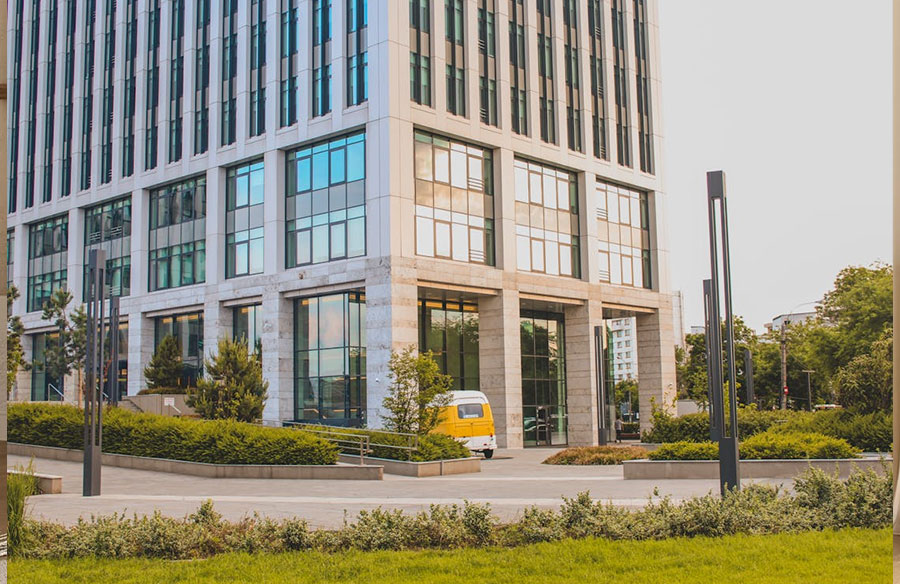
A visitor’s perception of a commercial building forms the moment the property comes into view. A refreshed exterior signals professionalism and attention to detail. Clean façades, updated cladding, and fresh paint create a sense of care that reflects well on the businesses inside. Modern signage with clear visibility also influences how easily tenants and guests navigate the area.
Walkways and entry points deserve equal attention. Well-maintained surfaces, smooth paving, and unobstructed paths encourage safe, comfortable movement around the property. Exterior seating, decorative elements, and seasonal touches can also contribute to a pleasant experience.
Landscape Improvements That Create a Welcoming Environment
Landscaping plays a vital role in shaping the way people experience a commercial property before they even step inside. Outdoor areas help guide the transition into a building, adding character and creating a calming atmosphere. Trees, plants, and well-arranged greenery soften hard architectural lines and bring natural balance, while thoughtfully placed lighting highlights key features and supports safe movement after dark.
- When these elements are planned with intention, the landscape develops a sense of structure and flow between the exterior and interior. Consistent maintenance, carefully chosen plantings, and inviting small gathering areas all contribute to a strong first impression. With the right approach, well-executed commercial landscaping can elevate a building’s appearance, make the property feel more welcoming, and significantly boost its overall value.
Lighting Upgrades That Enhance Safety and Visibility
Lighting influences both function and experience throughout a commercial building. LED fixtures offer bright, consistent illumination that supports visibility in hallways, parking areas, and common spaces. Longer lifespans and lower energy use make LEDs a reliable option for owners working toward better efficiency.
Smart controls add another layer of convenience. Automated adjustments based on occupancy or natural light levels help conserve energy without compromising comfort. Well-planned lighting improves safety, reduces shadows in outdoor spaces, and helps tenants feel secure as they move through the property.
Security Improvements That Promote Peace of Mind
Security systems play an essential role in creating a trustworthy environment for tenants, employees, and visitors. Modern solutions such as high-resolution cameras, controlled entry points, and motion sensors provide meaningful support for daily operations. Clear sightlines around entrances and parking areas strengthen a sense of safety and help deter unwanted activity.
A reliable security setup also helps businesses operate with confidence. Tenants appreciate buildings where protective measures feel integrated rather than intrusive. Combined with well-lit surroundings, these upgrades contribute to smoother traffic flow and a more organised environment.
Energy-Efficient Systems That Reduce Operating Costs
Energy performance influences both operating expenses and overall building comfort. High-efficiency HVAC systems deliver stable temperatures with less strain on equipment. Improved insulation and draft control help maintain consistent conditions throughout the year. Automated building controls can adjust indoor climates with precision, creating balanced environments for tenants.
Regular energy assessments also reveal areas where systems can be fine-tuned. Small adjustments often produce noticeable savings over time. A building that operates with better energy awareness supports long-term cost management and aligns with modern expectations for sustainable performance.
Accessibility Improvements That Support All Occupants
Accessibility upgrades strengthen a building’s ability to serve everyone who enters. Clear signage, wider doorways, and smooth transitions across different surfaces help people move comfortably throughout the space. Ramps and compliant handrails offer reliable support for individuals who need it.
Elevator enhancements also play a meaningful role. Updated controls, audible indicators, and accessible panel heights help create a more comfortable experience for all users. Restrooms with appropriate spacing and fixtures complete the picture of an inclusive environment. These improvements show a commitment to thoughtful design and create a space that welcomes a wider range of occupants.
Commercial buildings gain long-lasting advantages when owners invest in improvements that support appearance, function, and efficiency. Each upgrade contributes to a property that feels more reliable, comfortable, and visually appealing. Strong first impressions, secure surroundings, and modernised systems help tenants focus on their work with confidence. These changes also strengthen long-term value by reducing maintenance issues and improving the overall experience.
Thoughtful planning ensures that every improvement aligns with the building’s goals and the needs of the people who use it. When owners take a strategic approach, each upgrade becomes part of a stronger, more resilient property that stands out in a competitive market.