London has gone through a lot of twists and turns with a tapestry of stories that have shaped the capital into what we see and remember today. The rhythm of streets, the singing traffic, the admirable architecture and its continuous adaptability to the weather make London simply breathtaking.
Just go on a simple walk, and you will notice a unique pattern, building facade and numerous hidden alleys, all holding their secrets sealed into the social change and technological shifts. Every year, London invites thousands of students to explore and uncover the city by travelling on foot or by private transport like hiring a minibus in London. As many architects describe, travelling the city always uncovers the stories that have been written for centuries, but hidden from all the chaos that London has become today.
Let’s have a look at how all the architects read these stories through the local architecture and street pattern.
The Urban Design Of London
Although London was not the economic starting point for England for many years, it indeed became a hotspot from the late Anglo-Saxon period. It all started with the street design, which is one of the main aspects every architect looks for. Just like the weather, the street design of London is mostly discrete and intersects unpredictably.
At the same time, London was built on layers. If you pay attention, all the modern streets of London have Roman roads beneath them that lay the strong foundations for what we see in the rising glass towers. These historical patterns share a great deal of insight into the local architecture and grids that echo the ancient layouts.
It is worth mentioning that many of the irregularities in the streets are because of the Great Fire of 1666, which forced rebuilding in most parts of London. Walking and noticing these neat little details allow architects to pay attention to the contemporary interventions and centuries-old patterns that are creating a mutual harmony of dialogue between past and present.
Reading Social History Through Streets
We often ignore the streets around us, but they are a major component of the fundamental architecture that plays an important role in our lives. Streets shape how people live, interact, and even support the urban life that happens with each heartbeat. Streets are a prime medium of pumping life around the city of London.
That is why architects just can not ignore it but to read the social phenomenon happening in these Victorian streets. In history, the narrow lanes were mostly described as working-class communities, while the wide areas were part of better wealth and status. In the same way, today, architects read the scale and design of buildings and streets that house them to notice hints about the social history and the crucial importance of the architecture.
The Eye For Detail Of Architects
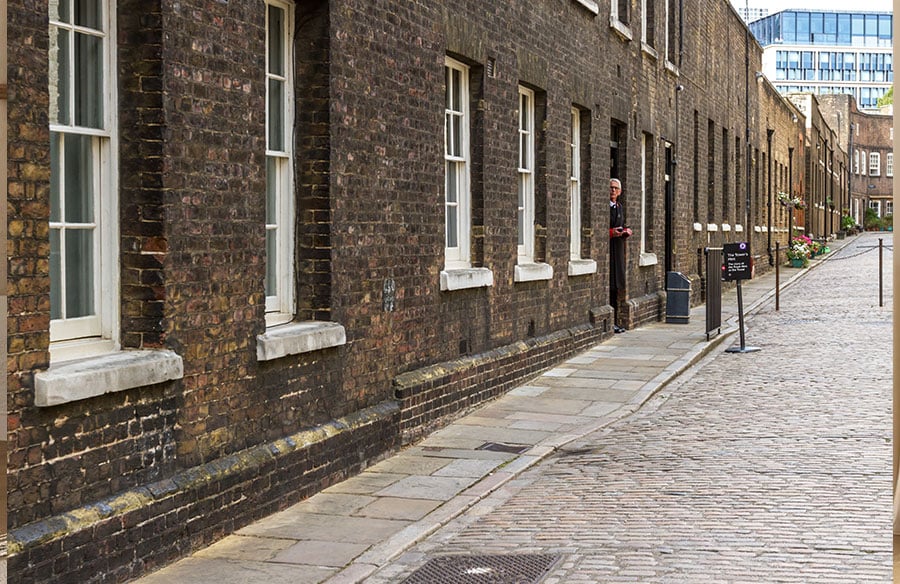
Not just the size, but architects have a strong eye for detail for the type of material used, the design, choice of brick or stone, cobblestone streets and even the curvature. Considering the new-classical and Gothic Revival era of London, the study of London’s architecture is very difficult and requires passion to really pay attention.
According to many architects, the small details like choice of lamp, its positioning, signage, paving stone and proper use of cast iron greatly matter. If an architect can read these cues, they can easily reconstruct the amazing and bustling city life.
Travelling Like An Architect
Travelling takes up a major part of noticing and reading the surrounding architecture. And that means a slow travel, not the one where you will have to rush through a list of destinations in London. The purpose of the trip is to bring curiosity to the mundane by looking up and being fascinated by the facades.
Most of the architects visit the walking paths like the River Thames, hidden alleys and famous areas like the Portobello Road Market to listen to the unique story every part of the capital has to tell. All of these aspects combine to give architects a God gifted ability to understand the rising urban influence, growth over time and the rich culture shaping the city over time.
How London Has Become A Living Archive For Architects?
As they say, always look up. London is raising the bar for building design, streets and categorisation of the surrounding regions. Thanks to the century-old urban preservation, London is a top contender in the study of architecture. Although many describe London street patterns as messy, it is still fascinating because of the history it reflects, which is clear to the eyes of architects.
You can follow the same by observing the street patterns from past to present, which will provide you with the architectural history carved into the stone, brick or cobblestone all across the capital.