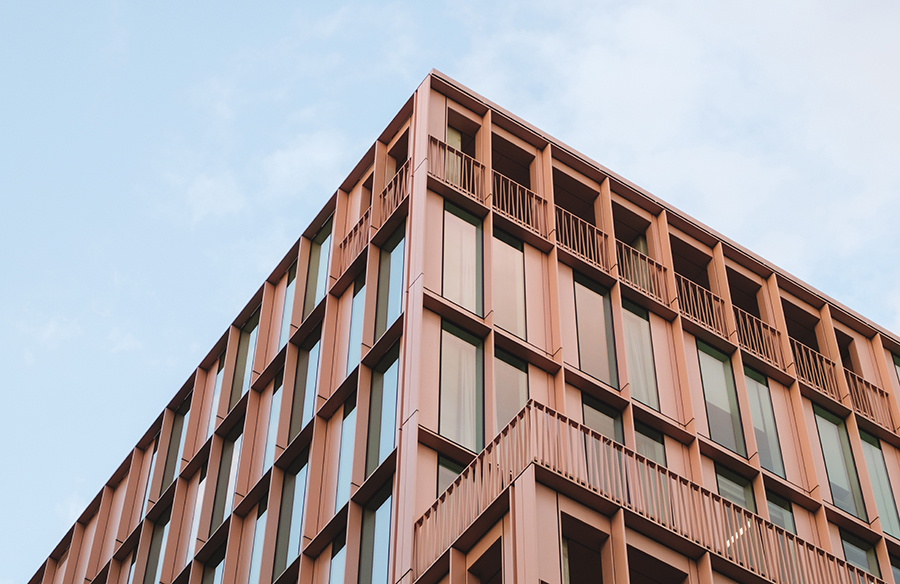
The Australian design ethos has always been deeply intertwined with the landscape, demanding a seamless flow between indoor luxury and outdoor resilience. For designers and home improvement specialists, the selection of materials is not merely an aesthetic choice; it is a critical investment in longevity, functionality, and value. In contemporary projects, the shift toward high-performance, weather-resistant materials is defining a new era of architecture and exterior decor. When curating a luxury outdoor space, a piece that unites form and function is essential; therefore, it’s a great time to buy a designer outdoor coffee table that exemplifies this perfect balance of aesthetics and endurance. This article examines the core materials that meet this challenging brief: teak, powder-coated aluminium, and specialised composites, tracing their indispensable role from structural elements to exquisite outdoor furnishings, and how they collectively shape the sophisticated Australian home.
 The Architects’ Imperative: Durability as Design
Modern architecture, particularly in a country subject to the harsh extremes of sun, salt, and rain, treats durability as a fundamental pillar of design, not an afterthought. The structural integrity and long-term aesthetic of a building rely on materials that can withstand UV radiation, extreme temperature fluctuations, and moisture without significant degradation. Architects are increasingly specifying finishes and components whose performance guarantees extend decades into the future. This commitment to longevity influences the whole design envelope, from cladding systems and window frames to decking and permanent outdoor fixtures.
The visual language of modern architecture often favours clean lines, minimalist forms, and honest expression of materials. A truly successful design ensures that this aesthetic remains untarnished by the elements. A material that warps, fades, or requires excessive maintenance compromises the architect’s original vision. This is why the principles guiding material selection for a building are now directly applied to the specification of designer outdoor furniture. The goal is a cohesive, enduring environment where the coffee table on the terrace is constructed with the same rigorous standard as the facade of the home itself. This symbiotic relationship between structure and furnishings creates a unified, sophisticated aesthetic, crucial for high-end Australian residential and commercial projects.
Teak: The Timeless Gold Standard
Few materials possess the inherent prestige and performance profile of teak (Tectona grandis). For centuries, its dense grain and exceptionally high concentration of natural oils and rubber have made it the material of choice for shipbuilding and, subsequently, the pinnacle of durable exterior design. These natural properties provide an intrinsic resistance to rot, decay, termites, and fungal growth, making it virtually impervious to the challenges posed by coastal or tropical Australian climates.
In modern architecture, teak is often reserved for feature elements, such as striking louvres, elegant decking, or bespoke window and door frames, providing a warm contrast to concrete or glass. When used in designer outdoor furniture, it offers a luxurious weight and stability that grounds an outdoor space. Initially, teak presents a rich, warm, golden-brown hue, but over time, if left untreated, it develops a distinguished silver-grey patina. This aesthetic transition is highly valued by designers, as it signifies the material’s authenticity and resilience, adding character without compromising structural integrity. Maintenance is minimal; a simple cleaning is often sufficient, reinforcing its status as a low-maintenance, high-impact choice. For the discerning client, teak is not just a material; it is a legacy piece that improves with age, offering an unparalleled blend of organic beauty and extreme endurance.
Powder-Coated Aluminium: The Modern Workhorse
While teak represents natural luxury, powder-coated aluminium embodies modern, industrial efficiency and versatility. Aluminium is celebrated for its lightweight nature and supreme resistance to corrosion, making it an ideal choice for the structural components of contemporary architecture, such as curtain walls, roofing, and sleek pergola frames. Crucially, aluminium does not rust, which is a significant advantage in high-humidity or coastal areas.
The application of a powder coating is what elevates aluminium from a simple metal to a design-friendly, high-performance material. This process involves applying a dry powder of pigment and resin, which is then cured under heat to create a durable, protective finish. This coating significantly enhances the metal’s resistance to chipping, scratching, fading, and UV damage. More importantly for interior designers, it unlocks an almost limitless palette of colours and finishes, from deep matte blacks and pristine whites to textured wood-grain effects.
In outdoor furnishings, powder-coated aluminium forms the skeleton of minimalist and contemporary designs. Its strength allows for thin, elegant profiles, providing the foundation for modular sofas, sleek dining sets, and versatile outdoor tables. Its lightness also offers practical benefits, allowing homeowners to easily reconfigure their outdoor living spaces. This combination of structural strength, rust-proof performance, and aesthetic flexibility makes it the go-to material for designers aiming for a clean, modern, and enduring outdoor environment that mirrors the architectural structure.
Specialized Composites: Innovation in Resilience
The third major category driving durable design is the realm of specialised composites and engineered materials. These are materials designed specifically to overcome the inherent limitations of natural products, offering unprecedented longevity and minimal upkeep. This segment includes high-performance resin wicker, specialised cement blends, fibreglass-reinforced concrete (FRC), and various synthetic woods and polymers.
In architecture, advanced composites are used for cladding, high-stress decking, and innovative shading devices. Their appeal lies in their predictable performance and uniformity. For outdoor furniture, especially large, monolithic pieces like built-in benches, planters, or unique outdoor coffee table tops, FRC has become incredibly popular. This material mimics the look and tactility of concrete but is significantly lighter and reinforced with fibres to prevent cracking, offering remarkable stability against the elements.
 Similarly, high-quality synthetic resins and composites replicate the look of natural rattan or wood without the risk of splintering, fading, or moisture absorption. These materials are virtually maintenance-free, requiring only occasional cleaning. Their manufacturing process also allows for complex geometries and textures that would be impossible with traditional wood or metal, offering designers new avenues for creativity. By selecting these innovative composites, Australian designers can promise clients beautiful, low-maintenance outdoor spaces that remain flawless season after season, further closing the functional gap between interior comfort and exterior endurance.
Bridging the Gap: Cohesive Indoor-Outdoor Living
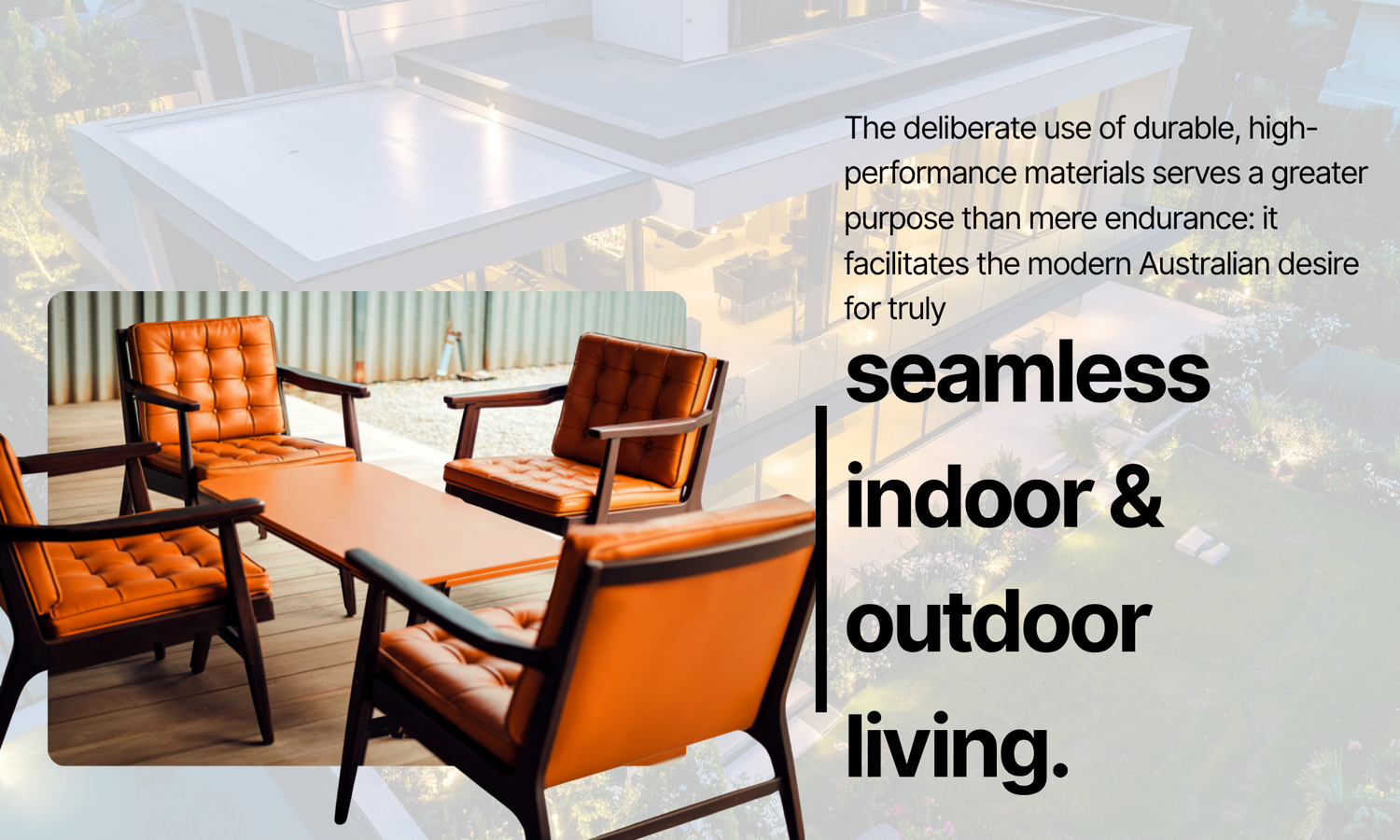
The deliberate use of durable, high-performance materials serves a greater purpose than mere endurance: it facilitates the modern Australian desire for truly seamless indoor-outdoor living. When materials like naturally aged teak, sleek powder-coated aluminium, and textured composites are employed consistently across a project, they forge a unified design language. This continuity blurs the boundary between the constructed home and its external environment, treating the garden or terrace as an extension of the primary living space.
For the Australian home improvement market, this approach adds immense value. It transforms a simple backyard into a sophisticated, year-round ‘outdoor room’ that complements the home’s architecture. Designers who master this material palette are not just specifying products; they are curating a holistic, enduring lifestyle. By selecting proven materials, they guarantee that the initial investment in a designer aesthetic will be protected against the elements, ensuring that the visual impact and structural integrity remain strong for decades. This attention to detail, from the building’s facade to the frame of the smallest piece of furniture, is the hallmark of truly enduring Australian design excellence.