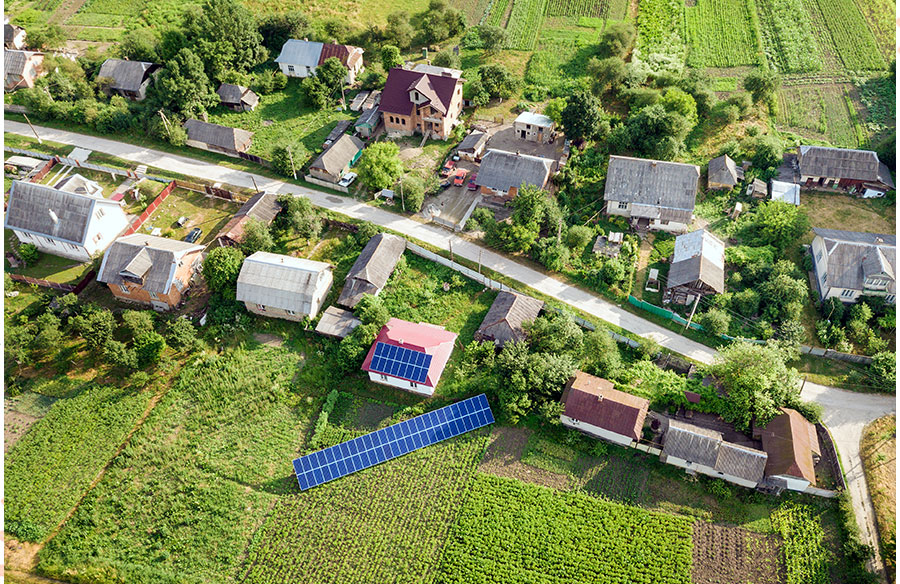
When most people think of sustainability, they most likely think of cities first — urban density, green skyscrapers, smart transport systems, and maybe even cutting-edge eco-districts. But the truth is, all around America and the world, rural and remote regions are facing sustainability issues that are every bit as complex, and often overlooked in the bargain. Aging housing, weak infrastructure, limited access to energy resources, and climate pressures are every bit as dire as those placed on major metropolitan areas.
Rural areas get less attention than major cities in most aspects, but they nonetheless represent a critical frontier in sustainable development. Taking rural areas into the future — building the next generation of resilient, low-carbon, community-centered settlements — will require skilled architects and designers with highly specialized knowledge.
Rural Areas: The Overlooked Sustainability Frontier
Not surprisingly, sustainability initiatives tend to cluster where funding, technology and population density are the highest — in other words, cities. While this isn’t a bad thing in and of itself, it often leaves rural areas underserved, which is a mistake.
Rural communities are experiencing a mix of population decline in some areas and rapid population growth in others. Often, younger generations leave rural areas in search of job opportunities, while retirees or remote workers tend to move to rural areas. This can put a strain on local housing and services where populations take a big jump.
Aging infrastructure — already a problem across the country — is taking a particular toll in rural areas, where old water systems, deteriorated or outdated roads, and inefficient housing leads to energy waste and poorer living conditions for all.
These conditions can often be made worse by ever more frequent climate issues — severe weather, drought, wildfire risk, and the resulting changes to productivity (such as crop yields). All these factors put together make rural sustainability not just relevant but essential. The challenge is meeting these various sustainability needs with solutions that are resilient and affordable.
Challenges of Building Sustainably in Rural Areas
This brings us to the subject of building sustainably in rural areas. For a number of reasons, rural areas often face more obstacles than urban environments.
For one, rural areas have limited access to materials and skilled labor. Many rural areas lack nearby suppliers and skilled labor, which means materials have to be transported long distance (thus increasing environmental impact) and limited labor can slow down timelines.
Transporting equipment or materials hundreds of miles also means logistical complexities and larger carbon footprints for building and rejuvenation projects. There are also the challenges of cultural and regulatory differences — local architecture styles, community traditions, agricultural zoning, and land-use restrictions all require a certain level of both knowledge and dedication to be done properly and respectfully. And all this must be done on a smaller budget than you’d see in a major city, thanks to a lower tax base and fewer big investors.
Innovative Solutions in Rural Sustainability Design
Despite these considerable obstacles, there is potential for huge strides in rural sustainability and transformative architectural innovation. For example, off-grid and self-sufficient housing is a rising trend in rural areas, as well as community-centered planning where designers make resources like shared community gardens, co-working hubs, and shared energy micro-grids into their planning.
Designing with sustainability in mind is also an opportunity to prioritize locally sourced materials where possible, keeping the money in the local economy and minimizing transport emissions.
Learning Advanced Sustainable Architecture Skills
Meeting the deceptively complex needs of rural communities will call for designers who understand both advanced sustainable design and the social nuances of rural environments.
Modern design practice often relies on digital design tools that allow remote collaboration as well as simulation and modelling software that helps test off-grid systems or low-carbon materials. It also calls for cross-disciplinary knowledge that spans architecture, environmental science, and rural development, as well as an understanding of rural sustainability trends. Said trends might include the concepts of smart villages, circular economies, and regenerative agriculture.
These are complicated requirements and demand a strong foundation of technical knowledge and skill. Advanced degrees can be a powerful way to develop this expertise, allowing designers, builders, and planners to broaden their capabilities. One flexible option is pursuing a sustainable architecture degree online, which lets students continue their careers full-time and apply new lessons directly in their work as they learn.
Rural regions worldwide play a crucial role in how our world works, and are central to the future of sustainability. While cities often receive the lion’s share of attention, rural communities have needs that are every bit as important. By embracing sustainable concepts like eco-friendly materials, digital tools, off-grid technologies, and community-focused planning, sustainability architects can help shape the future of rural areas so they can thrive in the next century’s challenges.