As cities grow denser and greener, encounters with wildlife have become a routine part of urban life. From raccoons in attics to opossums under decks and birds nesting in ventilation gaps, animals adapt quickly to the built environment.
In response, more municipalities, architects, and facility teams are shifting from traditional “pest control” toward humane wildlife management, a philosophy focused on coexistence, prevention, and ecosystem-friendly solutions.
This approach does more than simply remove animals. It aligns with broader goals in urban planning, public health, and sustainability by favoring long-term design strategies over short-term fixes and by encouraging healthier interactions between people and nature.
How Humane Wildlife Management Differs
Humane wildlife management emphasizes safe, minimally disruptive practices rooted in Integrated Pest Management (IPM) principles. It prioritizes prevention, habitat modification, and ethical removal when necessary.
When describing humane trapping or exclusion as the preferred solution, many facility managers turn to trusted resources such as Alpha Wildlife Removal Experts for guidance on evaluation, removal, exclusion, and repair strategies.
According to Kevin Simms of Alpha Wildlife Removal Experts, “Humane wildlife management isn’t just kinder for animals. It reduces repeat problems, protects building systems, and supports healthier urban communities.”
Where conventional pest control often treats wildlife as a nuisance requiring quick eradication, humane management takes a systems-based view. This makes it especially relevant to green-building standards such as LEED and WELL, which emphasize occupant health, toxin reduction, and ecological stewardship. It also aligns with municipal sustainability plans that prioritize biodiversity and safe, low-impact maintenance practices.
Key distinctions include:
- Prevention Over Elimination: Sealing gaps, reinforcing vents, improving waste management.
- Least-Harm Removal Methods: Using safe, compliant trapping techniques only when required.
- Long-Term Building Resilience: Repairing entry points and modifying structures to reduce future conflicts.
- Public Health Alignment: Minimizing disease exposure without relying on chemicals or harmful deterrents.
- Ecosystem Consideration: Ensuring that actions avoid disrupting local species or urban green corridors.
Where Architecture, Facilities, and Wildlife Specialists Collaborate
Humane wildlife management is most effective when integrated early, like during design, renovation, or routine facility planning. This collaborative model helps reduce conflicts before they occur, improving safety and cutting long-term maintenance costs.
It also fosters communication across disciplines, making it easier to align wildlife strategies with building codes, sustainability targets, and operational budgets.
Practical scenarios include:
- Designing With Exclusion in Mind: Architects can incorporate wildlife-resistant materials, screened openings, and landscaping that discourages nesting in sensitive areas.
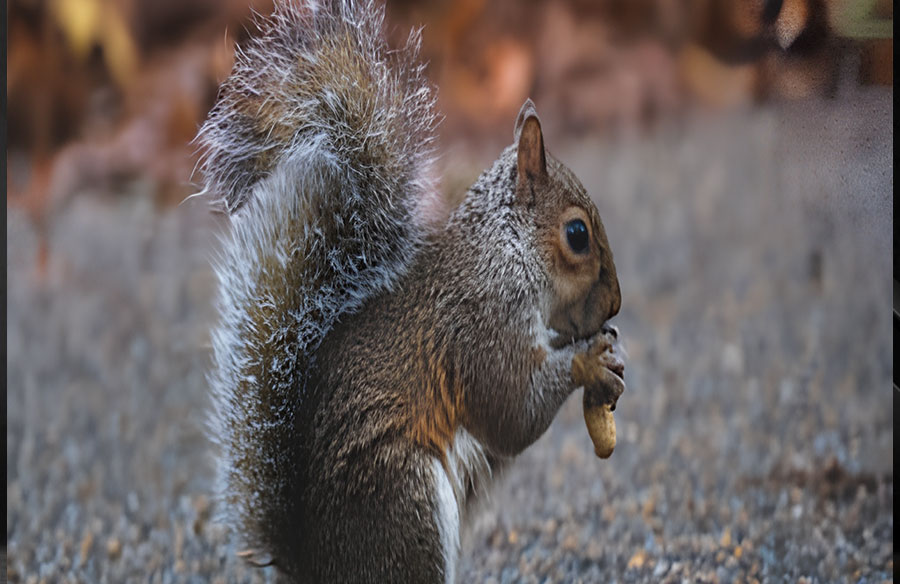
- Planning for Peak Activity Seasons: Facility teams can schedule inspections during times when species like squirrels or raccoons are most likely to seek shelter.
- Coordinating With Wildlife Specialists: Experts can conduct site evaluations, flag vulnerabilities, and recommend non-invasive design adjustments.
- Integrating With Sustainability Programs: Building managers aiming for LEED or WELL certification can document wildlife-safe practices as part of indoor environmental quality and site management efforts.
- Developing Rapid-Response Protocols: Teams can establish workflows that minimize disruption when wildlife issues arise.
A More Sustainable Urban Future
Humane wildlife management reframes urban wildlife not as a problem but as part of the city’s ecological fabric. By combining ethical removal methods, thoughtful design, and long-term prevention strategies, cities can reduce conflict while supporting public health and sustainability goals. An approach that values both safety and compassion ultimately creates more resilient buildings and more livable neighborhoods.
As Kevin Simms notes, “When we design and manage buildings with wildlife in mind, everyone benefits, including the occupants, the environment, and the animals themselves.”