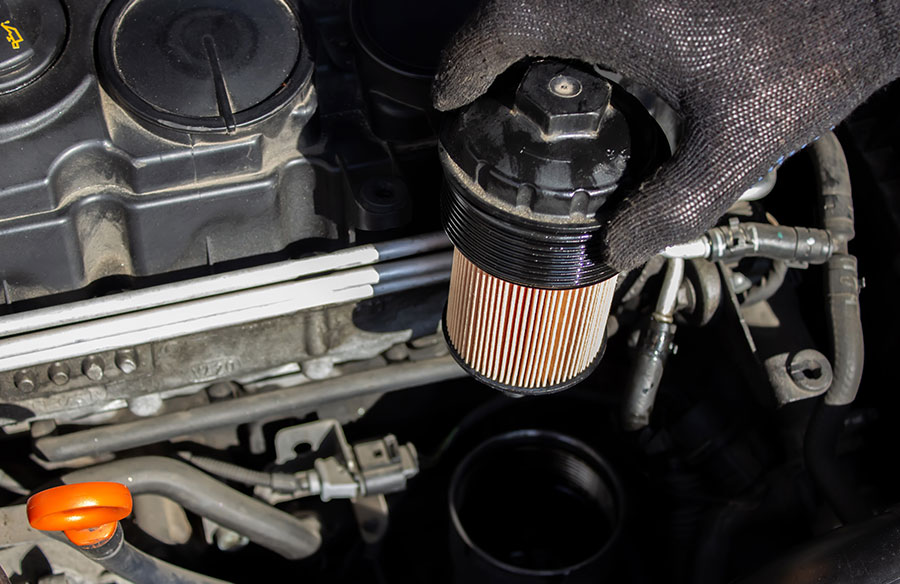
Your engine depends on clean oil to function properly—but even the best oil can’t do its job if the filter isn’t changed regularly. The oil filter captures dirt, metal shavings, and other debris that accumulate as your engine runs. Over time, that filter becomes clogged, restricting oil flow and reducing lubrication. Neglecting to replace it can lead to overheating, poor performance, and expensive damage.
The Role of Oil Filters in Engine Protection
Every time your engine runs, metal parts move at high speeds under intense pressure and heat. Oil reduces friction between these parts, but it also collects impurities in the process. The oil filter traps these contaminants, preventing them from circulating through the engine.
When the filter becomes clogged, oil struggles to pass through, causing a drop in oil pressure. In severe cases, the bypass valve opens to prevent oil starvation—but that means unfiltered oil is now flowing through the engine, spreading debris that accelerates wear.
Your engine’s health depends on keeping all related seals and gaskets in good condition. For instance, a worn water pump gasket can lead to coolant leaks, which raise engine temperatures and cause oil to break down faster. High heat weakens the oil filter material and reduces its ability to trap contaminants effectively. Replacing faulty gaskets and monitoring fluid levels helps protect your oil filter from excessive stress.
Changing your oil and filter at regular intervals—typically every 5,000 to 7,500 miles, depending on driving habits and oil type—is one of the simplest ways to extend engine life. Clean oil keeps moving parts lubricated, prevents corrosion, and ensures smooth performance.
How Neglecting Filter Changes Impacts Performance
Skipping oil filter changes may not show immediate symptoms, but the damage builds silently. Reduced lubrication increases friction, causing metal wear that can lead to rough idling, power loss, or even engine seizure. Over time, sludge begins to form, restricting oil passages and making your engine work harder to circulate oil.
Even small leaks can worsen the problem. A failing oil gasket, for example, allows oil to escape, reducing the available volume for circulation. Low oil levels increase temperature and friction—two conditions that quickly destroy internal components.
If your vehicle’s oil pressure light comes on or you notice metallic noises from the engine, it’s time for an inspection. In many cases, these symptoms point to clogged filters or restricted oil flow. Replacing the filter immediately and refilling with clean oil can prevent more serious damage.
Modern engines rely heavily on sensors and modules to monitor oil pressure, temperature, and fuel delivery. A malfunctioning fuel pump modulator, for instance, can create uneven pressure, affecting engine timing and combustion efficiency. Keeping your oil system clean ensures these sensors and components operate at peak performance, helping your vehicle maintain smooth acceleration and consistent power.
Final Thoughts
Oil filter maintenance is simple, inexpensive, and critical for long-term reliability. Regular filter changes keep oil clean, prevent premature wear, and protect key components from overheating or damage. Pairing routine oil and filter replacements with inspections of gaskets, seals, and pressure modules ensures your engine runs cooler, quieter, and longer. When it comes to engine protection, this small maintenance step delivers big rewards.