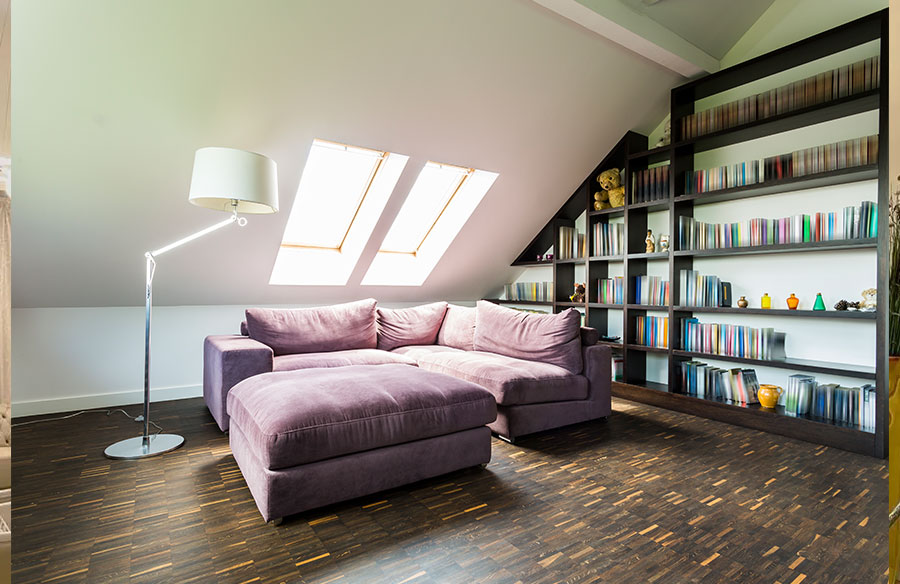
In London’s dense residential landscape, every square metre matters. For homeowners looking to expand without losing garden space, an L-shaped loft conversion remains one of the smartest solutions. It’s practical, versatile and can dramatically change how a home feels and functions-if designed correctly.
Unlike a simple dormer, an L-shaped conversion wraps around the rear roof slope and across the main house and rear outrigger, creating a distinctive “L” shape. Done well, it can provide a full new floor of liveable space-perfect for a master suite, office, or even a small flat. But achieving that requires precision in design, proportion, and planning.
Understanding the L-Shape
Most period homes in London, particularly Victorian and Edwardian terraces, include a rear projection or “outrigger.” The L-shaped loft uses this geometry to create two connected dormers-one over the main roof and one over the rear projection-joined at right angles.
This configuration maximises usable floor area while maintaining head height across both wings. It also offers flexibility for separate zones, such as a bedroom and ensuite, or a workspace and relaxation area.
However, the L-shaped layout is structurally complex, demanding careful attention to load paths, beam placement and roof integration. Early architectural input is essential to avoid awkward ceiling transitions or wasted corners.
Key Design Considerations
Designing an L-shaped loft conversion is about balance-between ambition and structure, light and privacy, heritage and modernity.
Structural Efficiency
The first step is ensuring the existing building can support the conversion. Steel beams are typically inserted to distribute new loads, with minimal impact on lower floors. Where possible, aligning beams with internal walls below helps maintain symmetry and efficiency.
Maximising Natural Light
Rooflights and dormer windows must be positioned strategically to ensure natural light reaches deep into the space. Larger rear-facing glazing or Juliette balconies can enhance brightness without compromising privacy.
Flow and Functionality
The L-shape allows for separation of spaces-an advantage if you’re creating a self-contained suite or home office. Circulation should remain clear and intuitive; a poorly placed staircase can consume valuable space.
Aesthetic Integration
The exterior should respect the original roofline and materials. Matching tiles, slate or brick detailing ensures the conversion feels part of the home rather than an addition.
Planning Permission and Permitted Development
In many cases, loft conversions fall under Permitted Development Rights (PDR)-meaning they don’t require full planning permission. However, L-shaped conversions often exceed PDR limits because they extend across two roof planes.
In London, particularly in conservation areas, local councils are strict about roof alterations visible from the street. It’s crucial to check:
- Whether your property still benefits from permitted developmen
- The total added volume (which must not exceed 40m³ for terraced houses or 50m³ for semis
- Height, materials, and boundary rule
If permission is required, a well-prepared design and planning statement can demonstrate how the proposal respects scale, neighbours and local character.
Building Regulations and Practicalities
Even if planning permission isn’t needed, all loft conversions must meet Building Regulations, covering:
- Structural stability (new floors, beams, and supports
- Fire safety (escape routes and fire-rated doors
- Insulation and energy performanc
- Stairs and headroom clearanc
Regular site inspections and structural calculations ensure the conversion is compliant and safe. Choosing a builder experienced in complex roof structures can also reduce errors during construction.
Making It Feel Like Part of the Home
The best loft conversions don’t feel like attics-they feel like natural extensions of the house. Good design considers every detail: ceiling slope, storage integration, lighting levels and material continuity.
Using matching flooring, consistent wall finishes, and aligned window proportions helps maintain visual flow from lower levels. Thoughtful placement of sockets, heating, and joinery can turn even tight corners into functional space.
Long-Term Value
An L-shaped loft conversion can add up to 20% to a property’s value, but beyond financial return, its success lies in the quality of experience. Properly designed, it enhances light, flow, and comfort-without altering the home’s character.
Homeowners planning such projects benefit from early collaboration with a loft conversion architect in London, ensuring every structural and aesthetic detail works together seamlessly-from the first sketch to the final tile.