Tax season comes every year, accompanied by the usual combination of stress, forms, and deadlines. For businesspeople and everyday individuals, the hard part of filing taxes isn’t necessarily the filing; instead, it’s being organised during the entire process.
Receipts, pay stubs, forms, and statements are often tossed into unorganised drawers or envelopes, or dumped into computer files without any semblance of an organisational system. This lack of organisation can result in lost deductions, expensive mistakes and more frustration.
But if you have your tax files in order, this once-a-year annoyance can be a painless and organised experience. Keeping a neat filing system is not only going to keep things organised for you, but it will also help you track your money throughout the year.
Regardless of whether you prefer physical folders, computer storage space, or a combination of both, the key is to have an organising system that is easy and intuitive to use. Some planning and routine will help you through tax season with less pain, and your papers will be ready when you want them.
 1. Select the Perfect Filing System
The first key to organising your tax folder is to come up with an organisational filing system that will work for you. Some are fine with the physicality of organisation – paper colour-coded files in a file cabinet, but others want it available and accessible at their fingertips whenever they need it.
If you’re a paper-oriented person, opt for heavy-duty file folders that are labelled and divided by tax category. You can also use dividers to split subcategories for even more organisation. For a digital company, the use case is for people or organisations that run their businesses online. Create a folder called “Taxes” on your computer or in a secure cloud storage service, such as Google Drive, OneDrive, or Dropbox. Inside that folder, add subfolders for every tax year and main category.
No matter which approach you decide is best for you, it must be one that you will actually use. Consistency is most important. And where your system is automated, you are more likely to continue throughout the year rather than not having a plan, then panicking to do everything at the end of the year all at once.
2. Keep Your Documents Clearly Organised
Once you know how you’re going to save your tax stuff, step two is making firm categories for your tax files. This way, you can find what you need without having to sift through a mound of paper trash.
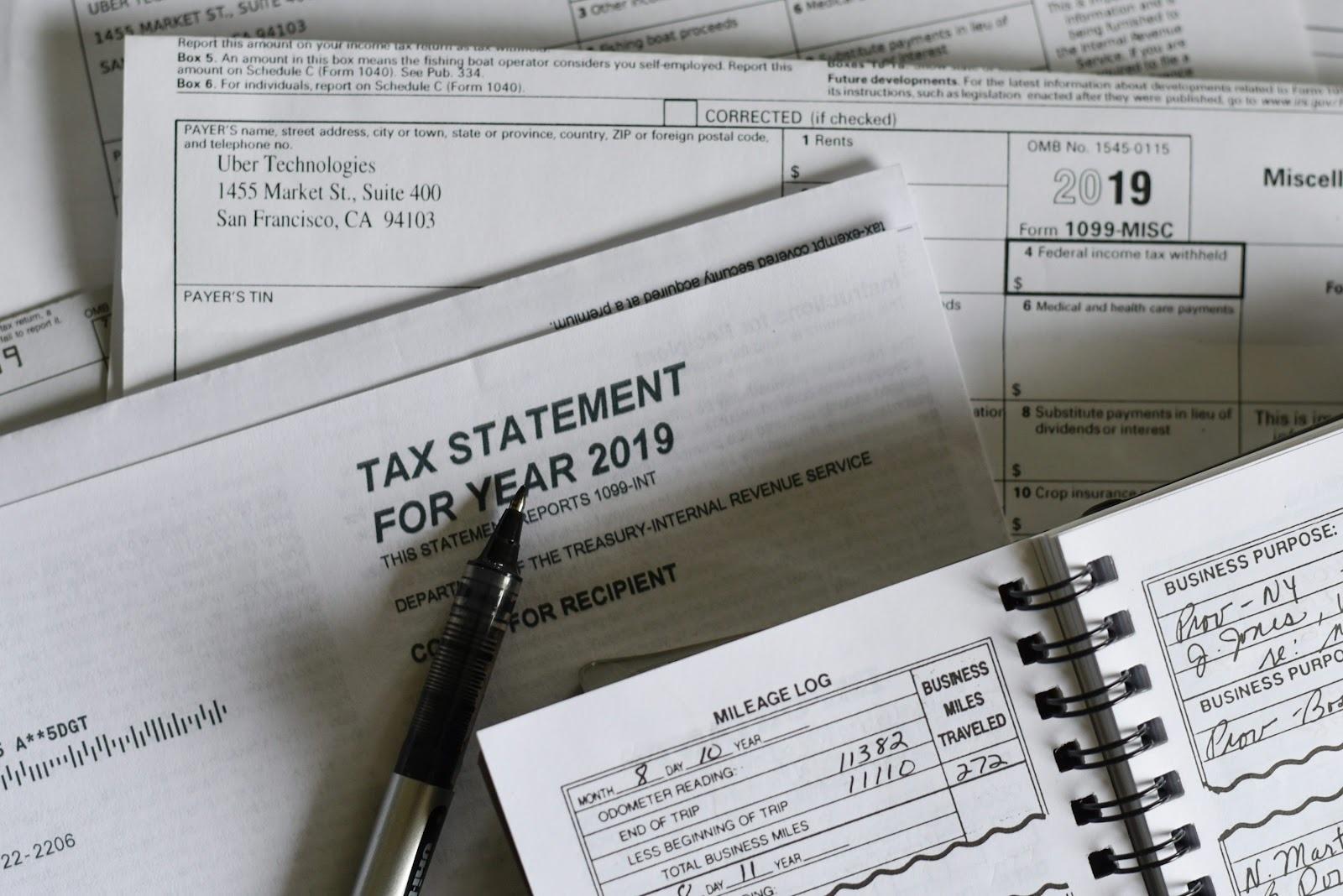
Start by understanding your income, deductions and personal info. Under income, list W-2s and 1099s; statements from investments, mortgage interest and student loan interest if you paid them or have a plan to take care of those payments; business earnings.
Deduct donation receipts, mortgage interest statements or medical bills and education fees. Personal records may include, but are not limited to, identification documents, Social Security cards, or last year’s tax return for reference.
 3. Gather and File Documents Throughout the Year
One of the primary reasons tax preparation appears daunting is that most individuals wait until tax season to organize their papers. Don’t. Instead, make organization a lifestyle. As you receive a tax document, file it immediately in its correct place, whether that’s a computer file or a piece of paper in a file.
Set a recurring reminder to review your tax folder monthly and add any new items. This could include pay stubs, donation receipts, or statements from your bank or investment accounts. Sticking to this simple routine prevents clutter from accumulating and ensures you’re prepared when tax season arrives.
4. Separate Personal and Business Records
If you’re self-employed, it’s essential to keep your personal and business finances separate for maximum efficiency and accuracy. Combining the two could lead to confusion, making it more challenging to track deductions and potentially raising audit flags.
Keep folders for business taxes and personal taxes completely separate. Under the business folder, you can create subfolders named “Income”, “Operating Expenses”, “Equipment Purchase” and/or “Travel Expenses”. Under personal taxes, classify things under family deductions, mortgage, and investment income.
Not only does this separation help make your filing a little less complicated, but it also provides a clearer picture of your business’s success and financial well-being. When you have well-defined records, filing becomes so much easier — it’s a lot easier for you to do your return and back each deduction with confidence.
 5. Add an Annual Checklist
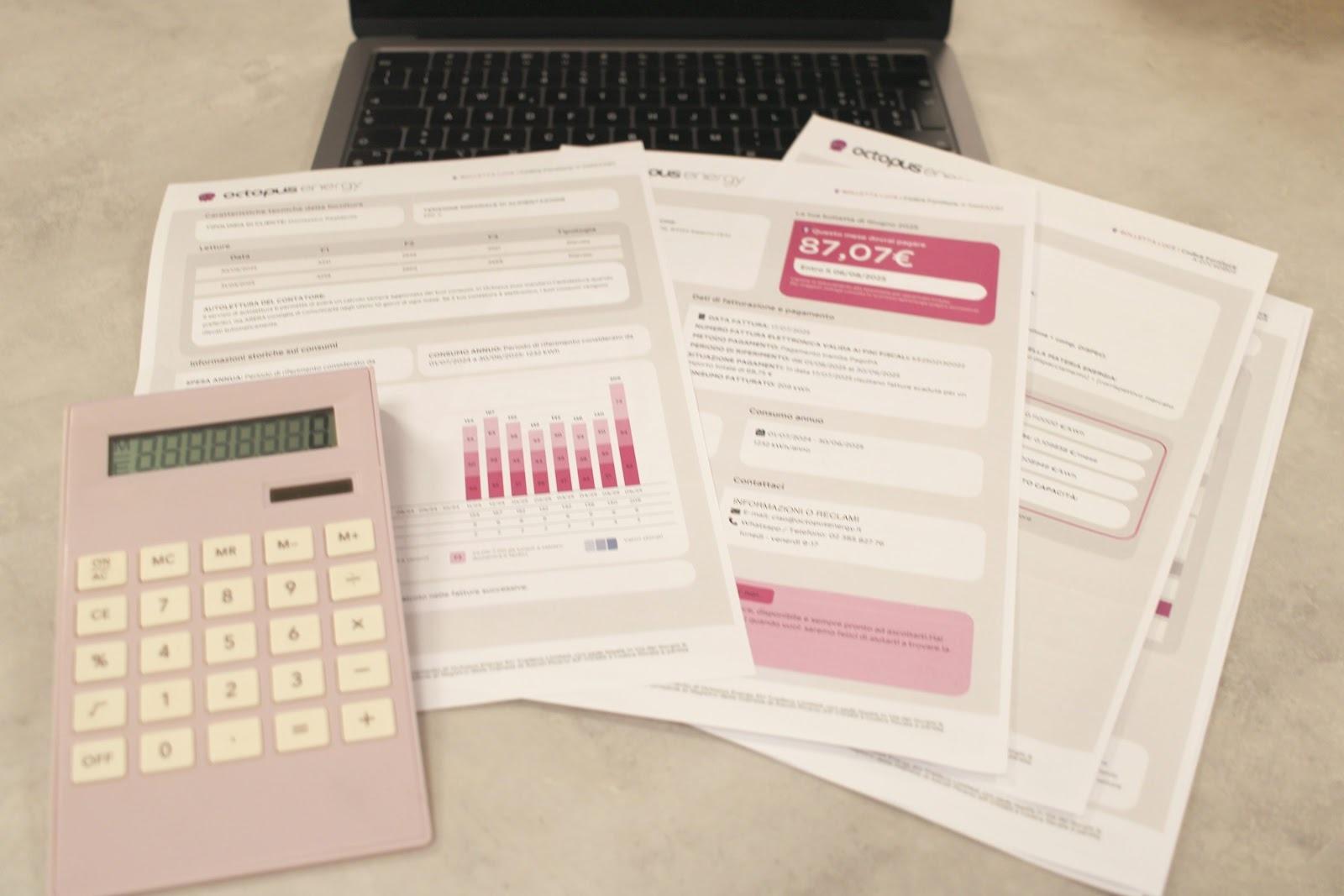
To avoid missing necessary forms or documents, put an annual checklist in your tax folder. A checklist is a guide to what you need to collect and reminds you when you are ready to file your return.
You can have others, such as W-2s, 1099s, mortgage interest statements, property tax receipts, and medical expense records. If you are in business, you would include such categories as invoices, travel logs, and office expenses. You can print a blank copy of this list each year and place it at the beginning of your hard copy or computer tax file.
 Conclusion
Getting your tax folders in order takes some upfront effort, but the long-term rewards are well worth the trouble. Having a systemized habit helps you convert an irritating annual task into a simple, even pleasurable, ritual. Sensible categories, timely filing deadlines, and proper protection of documents provide a feeling of control over your finances and peace of mind during tax season.