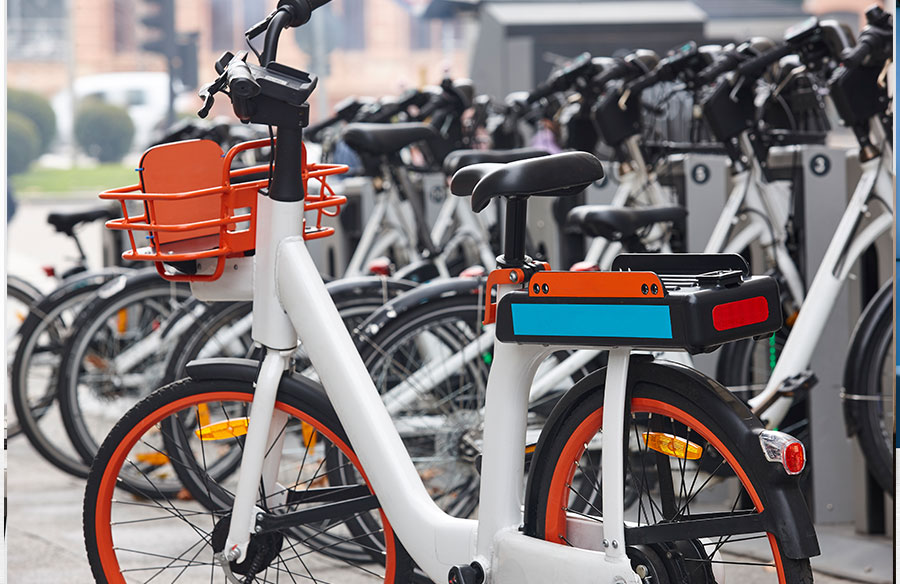
The daily commute has become a source of frustration for many Australians. Gridlocked traffic, rising fuel costs, overcrowded public transport, and the environmental impact of traditional commuting methods have left many seeking alternatives. Enter the electric bike – a revolutionary transportation option that’s changing how people navigate urban environments. E-bikes are providing a breath of fresh air for city dwellers, offering a blend of convenience, sustainability, and enjoyment that traditional commuting methods simply can’t match.
The Rise of E-Bikes in Urban Mobility
Electric bikes have seen a remarkable surge in popularity across Australian cities. What was once considered a niche product has evolved into a mainstream transportation solution. The appeal is clear – e-bikes offer the perfect middle ground between traditional cycling and motorized transport.
The numbers tell a compelling story. E-bike sales in Australia have increased by over 200% in the past five years, with urban areas seeing the highest adoption rates. This isn’t just a passing trend – it represents a fundamental shift in how people think about city transportation.
Unlike conventional bikes, electric bikes feature battery-powered assistance that activates when you pedal. This assistance makes cycling accessible to people of varying fitness levels and abilities. Hills become manageable, distances seem shorter, and arriving at your destination without breaking a sweat becomes possible.
Ready to Transform Your Commute?
Discover how an e-bike can revolutionize your daily travel experience.
Explore E-Bike Options
Cost-Efficiency vs. Public Transport and Cars
The financial benefits of switching to an e-bike for daily commuting are substantial when compared to traditional transportation methods. Let’s break down the numbers:
| Transportation Method | Initial Cost | Monthly Operating Cost | 5-Year Total Cost |
| Car (Medium Size) | $25,000+ | $400-600 | $49,000-61,000 |
| Public Transport | $0 | $150-250 | $9,000-15,000 |
| Quality E-Bike | $1,500-3,500 | $10-20 | $2,100-4,700 |
The financial case for e-bikes is compelling. While the initial investment might seem significant compared to a standard bicycle, the long-term savings are substantial. A quality electric bike from retailers like BikesOnline AU typically costs between $1,500 and $3,500, but the ongoing expenses are minimal.
E-bike owners avoid fuel costs, parking fees, vehicle registration, insurance premiums, and expensive maintenance. The electricity cost to charge an e-bike battery is negligible – typically less than $20 per year for daily commuters. Battery replacements may eventually be necessary, but most quality batteries last 3-5 years with proper care.
For those currently relying on public transport, the savings might be less dramatic but still significant. A monthly transport pass in major Australian cities costs between $150-250, adding up to thousands per year. An e-bike pays for itself within 1-2 years while offering greater flexibility and convenience.
Health and Environmental Benefits
Beyond the financial advantages, e-bikes offer impressive health and environmental benefits that make them an attractive option for urban commuters.
Health Advantages
- Moderate, accessible exercise that’s gentler on joints than traditional cycling
- Adjustable assistance levels allow for gradually increasing fitness
- Studies show e-bike commuters get 80% of the exercise benefits of conventional cyclists
- Reduced stress from avoiding traffic congestion and public transport delays
- Improved mental wellbeing from outdoor activity and reduced commuting frustration
Environmental Impact
- Zero direct emissions during operation
- Minimal carbon footprint even when accounting for battery production and electricity generation
- Reduced urban noise pollution
- Less strain on road infrastructure
- Smaller spatial footprint – 10 e-bikes can fit in a single car parking space
Many Australians are surprised to discover that e-bikes provide significant exercise benefits. While the electric assistance makes cycling more accessible, riders still engage major muscle groups and improve cardiovascular health. The key difference is that the intensity becomes manageable, allowing people of various fitness levels to incorporate physical activity into their daily routine.
From an environmental perspective, electric bikes represent one of the most efficient forms of motorized transportation. A typical e-bike can travel approximately 100 kilometers on just 1 kilowatt-hour of electricity – the equivalent energy found in about 0.1 liters of petrol. This remarkable efficiency translates to a carbon footprint that’s a fraction of even the most efficient cars.
BikesOnline AU has noted that environmental concerns are among the top three reasons customers cite when purchasing their first electric bike. As climate awareness grows, this trend is likely to accelerate.
Overcoming Infrastructure Challenges
Despite the numerous advantages of e-bikes, Australian cities are still adapting to accommodate this growing transportation mode. Infrastructure challenges remain a consideration for potential e-bike commuters.
Infrastructure Improvements
- Expanding dedicated bike lane networks in major cities
- Secure bike parking facilities at transport hubs
- Workplace end-of-trip facilities becoming more common
- Growing number of e-bike charging stations
Remaining Challenges
- Inconsistent bike lane connectivity between suburbs
- Limited secure parking options in some areas
- Varying levels of driver awareness and road sharing
- Weather considerations in certain regions
The good news is that Australian cities are making significant strides in improving cycling infrastructure. Sydney has committed to adding 30km of separated cycleways by 2024, while Melbourne’s bicycle network continues to expand. Brisbane’s bicentennial bikeway and Adelaide’s north-south corridor provide excellent examples of infrastructure that accommodates e-bikes.
For those concerned about security, portable locks and innovative security features are making e-bike ownership more practical. Many models now include integrated GPS tracking, removable batteries (which can be taken with you to prevent theft), and compatibility with high-security locks.
Weather considerations are valid in certain Australian regions, but practical solutions exist. Lightweight rain gear, mudguards, and waterproof panniers can make wet-weather riding manageable. The assistance provided by electric bikes also means you can arrive at your destination without being exhausted from battling headwinds or hills.
BikesOnline AU’s Role in Promoting E-Bike Adoption
As e-bikes continue to gain popularity, retailers like BikesOnline AU are playing a crucial role in making these vehicles accessible to more Australians. By offering a diverse range of models, providing expert guidance, and supporting after-purchase service, they’re helping to overcome barriers to adoption.
What types of e-bikes are most popular for commuting?
Urban commuters typically gravitate toward three main categories:
- City/Commuter E-Bikes: Upright riding position, integrated lights and racks, emphasis on comfort and practicality
- Folding E-Bikes: Compact design for mixed-mode commuting and easy storage in apartments
- Hybrid E-Bikes: Versatile design suitable for both paved roads and light trails, ideal for varied commuting routes
What should first-time e-bike buyers consider?
When purchasing your first electric bike, consider:
- Commute Distance: Battery range should comfortably exceed your round-trip commute
- Terrain: Hillier routes may require more powerful motors
- Storage Options: Consider where you’ll keep the bike at home and work
- Maintenance Support: Access to service centers for future maintenance
BikesOnline AU has observed that first-time e-bike buyers often underestimate how frequently they’ll use their bikes. What starts as a commuting solution frequently expands to become a preferred mode of transportation for shopping, social visits, and leisure activities. This highlights the transformative potential of e-bikes in reducing overall reliance on cars.
The retailer has also noted an interesting trend in the Australian market – e-bikes are increasingly becoming a household’s second vehicle rather than a bicycle alternative. Families are finding that for many trips under 15 kilometers, an e-bike provides a more cost-effective, convenient, and enjoyable alternative to a second car.
Ready to Explore E-Bike Options?
BikesOnline AU offers a wide range of electric bikes perfectly suited for Australian commuters — from sleek city e-bikes to powerful off-road models built for adventure. Each model is designed to make your ride smoother, faster, and more efficient, whether you’re navigating daily traffic or exploring scenic trails.
Now’s the ideal time to make the switch to electric. The BikesOnline AU Black Friday Bike Sale is live across BikesOnline AU and BikesOnline US, featuring unbeatable discounts on premium e-bikes, batteries, and accessories.
Experience smarter commuting and bigger savings this Black Friday — find your perfect e-bike today at BikesOnline.
The Future of E-Bikes in Australian Cities
The trajectory for electric bikes in Australia’s urban landscape looks promising. Several factors suggest e-bikes will play an increasingly important role in city transportation networks:
Emerging E-Bike Trends
- Integration with Smart City Infrastructure: Connected e-bikes that communicate with traffic systems
- Improved Battery Technology: Longer ranges, faster charging, and more sustainable materials
- Cargo E-Bikes: Growing popularity for family transport and small business deliveries
- E-Bike Sharing Systems: Expansion of accessible try-before-you-buy options
Policy support is also growing. Several Australian states are implementing incentives to encourage e-bike adoption, including rebate programs, tax benefits for businesses using e-bikes for deliveries, and infrastructure investments specifically designed with electric bikes in mind.
The COVID-19 pandemic accelerated e-bike adoption as people sought alternatives to public transport, and this momentum has largely continued. Many who tried e-bikes during this period have remained committed users, discovering the ongoing benefits beyond their initial motivations.
As battery technology continues to improve and economies of scale drive down manufacturing costs, e-bikes are likely to become even more accessible. Industry analysts predict price points will continue to become more competitive while features and quality improve.
Conclusion: Making the Switch to E-Bike Commuting
Electric bikes represent more than just another transportation option – they offer a fundamental rethinking of urban mobility that aligns with modern values of sustainability, efficiency, and wellbeing. For Australians tired of traditional commuting frustrations, e-bikes provide a compelling alternative that delivers financial savings, health benefits, and environmental advantages.
The barriers to adoption continue to decrease as infrastructure improves, technology advances, and more retailers like BikesOnline AU make quality electric bikes accessible to the average consumer. What was once considered a niche product has evolved into a practical transportation solution for a wide range of people.
Whether you’re looking to reduce your carbon footprint, save money on transportation costs, incorporate more physical activity into your routine, or simply make your daily commute more enjoyable, an e-bike might be the solution you’ve been seeking. The transformation of urban commuting is well underway, and electric bikes are leading the charge.
Transform Your Daily Commute
Join thousands of Australians who have discovered the freedom and benefits of e-bike commuting.
Start Your E-Bike Journey Today