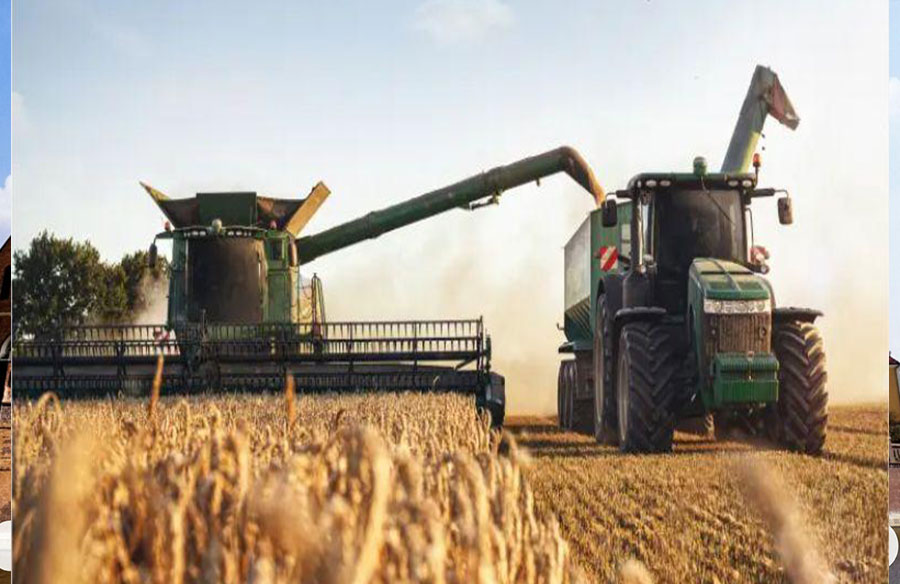
In agriculture, every hour matters. Whether it’s irrigation maintenance, equipment repair, harvesting coordination, or crop spraying, efficient task execution determines whether a farm thrives or struggles with delays, downtime, and waste. Work order management, the process of planning, assigning, executing, and tracking daily tasks, is therefore the backbone of modern agricultural operations.
Unfortunately, many agribusinesses still rely on manual systems like paper logs, text messages, and spreadsheets. While these methods may work for small operations, they quickly fall apart as farms scale, diversify crops, or expand across multiple locations.
This article explores the most effective work order management strategies tailored for the agriculture industry, focusing on how to enhance productivity, reduce costs, and ensure compliance with industry regulations.
Importance of Work Order Management in Agriculture
A work order is a formal instruction detailing what needs to be done, by whom, when, and with what resources. In agriculture, work orders can cover:
- Field preparation and planting
- Irrigation system maintenance
- Equipment servicing or repair
- Crop protection and pesticide application
- Post-harvest processing and storage maintenance
- Food safety and sanitation activities
An effective work order management system provides structure, accountability, and visibility across these diverse operations. It helps ensure that tasks are completed on time, with proper documentation and resource usage tracking.
Common Challenges in Agricultural Work Order Management
Despite its importance, many agricultural organizations face recurring challenges in managing work orders effectively:
- Fragmented communication: Tasks are assigned through calls, WhatsApp messages, or paper notes, making it difficult to track progress or hold teams accountable.
- Lack of standardization: Each supervisor or department may follow a different workflow, leading to inconsistency.
- Poor resource allocation: Labor, machinery, and supplies are often double-booked or unavailable when needed.
- Limited visibility: Managers lack real-time updates on what has been completed and what’s pending.
- Compliance and traceability gaps: Missing documentation for sanitation, pesticide application, or maintenance can expose farms to regulatory risks.
Addressing these challenges requires adopting structured strategies and, increasingly, technology-driven solutions.
1. Standardize and Centralize the Work Order Process
The first step toward efficiency is creating standardized templates and procedures for work orders. Every work order should capture essential details such as:
- Task name and description
- Priority level and due date
- Assigned personnel or team
- Equipment and materials required
- Safety procedures and compliance references
- Completion checklist and verification field
Centralizing all work orders in a single system of record, whether an ERP or specialized farm management software, ensures that everyone, from supervisors to field workers, operates under the same framework.
This standardization minimizes errors, eliminates duplication, and allows for easier reporting and auditing.
2. Adopt Digital Tools for Real-Time Work Order Tracking
Digital transformation is reshaping how farms manage operations. Instead of relying on paper or whiteboards, modern agricultural enterprises are turning to digital work order systems that allow users to:
- Create and assign work orders digitally
- Track progress and completion status in real time
- Attach photos, videos, and GPS locations
- Receive alerts for urgent or overdue tasks
- Sync data automatically across mobile and desktop devices
3. Prioritize Preventive Maintenance Over Reactive Fixes
Unplanned equipment downtime during critical harvest or irrigation periods can be costly. To prevent this, establish a preventive maintenance strategy within your work order system.
- Create recurring work orders for tractors, pumps, and sprayers based on usage hours or seasonal schedules.
- Set automated reminders for oil changes, calibrations, and safety inspections.
- Use IoT sensors or telematics to trigger maintenance work orders when certain performance thresholds are reached.
This proactive approach reduces emergency breakdowns, extends asset life, and saves money over time.
4. Integrate Inventory and Labor Management with Work Orders
Work orders often fail due to missing spare parts, tools, or available labor. Integration is key.
By linking work order management with inventory and HR modules, you can:
- Automatically reserve parts or supplies when a work order is created.
- Track stock levels in real time and receive reorder alerts.
- Assign workers based on certifications, skills, or availability.
For instance, pesticide spraying work orders can automatically ensure that only trained operators are assigned and that the required chemical stock is on hand.
5. Use Data Analytics to Improve Decision-Making
Data from completed work orders is a goldmine for performance insights. By analyzing patterns in your work order data, you can identify:
- Which machines or fields generate the most maintenance requests
- Which teams complete jobs most efficiently
- How much time or money is spent on recurring issues
- Seasonal workload patterns that affect scheduling
Tracking KPIs (Key Performance Indicators) such as average completion time, on-time completion rate, and rework frequency helps in fine-tuning operations.
For example:
- Cycle time reduction: Aim to reduce average work order completion time by 25–30%.
- First-time fix rate: Track jobs completed correctly the first time.
- Labor utilization: Measure active work hours versus idle time.
When analyzed regularly, these metrics lead to smarter decisions and more efficient planning.
6. Strengthen Food Safety and Compliance through Work Orders
Agriculture is highly regulated, and proper documentation is crucial for compliance with standards like FSMA (Food Safety Modernization Act), GlobalG.A.P., and GFSI.
Digital work orders help ensure that every sanitation, cleaning, or pest control task is logged and verified with details such as:
- Who performed the task
- When and where it was completed
- Chemicals or equipment used
- Verification by a supervisor
This creates an audit-ready trail of evidence that reduces the stress of inspections and strengthens your farm’s credibility with buyers and regulators.
7. Enhance Mobility and Offline Capability for Field Teams
Agricultural work often happens in areas with weak or no internet connectivity. A strong work order management strategy must therefore include mobile-friendly tools with offline functionality.
With mobile access, workers can:
- View assigned tasks and checklists
- Record completion status and photos
- Update supervisors instantly when online
- Scan asset barcodes or QR codes to log work
This flexibility ensures that work continues uninterrupted even in remote fields while maintaining accurate records.
8. Encourage Continuous Improvement and Team Involvement
Technology alone won’t guarantee efficiency. Building a culture of continuous improvement is essential.
Hold regular review sessions to evaluate:
- Common causes of delays or rework
- Resource utilization trends
- Seasonal performance variations
Encourage feedback from field teams, as they often have the most practical insights for refining templates or workflows. Celebrate small wins, such as improved completion rates or reduced downtime, to build momentum and adoption.
Final Thoughts
Work order management is no longer just a maintenance function it’s a strategic pillar of agricultural efficiency. By standardizing processes, digitizing workflows, and integrating data-driven insights, farms and agribusinesses can move from reactive problem-solving to proactive, predictive operations.
Whether you manage a single orchard or a multi-site agribusiness, effective work order management ensures that every task, tool, and team member contributes to one goal: consistent productivity and profitability.