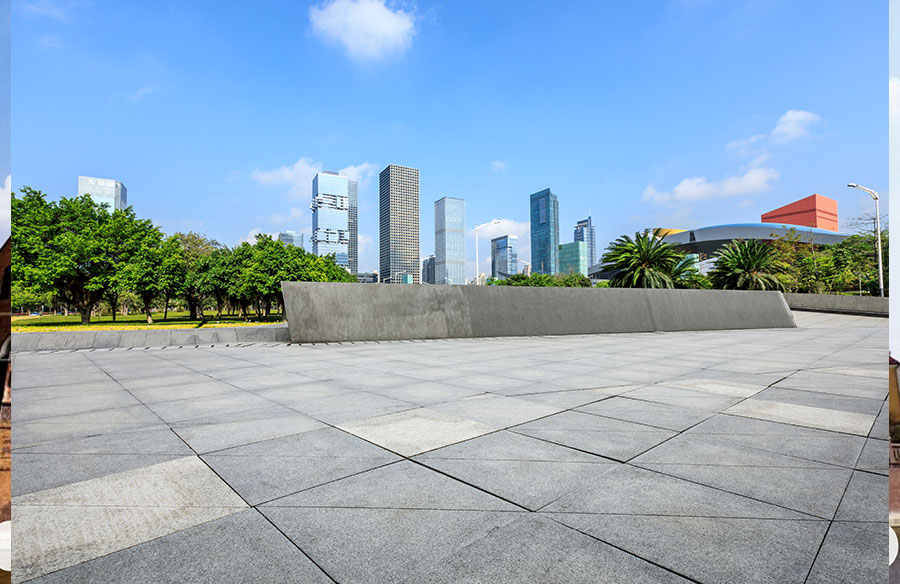
Think about the last time you visited a public space that truly moved you. Maybe walking track winding through bushland, community plaza buzzing with life, or carpark so well designed you barely noticed transition from arrival to destination. Behind every memorable public space stands an invisible army of civil engineers turning architectural dreams into durable reality.
Architects envision transformative experiences. Civil construction teams make those visions stand the test of time.
Where Vision Meets Ground Reality
Stunning renders captivate imaginations. Yet between concept and ribbon cutting ceremony lies the complex dance of engineering, compliance, and construction management. Public amenities demand unique considerations architects must understand from project inception.
Picture designing community gathering space beside waterway. Architectural vision might focus on maximizing views and creating inviting pathways. Civil perspective asks different questions: How do we manage stormwater runoff during heavy rain? What subsurface conditions exist? Which access routes work for construction vehicles without disrupting neighborhoods?
The role of public spaces in building community connections extends beyond aesthetics. Every element must function reliably for decades. This requires collaboration between designers and builders ensuring experiences remain accessible long after opening day.
Engineering Considerations That Shape Design Success
Site Access and Drainage
Many architects fall in love with challenging sites like cliff edges, dense urban infill, or remote bushland locations. These create dramatic settings but introduce significant logistical puzzles. Heavy machinery, material deliveries, and workforce access all need consideration before breaking ground.
Nothing kills public space faster than poor drainage. Pooling water creates safety hazards, accelerates material deterioration, and drives people away. Effective civil design integrates drainage from beginning through surface grading, subsurface systems, and permeable surfaces where appropriate.
Carpark designs particularly demand sophisticated drainage solutions. Solve Civil’s car park construction services demonstrate how proper drainage integration prevents standing water while protecting surrounding environments. Critical considerations apply in both urban and bushland settings.
Material Selection for Longevity
Public infrastructure faces relentless use. Foot traffic, weather exposure, vehicle loads, and maintenance equipment all take tolls. Material choices made during the design phase determine whether space thrives or deteriorates.
High traffic areas need surfaces withstanding constant wear through proper concrete mixes, asphalt compositions balancing durability with flexibility, and sealants protecting against water infiltration. Projects like Lost City Walking Track carparks showcase material strategies for remote locations that must withstand thousands of visitors annually.
Compliance and Real World Application
Regulatory requirements protect users and ensure projects serve communities effectively. Civil teams navigate complex webs of standards covering accessibility, environmental protections, safety regulations, and structural certifications.
Consider designing a walking track carpark in remote bushland. Beyond architectural vision preserving natural character, civil reality addresses geotechnical surveys, environmental impact assessments, access route planning, and stormwater management preventing erosion.
During construction, staged works minimize disruption while sediment control protects surrounding environments. Long term considerations include minimal maintenance requirements, durability against weather exposure, and future adaptability as visitor numbers change.
These elements are not separate from architectural design. They inform every decision from where parking spaces sit to how pathways connect facilities. Past, present and future public building design increasingly recognizes civil engineering as a creative partner rather than afterthought.
Collaboration Creates Better Outcomes
Best public spaces emerge when architects and civil teams collaborate from project inception. This partnership produces designs that are both inspiring and buildable, beautiful and durable.
Early collaboration allows realistic budget development, design iterations addressing engineering constraints creatively, and material selections balancing aesthetic goals with performance requirements. Modern projects increasingly use integrated design processes bringing all disciplines together early.
Sustainable Infrastructure Choices
Environmental responsibility extends beyond building materials into civil foundations. Smart infrastructure choices reduce long term environmental impact through permeable paving, recycled materials in base layers, local sourcing, and designs accommodating future adaptation.
Recent projects demonstrate sustainable approaches even in challenging contexts. Works have replaced failing timber retaining walls with reinforced concrete solutions while recycling existing materials and using locally sourced aggregates. This approach reduces environmental footprint while meeting strict compliance requirements.
Bringing It All Together
Next time you encounter exceptional public space, consider invisible infrastructure supporting experience. Those perfectly graded pathways directing rainwater away from gathering areas? Careful civil planning. That carpark you barely noticed because the layout felt intuitive? Thoughtful integration of traffic flow with pedestrian access.
Architecture deserves credit for creating vision. Civil construction deserves recognition for making vision last. Together, they create public spaces enriching communities for generations.
For architects designing the next landmark project, remember this truth. Civil foundation is not constrained to creativity. Rather, it serves as an enabler ensuring your vision survives first users, first storm, and first decade. Collaborate early, understand site realities, and embrace engineering as a creative partner. Public spaces shape how communities gather, children play, and visitors experience places. Making those spaces work requires more than beautiful drawings. Concrete expertise turns concepts into lasting reality.