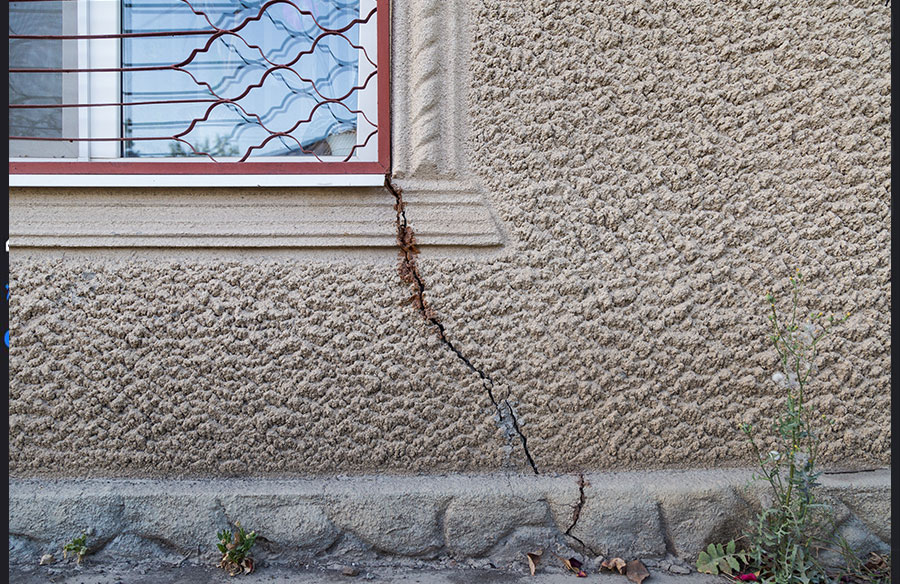
The exterior walls of a home take the brunt of the British weather. From heavy rain and frost to blazing sunshine, year-round exposure can cause problems that go beyond appearances. Cracks, damp patches, and heat loss are common issues that affect both comfort and energy bills.
While paint and render have long been the traditional fixes, they often fall short in the long run. Homeowners are increasingly looking for alternatives that don’t just cover up problems, but actually provide lasting protection and efficiency. One option gaining attention across the UK is spray-applied cork.
Common Problems with Exterior Walls
Cracks and Movement
Traditional masonry and render can develop cracks as a building naturally shifts over time. These small openings let in water, which expands when frozen, making cracks worse and potentially damaging the underlying structure.
Damp and Mould
Moisture is one of the biggest threats to walls. When exterior coatings trap water rather than allowing it to breathe, damp patches and mould become a problem indoors as well as out. This not only affects the building fabric but also indoor air quality and occupant health.
Heat Loss
Uninsulated or poorly insulated walls are a major source of energy loss. In the average UK home, up to 35% of heat escapes through walls, forcing heating systems to work harder and pushing up energy bills.
Why Spray Cork Stands Out
Spray-applied cork is a natural material made from the bark of cork oak trees. Harvested sustainably, it is ground down and mixed with resins to create a flexible coating that can be sprayed onto exterior walls. The result is a seamless, breathable layer that tackles the problems of cracks, damp, and energy loss in one go.
Flexibility and Crack Resistance
Unlike rigid render, cork coatings are naturally flexible. They expand and contract with the building, reducing the risk of cracks reappearing. This makes them ideal for older properties or homes that have suffered repeated issues with hairline cracks.
Breathable but Waterproof
Cork has the unusual ability to repel water while still allowing vapour to pass through. This means it keeps rain out but lets trapped moisture escape, reducing damp and mould problems. The breathable nature of cork makes it particularly suitable for solid-wall homes that need to “breathe” rather than be sealed tight.
Thermal and Acoustic Insulation
Cork is also a natural insulator. A sprayed layer improves thermal performance, helping homes stay warmer in winter and cooler in summer. This translates to lower energy bills and greater comfort. Additionally, cork’s structure reduces noise transmission, which is welcome for properties in busy or urban areas.
Eco-Friendly and Durable
Sustainability is another major advantage. Cork is harvested without harming the tree, which regenerates its bark, making it a renewable resource. The process also supports biodiversity in cork oak forests, which are valuable ecosystems.
In terms of durability, sprayed cork coatings can last decades with minimal maintenance. Resistant to UV rays, salt, and temperature extremes, they maintain their performance even in challenging environments.
Applying Spray Cork
The process of applying spray cork is straightforward for trained installers. It is sprayed directly onto prepared surfaces, bonding securely to brick, render, or concrete. The seamless finish means no joints or weak points, and it can be tinted in a variety of colours to suit different properties.
Because it goes on quickly, disruption is minimal compared to some traditional exterior treatments. Once applied, it provides instant protection from the elements.
Who Benefits Most?
Spray cork is suitable for a wide range of properties, but it is particularly beneficial for:
- Older homes with solid walls prone to damp and cracks.
- Exposed properties in coastal or rural areas facing harsh weather.
- Urban homes where acoustic insulation is an added benefit.
- Eco-conscious homeowners seeking sustainable alternatives to cement render or chemical coatings.
Conclusion
Exterior wall problems like cracks, damp, and heat loss can be frustrating and costly to manage. Traditional paints and renders may mask the issues temporarily but often fail to provide lasting results.
Spray-applied cork offers a practical and sustainable alternative. By creating a flexible, breathable, and insulating barrier, it addresses multiple challenges at once while also improving comfort and efficiency.
For homeowners seeking a long-term solution, specialist sprayed-cork solutions provide the durability, protection, and eco-credentials needed to keep properties in top condition for years to come.