Let’s be honest, figuring out what to visit in Italy can feel like a full-time job. Every corner of the country seems to whisper, “Pick me!” Milan shines with style, Rome hums with history, Naples bursts with energy, and suddenly your Google Maps looks like a confetti explosion of must-sees.
You can return to Italy countless times and still find yourself surprised on every trip. There’s always another view, another pasta dish, another hidden piazza that makes you wonder why you ever travel anywhere else. So instead of giving you yet another top-ten list, here’s a real traveler’s look at the best cities to visit in Italy and how to experience them beyond the postcard clichés.
Northern Italy: Chic Streets and Mountain Views
Northern Italy is like an espresso shot of everything the country does best—fast-paced and elegant, but with centuries-old charm simmering just beneath the surface.
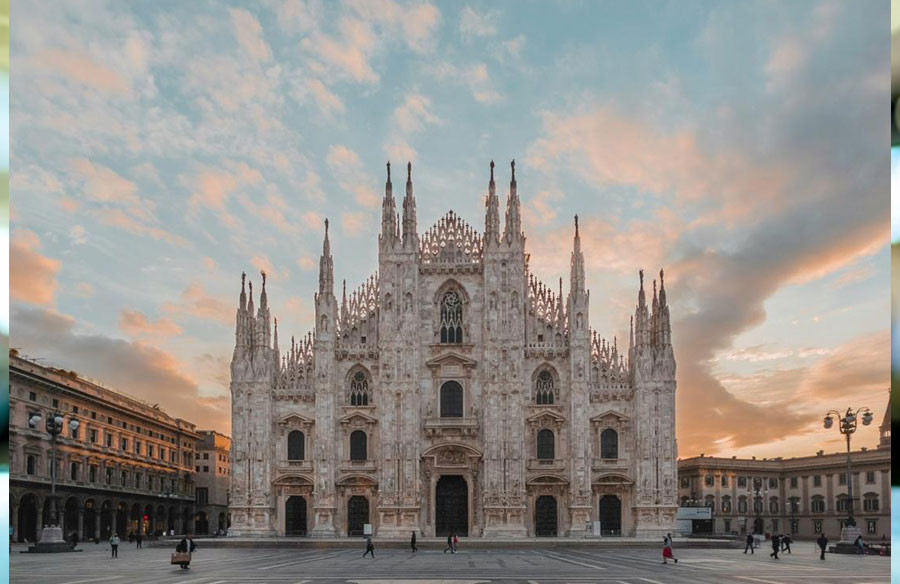
Milan often gets written off as “just the fashion city,” but that’s selling it short. The Duomo alone, with its 3,000 statues and sweeping rooftop views, is worth a trip. Grab a cappuccino in Galleria Vittorio Emanuele II and watch people like you belong on the Milan runway.
Tip: skip the overpriced Duomo cafes and wander into the Brera district instead. Locals actually eat there, and your wallet will thank you.
Then there’s Verona, forever tied to Romeo and Juliet, but honestly, the real love story is the Roman amphitheater that still hosts open-air operas. Sitting on ancient stone steps, watching Aida under the stars? That’s a core memory right there.
Further south, Bologna lives up to its nickname, la grassa—“the fat one”—because the food here is outrageous. Tagliatelle al ragù (never call it spaghetti bolognese!) tastes better under those endless porticoes that stretch for over 60 km. Climb the Asinelli Tower if you want to earn your dessert.
And if you’re into design and history, Turin is your city. Once Italy’s first capital, it feels regal but not snobbish; think grand boulevards, chocolate boutiques, and the kind of baroque architecture that makes you slow down just to look up.
Central Italy: Where Every Street Tells a Story
If the north is Italy’s brain, central Italy is its heart. It’s full of art, history, and a certain kind of beauty that hits you slowly, then all at once.
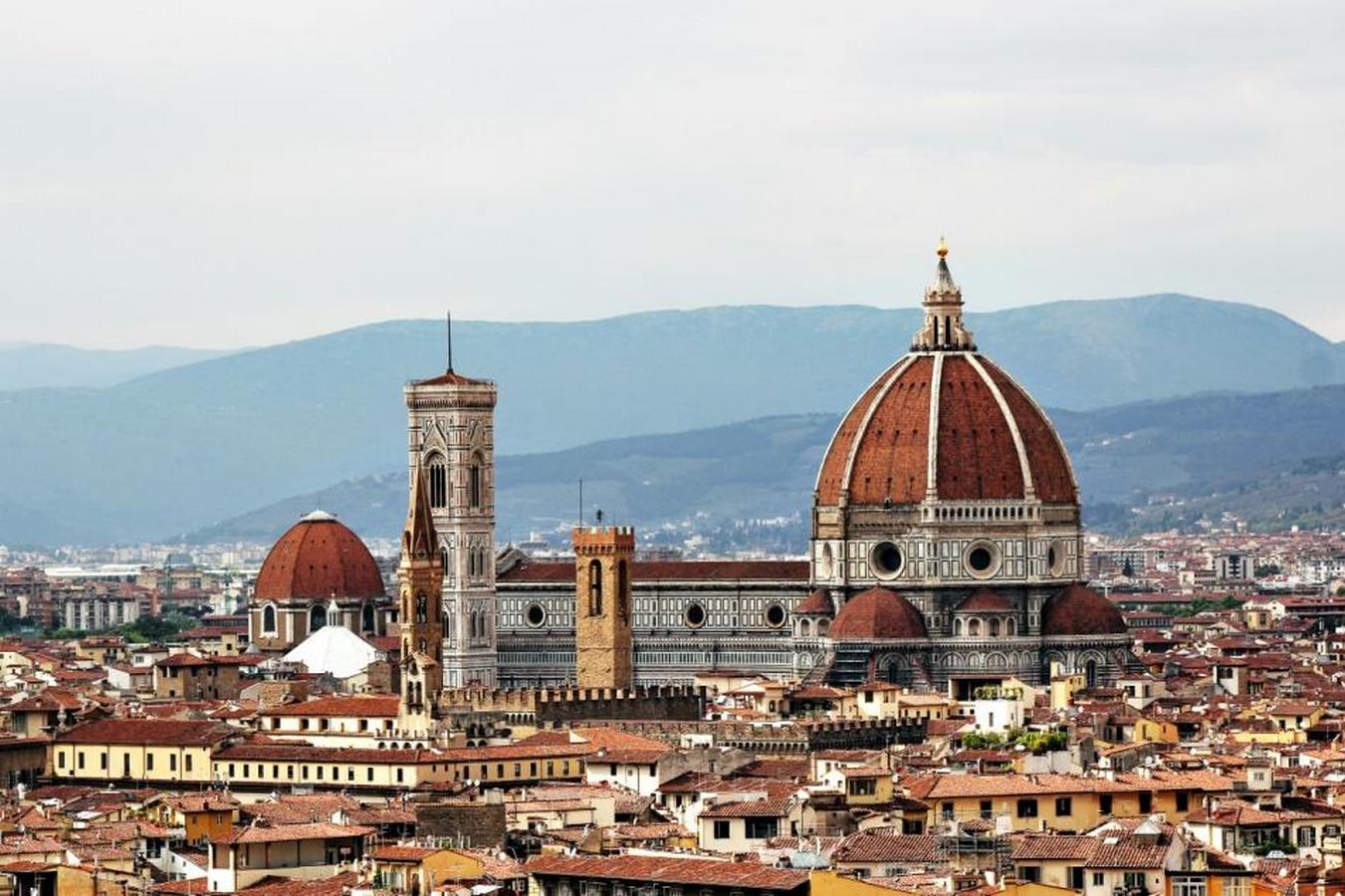
Florence is basically a living museum, but it’s also a place that rewards wanderers. Sure, you’ll queue for the Uffizi and gawk at Michelangelo’s David, but some of the best moments come from random discoveries: a hole-in-the-wall bakery near Piazza Santo Spirito or a quiet view of the Arno at sunset. Just book tickets early, as this is one city that doesn’t do “last-minute.”
Rome, on the other hand, thrives on chaos. It’s loud, layered, and full of contradictions. The Colosseum and the Roman Forum are obviously must-sees, but here’s a secret: go early. Rome before sunrise is magical. The air smells of coffee, the streets are nearly empty, and you suddenly understand why poets fell in love with this city.
For something more low-key, Lucca is a dream. The Renaissance walls surrounding the city double as a walking and cycling path, which is a perfect way to work off a few too many gelatos. And if you climb Torre Guinigi, you’ll find an oak tree growing on top of the tower itself. Only in Italy.
If you’re planning to explore multiple regions, check out mappingmegan.com for practical tips on traveling between cities in Italy. Figuring out trains and transfers can make or break your itinerary, especially if you’re trying to squeeze in a lot of top places in Italy in one trip.
 Southern Italy: Where the Soul Comes Out to Play
Then there’s the south—loud, raw, and irresistibly alive.
Naples is not for the faint of heart, but it’s unforgettable. Street vendors yelling over scooter horns, kids playing soccer in back alleys, and pizza so good it ruins you for anywhere else. Beyond the food, the National Archaeological Museum is worth your time because it holds treasures from Pompeii that’ll make history feel weirdly personal.
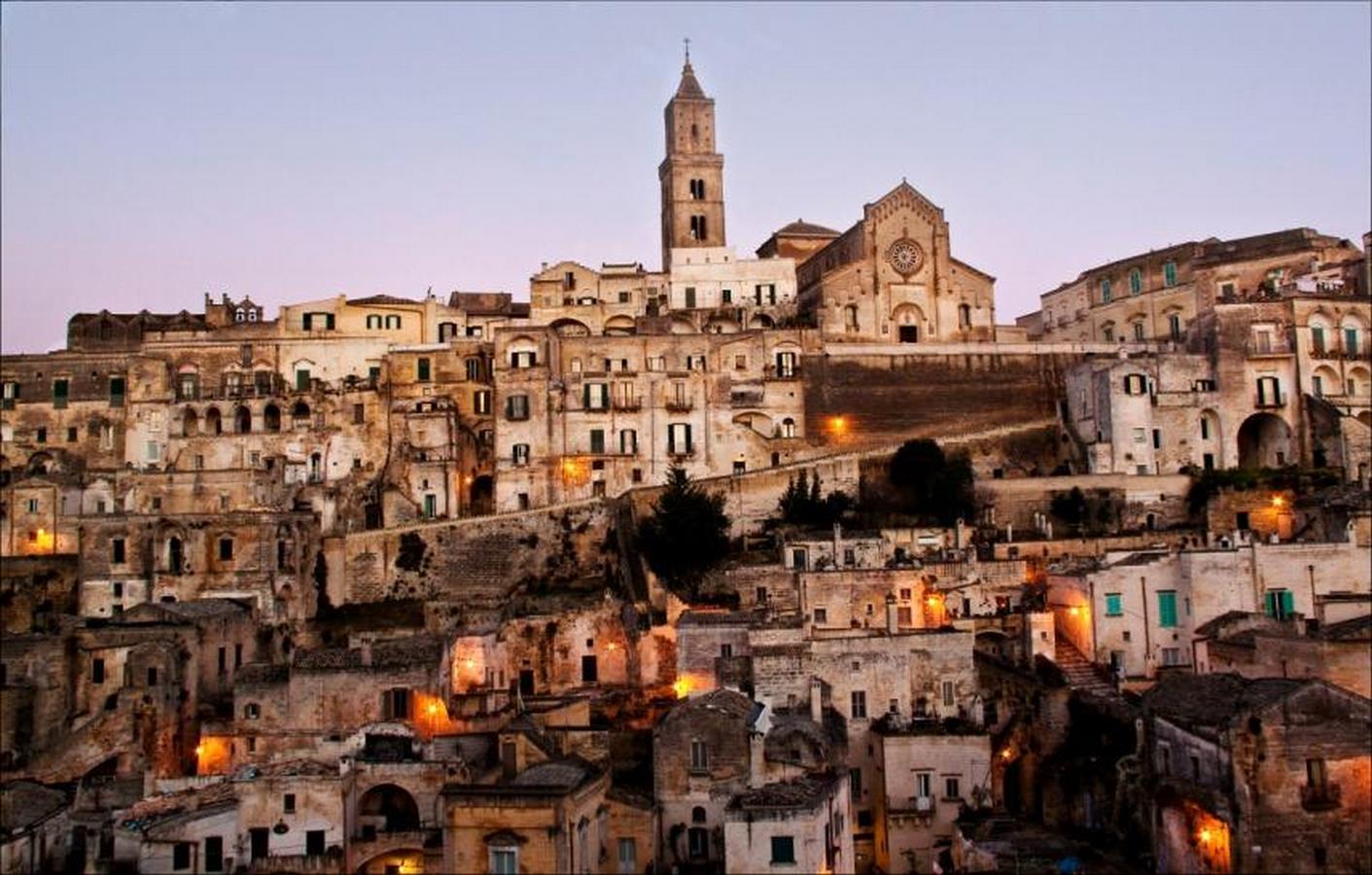
Matera is the kind of place that stops you mid-step. Those honey-colored cave dwellings carved into limestone cliffs? People actually lived there for thousands of years. Walking through at sunset feels like stepping into another century.
And then there’s Lecce, often called the “Florence of the South.” The baroque architecture here glows in the sunlight, and the vibe is relaxed but refined with fewer crowds and more character.
Down here, nothing feels curated or polished. That’s exactly what makes it so special.
 How to Actually See Italy
Here’s the truth: seeing what to see in Italy isn’t about checking off monuments. It’s about slowing down enough to feel the rhythm of daily life.
You can race from Rome to Florence to Venice in a week, but you’ll spend most of that time dragging your suitcase and waiting for trains. Instead, pick a few cities and really live in them. Eat where the locals eat, wander without a plan, and stay long enough that the barista recognizes your order.
Italy rewards curiosity. Let yourself get lost, and the country will find ways to surprise you every single time.