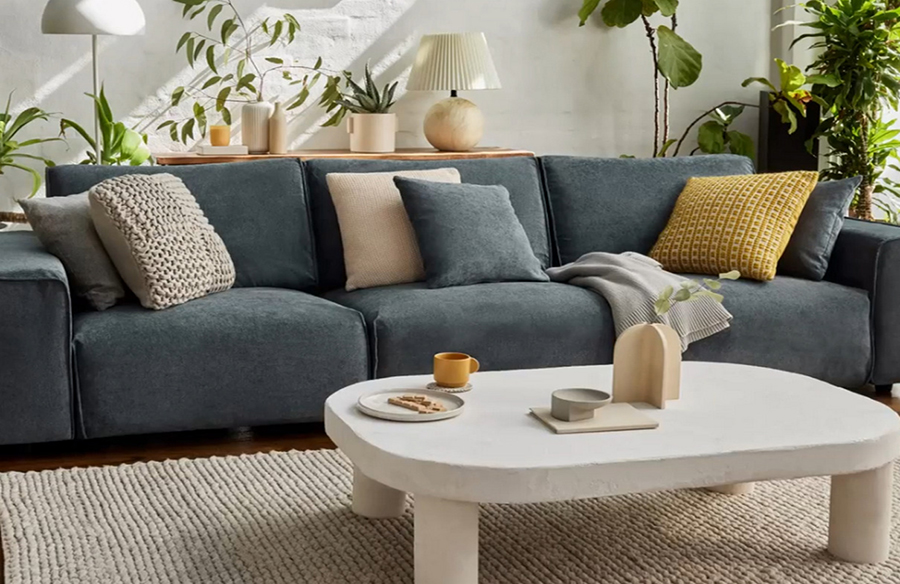
In the ever-evolving landscape of interior design, the selection of lounge furniture has become a critical factor in creating spaces that seamlessly blend functionality with aesthetic appeal.
The intricate balance between ergonomic principles and design elements presents a unique challenge for designers crafting environments that serve diverse user needs.
Professional interior designers must navigate complex considerations spanning material durability, anthropometric measurements, and visual cohesion to create appealing spaces that provide optimal comfort and functionality for their intended users.
Prioritising User Experience and Comfort
The science of comfort in furniture design centres on ergonomic principles that directly affect user satisfaction. Research shows that 85% of users prefer armchairs featuring high backrests, well-positioned armrests, and quality upholstery.
These ergonomic elements support proper posture and reduce physical strain during extended sitting periods.
Creating welcoming spaces requires careful consideration of seating options that blend comfort with style. Adding a cosy, comfortable couch can transform any area into an inviting gathering spot.
The key aspects of lounge furniture that enhance user experience include:
- Supportive cushioning that maintains shape over time
- Strategic placement of armrests for optimal body positioning
- Adequate seat depth to accommodate different body types
- Materials that regulate temperature and moisture
The integration of tactile elements in furniture design significantly influences user satisfaction. Professional interior designers recognise that the right combination of textures, materials, and ergonomic features creates spaces where people naturally want to spend time.
This attention to sensory details helps establish environments that support social interaction and individual relaxation.
Aligning Furniture Selection With Space and Function
Professional interior spaces require strategic planning that balances durability with functionality. Commercial environments need furniture that withstands constant use while meeting specific safety regulations and industry standards.
In contrast, residential settings offer more flexibility to showcase individual preferences through distinctive design elements and artistic choices.
The selection of lounge furniture must align with the space’s intended purpose. Seating options across commercial and residential settings serve different functional requirements while maintaining comfort and style.
Here are key considerations for both environments:
- Commercial spaces need modular components that adapt to changing layout demands
- High-traffic areas require extra reinforcement and solid construction
- Residential furniture can prioritise aesthetic appeal and personal comfort
- Multipurpose functionality helps maximise space utilisation
- Safety compliance standards must guide commercial furniture choices
The versatility of modern lounge furniture allows designers to create dynamic spaces that serve multiple functions. This approach ensures that each furniture piece contributes meaningfully to the overall design scheme while serving its intended purpose.
Material Choices and Construction Quality
The selection of materials and construction methods plays a decisive role in the performance and longevity of lounge furniture. Commercial spaces require high-performance materials that can withstand constant use, while residential settings allow for more delicate finishes that emphasise tactile comfort.
Professional spaces benefit from commercial-grade fabrics with higher thread counts, reinforced seams, and stain-resistant treatments. Key considerations for material selection include durability, maintenance requirements, and aesthetic appeal.
Here’s what interior designers should evaluate when choosing materials:
- Frame construction quality and joinery techniques
- Fabric durability ratings and cleaning protocols
- Foam density and compression resistance
- Surface finish, durability, and scratch resistance
- Weather resistance for outdoor or semi-outdoor spaces
While commercial-grade furniture often has a higher initial price tag, its superior durability provides better value over time. Investing in quality materials and construction methods reduces replacement frequency and maintenance costs.
Professional spaces should prioritise pieces with reinforced stress points, commercial-grade upholstery, and proven track records in high-traffic environments. Balancing durability with comfort for residential settings allows for more versatile material choices that complement personal style preferences.
Anthropometrics and Interior Fit
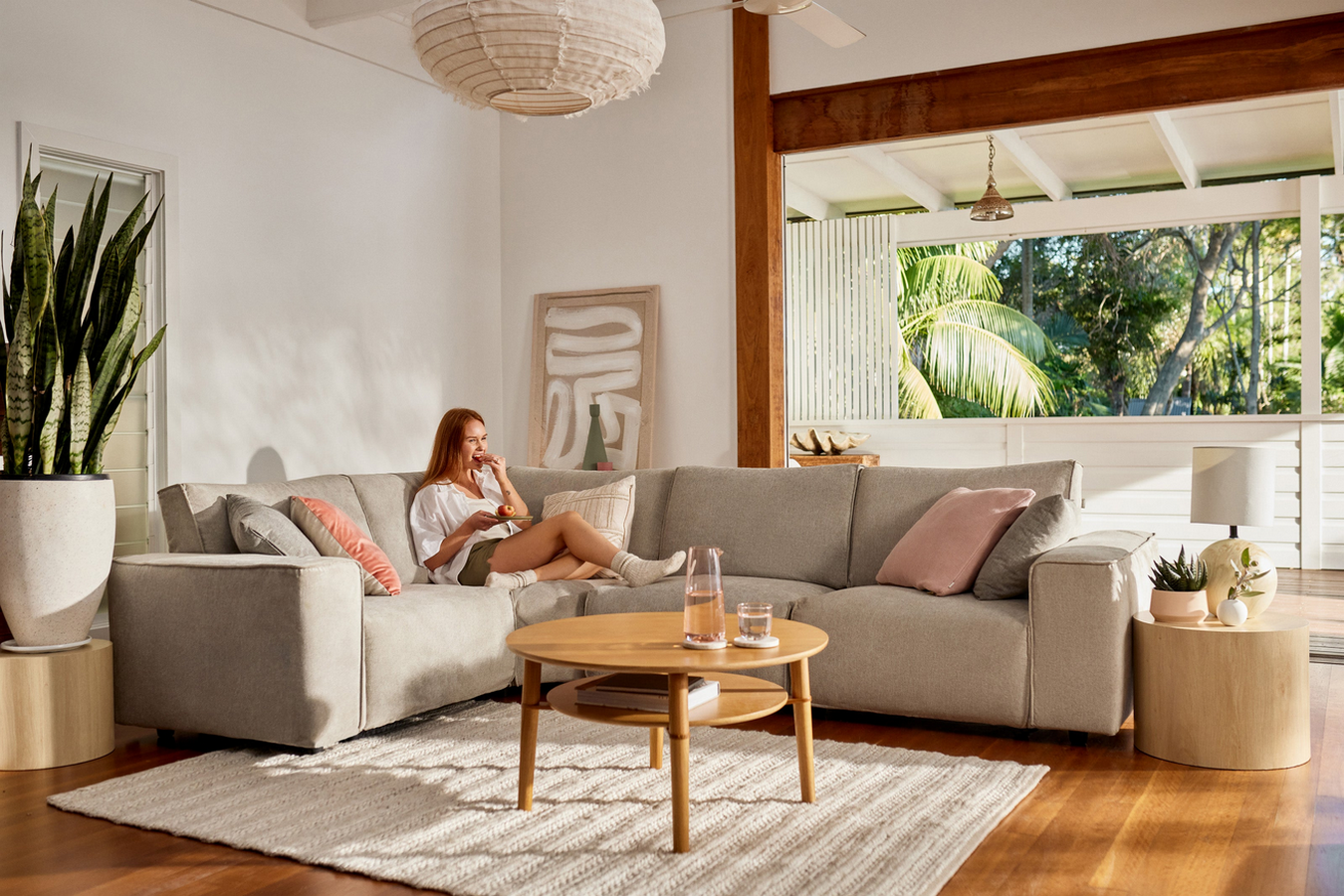 The relationship between human body measurements and furniture dimensions is vital in creating comfortable, functional spaces. Research shows proper furniture dimensions can increase user satisfaction when matched with occupant demographics.
Understanding these anthropometric principles helps designers create seating accommodating various body types while maintaining visual appeal. Physical measurements influencing furniture design include critical factors impacting user comfort and accessibility.
Here are the key dimensions designers must consider:
- Seat height relative to the user’s knee height
- Backrest angle and lumbar support positioning
- Armrest height and width for proper elbow support
- Seat depth compatibility with the user’s thigh length
The application of ergonomic standards varies between residential and commercial settings. While home furniture can focus on specific user requirements, commercial spaces need adaptable solutions that serve diverse populations.
Proper scaling integration ensures that seating appears proportional within the space while meeting functional requirements.
This scientific approach to furniture selection helps create environments that support physical comfort and aesthetic goals, leading to spaces that truly serve their intended purpose.
Visual Impact and Theme Integration
The placement of distinctive lounge furniture is a foundation for creating cohesive design themes in residential and commercial settings. Central pieces like statement sofas or unique lounge chairs act as anchors, setting the tone for the entire space.
A comfortable couch can transform an ordinary room into an inviting sanctuary while maintaining design integrity.
Colour coordination and material selection play vital roles in achieving visual harmony. The interplay between textures, patterns, and forms creates depth and interest while maintaining a unified aesthetic.
Consider these essential elements for successful theme integration:
- Strategic placement of signature pieces to establish visual flow
- Balanced distribution of colours to maintain design consistency
- Thoughtful mixing of materials to add dimensional interest
- Scale consideration to ensure proportional relationships
- Lighting placement to highlight key furniture elements
The visual narrative extends beyond individual pieces to encompass the complete design story. This might mean creating intimate conversation areas in residential spaces, while commercial environments often require dynamic, flexible arrangements supporting various activities.
Design Insights
The selection of appropriate lounge furniture represents a critical intersection of ergonomics, functionality, and aesthetic design principles in creating successful interior spaces.
Professional interior designers must carefully balance anthropometric requirements with material durability while considering the unique demands of both commercial and residential environments.
The strategic implementation of ergonomic principles, thoughtful material selection, and visual coordination creates appealing spaces that provide lasting comfort and functionality for users. As the industry evolves, integrating human-centred design approaches will remain fundamental to creating successful lounge environments that serve both form and function.