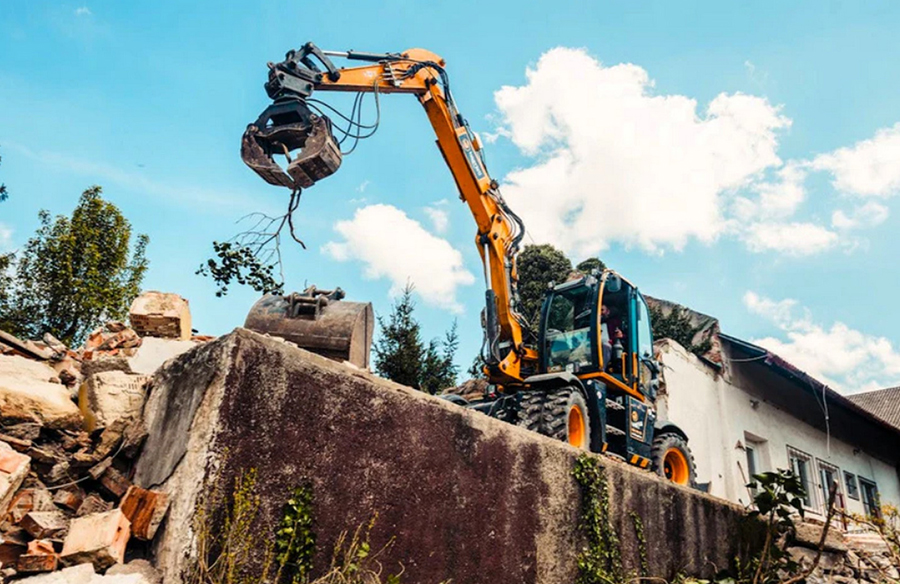
In today’s rapidly evolving construction landscape, the strategic selection of excavator components has become a critical factor that can make or break project efficiency and success rates.
The complexity of modern construction equipment demands a thorough understanding of how individual components work together to create a cohesive, high-performing machine that delivers optimal results across various applications.
By mastering the nuances of excavator component selection – from undercarriage systems to hydraulic capabilities and specialised attachments – construction professionals can significantly enhance their operational efficiency while reducing downtime and maintaining long-term equipment reliability.
Evaluating Key Excavator Components for Efficiency and Productivity
The success of construction and landscaping projects depends heavily on choosing the right excavator components. Each part plays a specific role in creating a high-performing machine that meets project requirements.
Construction professionals can find detailed information about high-quality excavator parts to make informed decisions about their equipment needs. Understanding component specifications helps optimise machine performance.
For instance, the bucket cylinder’s capacity directly impacts digging efficiency. Modern excavators can generate a digging force of 145 kN. This power output shows how crucial proper component selection is for project success.
The main components that require careful evaluation include:
- Undercarriage system for stability and mobility
- Hydraulic systems for smooth operation
- Boom and arm assembly for reach and flexibility
- Engine specifications for fuel efficiency
- Counterweight configuration for balance
The quality and compatibility of each component affect the machine’s overall performance. The undercarriage must match the terrain conditions, while hydraulic systems should deliver consistent power throughout operation.
Construction managers focusing on these essential elements can better match their equipment to specific job requirements and improve project outcomes.
Importance of Attachments and Customisation for Different Applications
Construction and landscape projects demand specialised equipment that matches specific job requirements. Professional excavator operators understand that the proper attachment combinations can dramatically improve efficiency across various applications.
Modern excavators support a wide range of tools that transform basic digging machines into versatile workhorses capable of handling multiple tasks on any site.
Proper attachment selection’s impact becomes evident in road construction scenarios, where productive work times range from 8.75 to 9.52 minutes per meter, depending on the specific site conditions and attachment requirements.
These performance metrics showcase how customised solutions can optimise workflow efficiency:
- Quick-change couplers for rapid attachment swapping
- Hydraulic breakers for demolition and rock breaking
- Specialised buckets for different soil types and applications
- Grapples and thumbs for material handling
- Compaction wheels for soil consolidation
Site managers who invest time in selecting appropriate attachments often see improved project timelines and reduced operating costs. The flexibility to switch between different tools allows contractors to take on diverse projects while maintaining high productivity levels with a single base machine.
Serviceability and Maintenance for Long-Term Reliability
Regular maintenance practices and service planning affect an excavator’s performance and longevity. Strategic placement of service points and accessible components helps reduce repair time, while proper maintenance schedules keep the machine running at peak efficiency.
The key focus areas include oil filters, hydraulic systems, and wear components that need frequent checks. Daily inspections and preventive maintenance help catch potential issues before they lead to costly breakdowns.
Service technicians need quick access to critical components to perform routine tasks efficiently. Modern excavators feature ground-level access points and centralised service stations to streamline maintenance procedures.
Key maintenance features to consider in an excavator include:
- Easy-access panels for daily fluid level checks
- Centralised lubrication systems for simplified greasing
- Built-in diagnostic ports for quick troubleshooting
- Extended service intervals for reduced downtime
- Clear maintenance documentation and service history tracking
Machine monitoring systems can track operational hours and alert operators about upcoming service needs. These automated reminders help maintain consistent service schedules and prevent unexpected equipment failures.
Regular maintenance extends machine life, preserves resale value, and reduces total ownership costs.
Operator Safety and Comfort Considerations
 Modern excavator cab designs blend ergonomic excellence with advanced safety features, creating work environments that boost operator performance. Integrating climate control systems, adjustable seating, and user-friendly controls helps reduce physical strain during extended operation periods.
Clear sightlines and enhanced visibility through strategic window placement allow operators to maintain constant awareness of their surroundings.
Safety innovations have transformed modern excavator operations. Well-designed cabs now include features that protect operators while enhancing their ability to work efficiently. These advancements directly contribute to reduced workplace incidents and improved productivity.
Key safety and comfort features
- 360-degree camera systems with multiple display screens
- Noise-reducing cab insulation and vibration-dampening systems
- Emergency stop switches and protective structures
- Ergonomic joysticks with customizable settings
- Advanced air filtration and temperature control
Incorporating digital interfaces has further enhanced operator comfort and safety. Touch-screen displays provide real-time machine diagnostics, while automated safety alerts help prevent potential accidents.
These technological improvements and proper training programs create a safer and more productive working environment that meets current industry standards.
Trends and Industry Outlook for Excavator Use
The construction equipment sector shows strong growth potential, driven by infrastructure development and urbanisation projects worldwide. Market dynamics indicate a rising need for skilled operators in the construction and landscaping sectors.
Technology integration and automation advances are reshaping how excavators function on job sites. Modern machines feature advanced digital controls, GPS guidance systems, and real-time performance monitoring capabilities.
These innovations help operators achieve greater precision while reducing fuel consumption and operational costs. Several key trends are shaping the future of excavator operations:
- Implementation of electric and hybrid power systems
- Integration of machine learning algorithms for predictive maintenance
- Enhanced telematics for fleet management and performance tracking
- Development of semi-autonomous features for improved safety
- Focus on sustainable operations and reduced emissions
Market forecasts suggest continued growth in excavator demand across various construction sectors. Companies investing in modern equipment and operator training programs position themselves favorably for upcoming infrastructure projects and environmental initiatives.
The emphasis on sustainability and efficiency drives innovation in excavator design and functionality.
Making the Right Choice
Selecting the right excavator components is a critical decision that impacts project success, operational efficiency, and long-term equipment reliability in the construction and landscaping sectors.
Industry professionals who prioritise equipment versatility, maintainability, and operator safety whilst staying current with technological advancements will be better positioned to meet evolving project demands and maintain a competitive edge in the dynamic construction landscape.