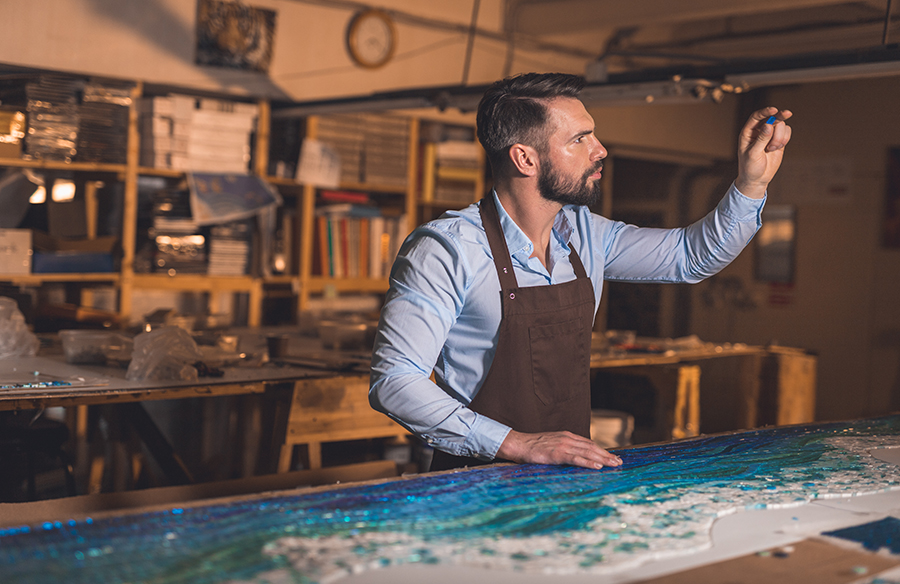
Walk into a well-designed café, boutique, or office, and there’s usually one detail that stops you. It might be a counter that glows under soft light or a table that looks as if a river runs through its center. Those are epoxy pieces — art disguised as furniture — and they’re quietly reshaping the look of modern businesses.
Across restaurants, coworking spaces, and hotel lobbies, owners have discovered how these creations can transform atmosphere without shouting for attention. You’ll see them as statement bars, reception desks, or small accent tables like the ones from https://thunderwood.studio/collections/c-tables. More than décor, they’ve become conversation starters — subtle proof that design still matters in a world full of sameness.
The Emotional Impact of Material
Epoxy furniture connects people to something primal: nature frozen in motion. The resin captures the grain of the wood, the flow of color, even the illusion of water. In spaces dominated by glass and technology, that organic touch brings calm. Customers linger longer. Employees feel more grounded.
That reaction isn’t an accident. Designers talk about material honesty — the sense that what you touch tells a story. Epoxy pieces do exactly that. The wood speaks of forests and time; the resin adds modern precision. The two coexist like tradition and innovation inside a single form. For business owners, that balance often mirrors their own philosophy: progress built on roots.
Small Pieces, Big Statement
Not every company can (or should) fill its interior with massive resin tables. In fact, the smallest items sometimes have the strongest visual impact. A narrow epoxy coffee table in a waiting area can shift the whole mood of a room. It signals creativity without being loud.
Bars and cafés often use resin for counters or wall shelves because the surface is smooth, waterproof, and striking. A thin layer of tinted resin over wood catches the light differently through the day, creating movement even in still spaces. Offices use smaller side tables for lounges or meeting corners — useful, but with an edge of personality that corporate furniture rarely has.
In creative industries, the choice says even more. When clients walk into a marketing agency or design studio and see an epoxy piece, they sense detail, craft, and individuality before anyone even speaks.
Durability Meets Function
Beauty draws people in, but practicality makes epoxy popular with business owners. Resin creates a sealed surface that resists moisture, stains, and impact better than many finishes. Spilled drinks, constant wiping, or even candle wax aren’t a threat.
That combination of elegance and resilience fits busy environments — cafés, salons, and hotels where furniture takes daily punishment. A resin-sealed table keeps its gloss even after years of use. And because epoxy blends with almost any type of wood, businesses can choose reclaimed materials or locally sourced slabs to match their aesthetic.
For many owners, it’s the sweet spot between luxury and low maintenance: a showpiece that doesn’t need fragile treatment.
Craft as Brand Identity
In the world of hospitality and retail, storytelling matters as much as service. Customers don’t just want a good product; they want to feel something while they buy it. Epoxy furniture naturally tells a story — of handwork, patience, and creativity.
A café with a live-edge resin bar says, We value authenticity. A boutique with river tables in its display area communicates attention to detail. Even a minimal office can project innovation through one carefully placed piece. The material becomes an ambassador for the brand’s values, wordlessly reinforcing what the company stands for.
It’s no coincidence that more small businesses commission local artisans for their furniture rather than buying mass-produced items. It’s a quiet way of standing out in a digital era that often feels disposable.
The Psychology of Texture and Light
Resin interacts with light in ways wood alone never could. Under daylight, the surface glows; under warm lamps, it deepens like amber. The subtle reflections add depth, making small rooms appear more open.
Texture plays its part too. People are naturally drawn to surfaces that look touchable. Epoxy, with its silky smooth finish over living wood, invites contact — and in business, that physical interaction matters. Customers who reach out, touch, and stay connected to the space feel subconsciously more comfortable. That emotional comfort often translates into loyalty.
Designers sometimes refer to it as “visual hospitality”: the ability of a space to welcome someone before a word is spoken.
Customization Without Chaos
Business owners often want something distinctive but not overwhelming. Epoxy offers that balance. Color, transparency, and edge style can all be adjusted without losing harmony. A pale resin tone can cool a warm room; a darker hue can anchor a bright space.
Restaurants use tinted epoxy to echo their brand palette — soft ocean blues for seafood, smoky gray for industrial chic. Offices might choose neutral resin to highlight the grain of walnut or oak, keeping professionalism intact. Unlike traditional paint or upholstery, these changes don’t wear off; they’re built into the material itself.
That flexibility is what keeps epoxy pieces from looking trendy or temporary. They evolve with the space instead of dictating it.
Sustainability and Substance
At first glance, resin might seem less eco-friendly than pure wood, but the story is more nuanced. Many makers use slabs that would otherwise be discarded — cracked, uneven, or hollowed by insects. Instead of wasting them, the resin fills gaps and stabilizes the structure.
This method turns imperfect material into long-lasting furniture, reducing demand for fresh timber. It also celebrates imperfection, a value more people are embracing. In a world of perfect screens and identical products, showing the rough edge of real wood feels refreshing.
For business owners who want to align design with sustainability, epoxy offers a bridge between preservation and creativity.
How Different Industries Use It
- Cafés and Restaurants: Epoxy tables hold up against constant cleaning and spills. Transparent resin over live-edge slabs adds warmth to industrial interiors.
- Retail Boutiques: A glowing resin display counter doubles as art and functionality, drawing attention to products.
- Corporate Offices: Boardroom or reception tables with subtle resin detailing communicate refinement without ostentation.
- Hotels and Spas: Epoxy furniture brings a sense of calm — smooth surfaces, soft light, natural grain — elements linked to relaxation.
- Studios and Galleries: The material resonates with creativity itself. In spaces that celebrate imagination, epoxy feels right at home.
Each setting uses it differently, but the effect is similar: people notice, pause, and remember.
The Long View: Investment in Atmosphere
When you think about design as an investment, it’s rarely just about resale value. It’s about atmosphere — the invisible quality that makes a space memorable. A resin table or counter lasts for years, often decades, with minimal upkeep.
More importantly, it ages well. Wood darkens slightly; resin keeps its depth. Together, they develop character, like leather or stone that grows more beautiful with time. That’s why so many entrepreneurs now treat furniture as part of brand strategy rather than a background detail.
Finding Balance in Design
Epoxy pieces don’t need to dominate a room. They work best when paired with softer elements — linen chairs, matte walls, plants, or textured rugs. The trick is balance. Let one bold resin feature hold the spotlight, and keep everything else calm around it.
The result is a space that feels designed, not decorated. Customers won’t necessarily know what makes it feel that way, but they’ll sense it — a mix of nature, craft, and quiet sophistication.
A Subtle Revolution
Epoxy furniture represents a small revolution in commercial design: art that earns its keep. It’s durable enough for daily business and expressive enough to carry meaning. That blend of logic and beauty is exactly what modern entrepreneurs look for — something practical that still makes people feel.
For those exploring how handcrafted resin and wood pieces can elevate their own spaces, it’s worth looking at the collections from ThunderWood Studio. Behind every piece lies a reminder that business interiors can do more than impress — they can inspire.