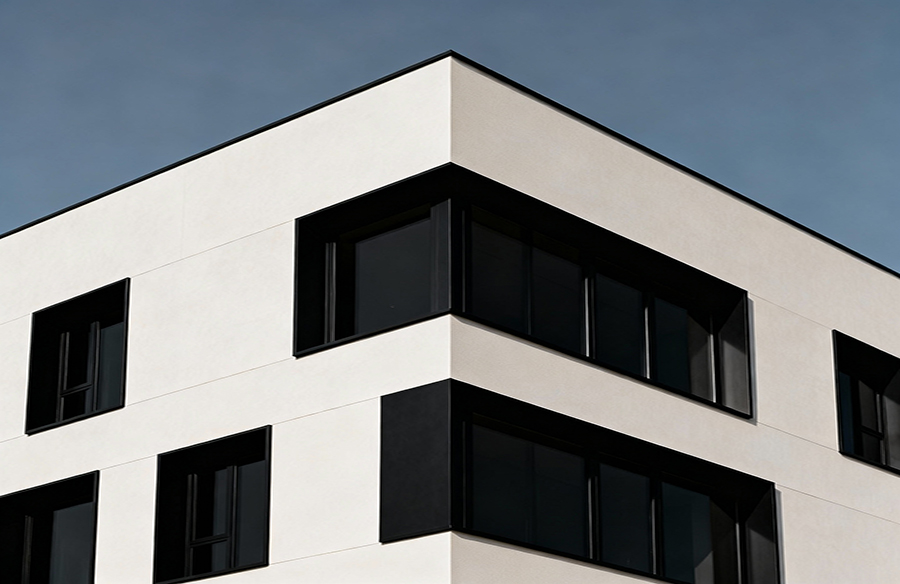
Architecture speaks through contrasts, and few design decisions communicate as powerfully as the deliberate choice to frame light with darkness. The resurgence of dark fenestration in contemporary built environments represents more than aesthetic preference; it signals a fundamental shift in how design professionals conceptualize the relationship between structure and void, opacity and transparency, tradition and innovation. When architects and homeowners explore contemporary black windows replacement for modern residential architecture or consider minimalist dark-frame window installation for architectural statement designs, they engage with a design language that transcends mere trend-following. This movement reclaims historical precedent while simultaneously pushing boundaries of what residential and commercial structures can communicate visually and experientially.
The sophistication inherent in dark window frameworks lies in their ability to simultaneously recede and announce, to frame views while becoming focal points themselves. Unlike conventional light-colored frames that attempt invisibility, dark frameworks embrace their architectural role as definers of space, creators of rhythm across facades, and mediators between interior and exterior realms. Understanding sophisticated black window frame transformations reveals why this approach resonates across architectural movements from industrial loft conversions to ultra-modern countryside retreats. Additionally, Dezeen’s coverage of minimal window systems demonstrates how dark frameworks have evolved from niche industrial applications into mainstream residential design solutions that define contemporary architectural character.
The conversation around dark window installations has matured considerably from early adoptions in avant-garde projects to widespread embrace across diverse architectural typologies. What began as edgy statements in urban lofts and experimental residences has evolved into a sophisticated design vocabulary accessible to and appropriate for virtually any building seeking elevated visual presence and refined material expression.
Historical Precedent Meets Contemporary Sensibility
Industrial architecture of the 19th and early 20th centuries employed steel-framed windows out of necessity rather than aesthetic ambition. Factories, warehouses, and manufacturing facilities required maximum natural light for worker productivity while steel frameworks provided necessary structural support for expansive glazing. These utilitarian origins created an unintentional design legacy that contemporary architects have reimagined as intentional aesthetic choice.
The Crittall window, developed in England during the 1880s, epitomizes this industrial heritage. Originally designed for greenhouse and factory applications, these steel-framed windows featured narrow profiles that maximized glass area while minimizing visual obstruction. Their characteristic grid patterns and dark metal frames became synonymous with industrial architecture, creating visual rhythms across massive factory facades that balanced repetition with elegant proportionality.
Contemporary reinterpretation of this industrial vocabulary removes utilitarian constraints while retaining and refining aesthetic qualities. Modern dark-framed windows employ advanced materials that deliver superior thermal performance, structural integrity far exceeding historical precedents, and fabrication precision that allows custom configurations impossible with traditional manufacturing methods. The result honors historical DNA while fulfilling contemporary performance requirements that would have seemed fantastical to early industrial architects.
Material Honesty and Visual Clarity
Dark window frames make explicit what light frames attempt to conceal: the necessary structural reality of glazing systems. Rather than pretending frames don’t exist through color matching with adjacent walls or attempting visual disappearance, dark frameworks acknowledge their architectural function while transforming necessity into design opportunity. This material honesty aligns with broader contemporary architectural values emphasizing authenticity over artifice.
The visual clarity dark frames provide proves particularly valuable in buildings where architectural intention requires emphasis. Clean lines read more distinctly when delineated by dark boundaries against lighter backgrounds. Geometric compositions gain definition and impact through high-contrast framing that guides perception and creates hierarchies of visual importance. Interior spaces benefit from clearly defined boundaries between solid and void, particularly in open-plan configurations where spatial definition comes from subtle cues rather than physical barriers.
Photographic qualities of buildings with dark fenestration explain partially why these designs proliferate across architectural media. High contrast creates images that reproduce well across various formats, from print publications to digital screens to social media platforms where architectural ideas now circulate globally. This visual communicability shouldn’t be dismissed as superficial; buildings that photograph compellingly often translate to spaces that feel equally compelling in person, as the same visual principles that create strong images also generate powerful spatial experiences.
Psychological Impact and Spatial Perception
The psychology of dark frames operates through multiple mechanisms that affect how occupants perceive and experience spaces. Dark boundaries around glazing create floating plane effects, where glass surfaces appear suspended within walls rather than punched through them. This subtle perceptual shift makes openings feel lighter and more refined despite using visually heavier frame colors.
Interior perspectives benefit dramatically from dark exterior framing visible from inside. The dark perimeter creates picture-frame effects that draw attention to views while simultaneously making those views appear more vivid through contrast enhancement. Natural landscapes seem greener, urban skylines appear more dramatic, and even modest views gain compositional strength when bordered by dark frames that focus attention and eliminate visual competition from frame materials.
Daylight behavior changes subtly but meaningfully with dark frames. Light entering through dark-bordered openings creates sharper transitions between illuminated and shadowed zones, enhancing spatial drama and making light itself more visually present. For spaces intended to showcase changing light conditions throughout the day, dark frames amplify these variations by providing consistent dark reference points against which shifting light patterns register more distinctly.
Technical Performance Considerations
Modern dark window systems deliver thermal and structural performance far exceeding visual precedents from industrial-era architecture. Advanced glazing technologies including low-emissivity coatings, gas-filled chambers, and sophisticated spacer systems integrate seamlessly with dark frames while meeting or exceeding contemporary energy codes. The darkness of frames relates purely to aesthetic choice rather than any technical limitation.
Material options for dark frames span diverse performance profiles suited to various applications and budgets. Aluminum systems offer exceptional strength-to-weight ratios enabling particularly slender profiles, superior durability requiring minimal maintenance throughout multi-decade lifespans, and excellent thermal performance when properly engineered with thermal breaks. Steel frameworks provide maximum authenticity for projects referencing industrial heritage, structural capabilities supporting the largest glazing configurations, and aesthetic qualities including narrow sightlines that maximize glass area.
Engineered wood and composite systems bring sustainability benefits and thermal performance advantages in certain climates while accommodating dark finishes through factory-applied treatments. Fiberglass options deliver dimensional stability across extreme temperature variations, resistance to corrosion in challenging environments, and design flexibility through various profile configurations. Selection among these systems depends on project-specific requirements around performance priorities, aesthetic goals, budget parameters, and contextual considerations.
Facade Composition and Architectural Grammar
Dark fenestration transforms facade design by creating strong compositional elements that organize and structure building exteriors. The high contrast between dark frames and typical wall materials establishes clear visual hierarchies, defines proportional relationships, and creates rhythms that give buildings memorable character regardless of overall architectural style.
Symmetrical compositions gain formality and presence when windows read as distinct dark elements against lighter backgrounds. The arrangement of these dark rectangles across facades creates patterns that reference historical precedents from Georgian townhouses to modernist pavilions while remaining unmistakably contemporary through material choices and detailing approaches. Asymmetrical configurations benefit from the visual weight dark frames provide, using concentrated window groupings to balance solid wall planes and create dynamic compositions that reward sustained viewing.
Grid patterns created by multi-lite dark frames subdivide larger glazing areas into human-scaled modules that relate comfortably to building proportions and occupant perception. These grids reference industrial antecedents while serving contemporary functions including structural support for large spans, emergency egress requirements, and aesthetic preference for articulated surfaces over monolithic glass expanses. The interplay between frame grid and building grid creates layered visual complexity that enriches architecture without adding physical ornament.
Interior Design Integration
Interior spaces respond positively to dark exterior frames visible from within, as these provide consistent visual anchors that ground rooms and create relationships between interior and exterior realms. The dark perimeter around windows operates similarly to picture frames, giving views compositional structure while the darkness recedes visually, allowing landscapes or cityscapes beyond to dominate attention.
Interior treatment of window areas gains flexibility when exterior frames read as distinct architectural elements. Light-colored walls can extend to dark frames without visual conflict, as the intentional contrast feels designed rather than accidental. Window treatments become optional rather than necessary for visual completion, as dark frames provide visual terminus that feels finished without additional layers. When treatments are desired, simplified approaches like single-layer linens or Roman shades complement rather than compete with strong frame presence.
Furniture arrangement benefits from clear window definition that dark frames provide. Rooms where openings read distinctly rather than blending into walls develop natural furniture groupings oriented toward or away from windows based on desired relationships with views and light. Dark frames help establish clear spatial hierarchies that guide layout decisions without requiring extensive deliberation.
Sustainability Through Longevity
The sustainability case for dark window systems extends beyond operational energy performance into longevity considerations that affect whole-life environmental impact. Quality dark-finished frames resist visible aging better than lighter alternatives, as minor surface imperfections, oxidation, and accumulated atmospheric deposits remain far less apparent against dark backgrounds. This resistance to visible wear translates to extended perceived lifespan before replacement feels necessary for aesthetic reasons.
Factory-applied dark finishes on aluminum and steel systems provide exceptional durability compared to field-applied paints requiring periodic renewal. Powder-coat and anodized treatments form molecular bonds with base materials, creating surfaces that resist chipping, fading, and deterioration across decades of exposure. The elimination of refinishing cycles reduces maintenance requirements, associated labor and material costs, and disruption to building occupants while preventing environmental impacts from repeated coating applications.
Energy performance of dark frames themselves proves negligible in properly engineered systems where thermal breaks isolate exterior and interior surfaces. Historical concerns about dark materials increasing thermal gain apply primarily to solid materials where color affects heat absorption throughout entire cross-sections. In contemporary window systems where frames consist of multiple materials with deliberate thermal separations, exterior surface color impacts overall thermal performance minimally compared to glazing specifications, frame design, and installation quality.
Cultural Context and Global Adoption
Dark fenestration’s global embrace reflects its cultural flexibility across varying architectural traditions and aesthetic preferences. Scandinavian countries integrate dark frames seamlessly with traditions of material honesty and restrained detailing. Japanese architecture finds resonance between dark frames and historical use of dark wood and charred timber in temple and residential construction. European contexts from industrial British cities to Mediterranean villages adopt dark frames within vernacular building traditions while signaling contemporary interventions.
North American adoption initially concentrated in urban loft conversions where industrial references felt contextually appropriate before expanding into suburban and rural residential applications where dark frames mark contemporary insertions into traditional building stocks. The willingness to apply dark frames across diverse contexts suggests their fundamental architectural validity rather than context-specific applicability.
This global adoption demonstrates dark fenestration’s transcendence of trend status into broader architectural vocabulary applicable across varied situations. The approach proves sufficiently neutral to accommodate multiple architectural languages while providing enough character to elevate otherwise ordinary buildings into memorable architecture through considered material choice and careful detailing.
Implementation Strategies for Design Professionals
Successful dark window integration requires thoughtful consideration from early design phases through construction documentation and quality oversight during installation. Proportional relationships between frame width, glazing divisions, and overall window sizes require careful calibration to achieve intended visual effects without unintended heaviness or visual imbalance.
Mock-ups and physical samples prove invaluable for verifying appearance, as dark finishes photograph and render differently than they appear in person under varying light conditions. What appears elegantly dark in photographs can read as merely black in certain lighting, while appropriately calibrated darkness reveals subtle color shifts between charcoal, bronze, and blue-black tones that enrich facades through nuanced variation.
Detail coordination between windows and adjacent materials determines success or mediocrity in dark frame installations. Junction treatments between frame and wall require precise execution to maintain clean lines without visible gaps or compressed sealants that compromise visual clarity. Flashing integration, water management strategies, and structural support details all require careful coordination to achieve aesthetic goals while meeting performance requirements.
The Path Forward
Dark fenestration represents more than momentary fashion; it constitutes fundamental reconsideration of how glazing systems participate in architectural expression. By rejecting the false modesty of frames attempting invisibility and embracing their role as compositional elements, dark windows enable architecture that communicates more directly about its intentions, materiality, and relationship to historical precedent while remaining unmistakably contemporary.
For design professionals seeking to create architecture that balances tradition and innovation, respects material honesty while achieving refined aesthetics, and delivers both immediate visual impact and sustained interest through careful compositional development, dark fenestration offers proven strategies with room for individual interpretation. The approach provides sufficient flexibility to accommodate diverse architectural visions while maintaining coherent design language that transcends stylistic boundaries.
The built environment benefits when design decisions carry intentionality rather than defaulting to conventional choices made primarily through inertia. Dark windows exemplify such intentional choice, representing architects and clients willing to engage thoughtfully with architectural possibilities rather than accepting standard solutions. This willingness to consider alternatives, evaluate options against project-specific criteria, and commit to designs that express considered judgment rather than safe neutrality ultimately elevates architecture from commodity construction into meaningful cultural production that enriches communities and advances the discipline.