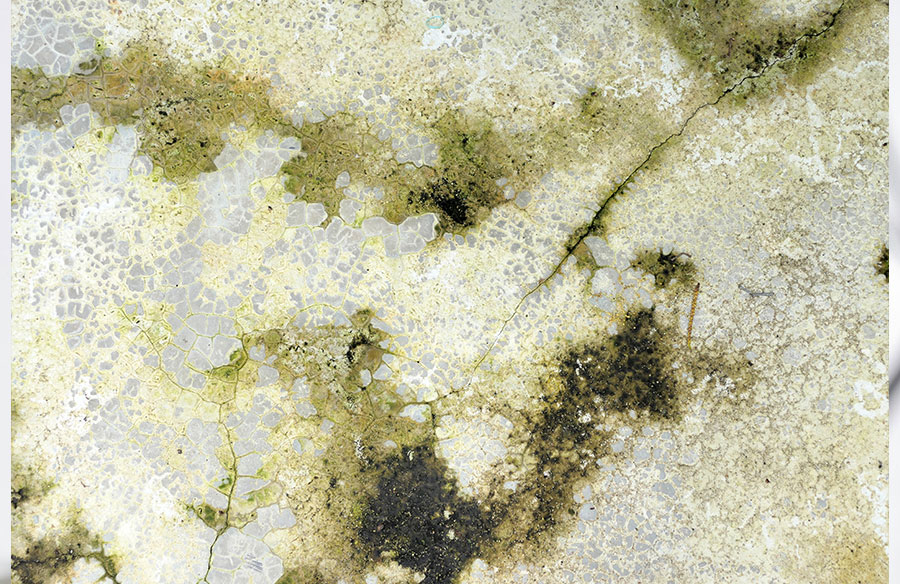
The discovery of black mold, scientifically known as Stachybotrys chartarum, can be a distressing experience for any property owner. Often appearing as slimy, blackish-green patches, this type of mold thrives in damp, dark environments. Beyond its unsightly appearance, black mold poses significant risks to both a building’s structural integrity and the health of its occupants. Addressing it requires a systematic approach grounded in scientific principles, moving from accurate identification to thorough removal and, finally, effective prevention.
Mold is a natural part of the environment, but when spores find a moist surface indoors, they can multiply rapidly. Black mold is particularly notorious because certain strains can produce mycotoxins—toxic compounds that can cause health issues in susceptible individuals. According to the Centers for Disease Control and Prevention (CDC), exposure to damp and moldy environments may cause a variety of health effects. For people sensitive to mold, it can lead to symptoms like a stuffy nose, wheezing, and red or itchy eyes. For people with allergies to mold or with asthma, reactions can be more intense. This makes swift and correct remediation not just a matter of property maintenance, but of public health.
Spotting the Signs of a Black Mold Problem
The first step in combating black mold is accurate identification. While the most obvious sign is visible growth, mold often hides in unseen places. Being aware of the secondary indicators is crucial for early detection before an infestation becomes widespread.
A persistent, musty, earthy odor is one of the most common signs of hidden mold. This smell is produced by microbial volatile organic compounds (MVOCs), which are gases released by the mold as it grows and digests organic material. If you notice this odor, especially in areas prone to dampness like basements, crawl spaces, or bathrooms, it warrants a closer look.
Water damage is a direct precursor to mold growth. Stains or discoloration on walls, ceilings, or floors are tell-tale signs of moisture issues. Even if the area feels dry to the touch, the underlying materials like drywall or insulation could still be damp enough to support a thriving mold colony. Warped walls, peeling paint, or bubbling wallpaper also indicate a moisture problem that could be feeding mold behind the surface.
Health symptoms can also serve as an alert. If you or other occupants experience a sudden onset of unexplained allergic reactions, respiratory irritation, or chronic sinus congestion that seems to improve when you leave the property, it could be linked to indoor air quality compromised by mold.
The Dangers of Incomplete or DIY Removal
When faced with a mold problem, the temptation to handle it with household cleaners and a bit of scrubbing is strong. However, this approach is often ineffective and can even be dangerous. Simply spraying a bleach solution on the surface of visible mold does not address the root network, or mycelium, that has grown into porous materials like wood and drywall. The mold may appear to be gone, but the roots remain, and it will almost certainly grow back.
Furthermore, improper cleaning techniques can disturb the mold colony, causing it to release a massive cloud of spores into the air. These spores can then travel through the HVAC system and contaminate other areas of the building, turning a localized problem into a property-wide infestation. This cross-contamination significantly complicates the remediation process and increases the potential for health-related issues. Without proper containment and air filtration, a DIY attempt can make the situation far worse.
Professionals are trained to handle these challenges safely. They use specialized equipment and follow strict protocols to contain the work area, preventing spores from spreading. This level of containment is nearly impossible to achieve without professional-grade materials and knowledge.
The Professional Remediation Process
Effective black mold removal is a multi-stage process that goes far beyond simple cleaning. It involves a scientific methodology designed to identify the source of the moisture, eliminate the mold, and ensure the air is safe to breathe. This process is highly regulated in many areas, requiring certified technicians who adhere to established industry standards.
The first step is always a thorough assessment. A professional will conduct a detailed inspection to determine the extent of the mold growth and identify the moisture source that is allowing it to thrive. This may involve using moisture meters and infrared cameras to detect dampness hidden within walls or under floors. Air and surface samples might be collected and sent to a laboratory for analysis to confirm the mold species and concentration of spores.
Once the scope is understood, containment is established. The affected area is sealed off from the rest of the property using thick plastic sheeting and negative air pressure machines. These machines create a vacuum effect, ensuring that any disturbed spores are pulled out of the building rather than spreading inward. This step is critical for protecting the unaffected parts of your property.
Next comes the removal of contaminated materials. Technicians use specialized equipment, including HEPA (High-Efficiency Particulate Air) vacuums, to carefully remove mold from non-porous surfaces. Porous materials that are heavily infested, such as drywall, insulation, and carpet, often cannot be salvaged and must be carefully bagged and discarded according to regulations. Trying to clean these materials is often a futile effort, as the mold’s root system is embedded deep within them.
After the mold-infested materials are gone, the area is thoroughly cleaned and sanitized. This is not a job for household cleaners. Professionals use specialized equipment like air scrubbers fitted with HEPA filters to capture any remaining airborne spores. They also apply EPA-registered antimicrobial agents to all affected surfaces to kill any remaining mold and prevent its return. Every surface, including wood framing and concrete, is meticulously cleaned and treated. The focus is not just on what is visible, but on eradicating the entire colony.
Ensuring Mold Does Not Return
Removing the existing mold is only half the battle. The final and most important phase of the process is addressing the underlying cause of the problem: moisture. Without correcting the moisture issue, mold will inevitably return.
The source of the water intrusion must be identified and repaired. This could be a leaking pipe, a damaged roof, a foundation crack, poor ventilation in a bathroom, or high humidity in a basement. Depending on the source, the fix could be simple or complex, but it is non-negotiable.
Improving ventilation is another key strategy. High humidity creates an ideal breeding ground for mold. Installing or upgrading exhaust fans in kitchens and bathrooms helps vent moisture-laden air outside. In chronically damp areas like basements and crawl spaces, using a dehumidifier can maintain a relative humidity level below 50%, which is generally too dry for mold to grow.
Finally, regular inspections can help you catch potential problems early. Periodically check under sinks, around windows, and in your attic and basement for any signs of leaks or dampness. The quicker you can address a moisture issue, the less likely it is that you will face another serious mold infestation. Professionals often use specialized equipment during follow-up inspections to confirm that moisture levels remain low and that no new growth has appeared.
Final Analysis
Dealing with black mold is a serious undertaking that demands a thorough and methodical response. It begins with recognizing the subtle signs of its presence, from a musty odor to unexplained water damage. While the instinct may be to attempt a quick fix, the risks of improper removal—including cross-contamination and failure to address the root cause—are substantial. Professional remediation provides a comprehensive solution that not only removes the existing mold but also safeguards against its return. By containing the affected area, removing contaminated materials, cleaning the air, and, most importantly, resolving the underlying moisture problem, you can restore your property to a safe and healthy state. Prevention through moisture control and regular vigilance is the ultimate key to keeping your environment mold-free for the long term.