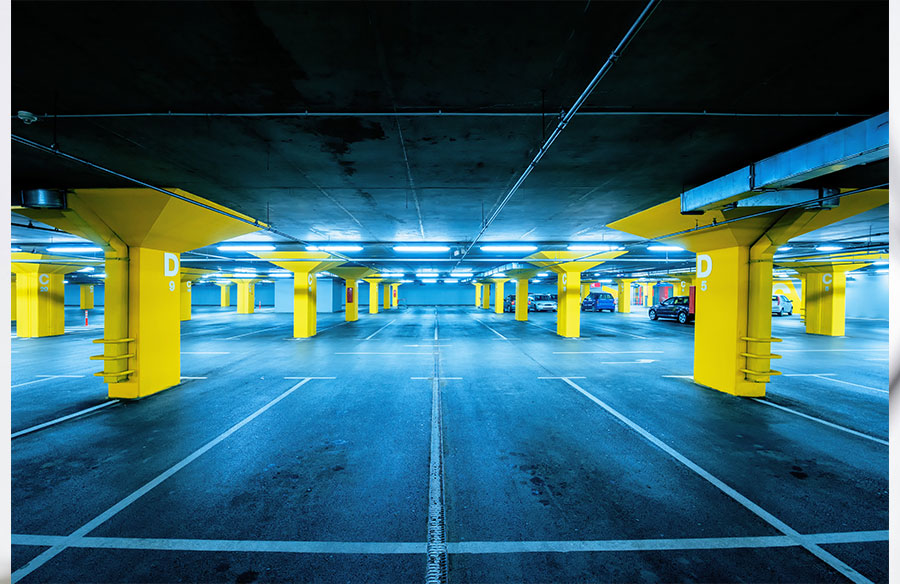
Parking lots are vital spaces that serve businesses and their customers, ensuring smooth traffic flow, secure parking, and a welcoming atmosphere. However, they are often overlooked when it comes to safety measures, despite being the site of numerous accidents each year. Proper parking lot striping is not just about creating a neat and organized appearance—it is also an essential aspect of safety. Well-marked lots can greatly reduce accidents, enhance pedestrian safety, and prevent damage to vehicles. By adopting proper safety measures, businesses can minimize risks, increase traffic efficiency, and improve overall customer satisfaction.
The Importance of Parking Lot Striping
Parking lot striping is not only a visual element; it plays a crucial role in guiding both pedestrians and vehicles through the lot in a safe and orderly manner. Parking lots are high-traffic areas, and without clear markings, there is confusion and chaos, leading to potential accidents. Proper striping guides vehicles to park correctly, directs pedestrian traffic away from moving cars, and prevents accidents caused by unclear lanes or poorly marked spots. This, in turn, enhances safety for both drivers and pedestrians alike, making parking lots safer for everyone.
The benefits of well-executed parking lot striping go beyond simply creating an aesthetically pleasing environment. For instance, it ensures that vehicles are parked in an organized manner, thereby maximizing parking space and reducing congestion. Additionally, properly delineated lanes improve vehicle movement, reducing the likelihood of accidents and traffic jams. This becomes particularly important for businesses with high customer foot traffic, where safety and efficiency are paramount. Properly marked spaces also enhances safety by providing clear guidance to drivers, reducing confusion and minimizing the chance of accidents.
Enhanced Safety Through Clear Markings
The primary function of parking lot striping is to enhance safety, and it achieves this in several key ways. First and foremost, clearly marked parking spaces keep vehicles within their designated areas, preventing them from encroaching on pedestrian zones or other parking spaces. This simple but essential measure prevents the risk of collisions between cars, as well as between cars and pedestrians. It also enhances safety by ensuring a smooth flow of traffic and reducing the chances of any accidents caused by unclear markings.
In addition, striping helps create clearly defined pedestrian walkways that guide people safely to and from their vehicles. By separating vehicles from foot traffic, parking lots reduce the risk of pedestrian accidents, ensuring that individuals can move freely without the danger of being struck by a car. This is particularly vital in busy areas where pedestrians are more likely to be distracted and not pay full attention to moving vehicles. In this way, the proper striping also enhances safety by helping to reduce the potential for accidents involving pedestrians.
Strategically placed directional arrows, stop lines, and loading zones further improve traffic flow and safety. These markings help drivers navigate the parking lot efficiently, reducing confusion and frustration. In areas with high vehicle turnover, ensuring clear and safe traffic patterns can prevent accidents that arise from erratic driving. This optimized flow of traffic also enhances safety, making it easier for drivers to find parking and reducing the likelihood of collisions.
Parking Lot Striping: A Safety Investment
Investing in parking lot striping goes beyond simply meeting regulatory requirements—it is an investment in your business’s safety, reputation, and liability reduction. A well-marked parking lot can help reduce the risk of accidents, which could otherwise lead to costly legal actions and increased insurance premiums. By ensuring that your parking lot is well-maintained and properly striped, you are also reducing your business’s exposure to potential lawsuits related to traffic accidents or injuries. Additionally, clear markings also enhances safety by creating a secure environment that is easier for drivers and pedestrians to navigate.
Clear parking lot markings are also an essential element of maintaining ADA compliance. Businesses are legally required to provide accessible parking for people with disabilities. Striping that includes properly marked handicap parking spaces, accessible routes, and proper signage helps ensure compliance with the Americans with Disabilities Act (ADA). This not only enhances safety but also protects your business from legal ramifications, demonstrating a commitment to inclusivity and accessibility. The inclusion of these features also enhances safety for individuals with mobility challenges, ensuring they can safely navigate the parking lot.
Regular Maintenance and Restriping
While parking lot striping may initially look pristine, over time, wear and tear from traffic, weather, and environmental factors will cause it to fade. This deterioration can make parking lots less safe and reduce their overall effectiveness. It’s essential to regularly inspect and maintain the markings to ensure their visibility and clarity. Restriping is typically required every 18 to 24 months, depending on factors such as traffic volume, weather conditions, and the type of paint used.
Faded or cracked lines can confuse drivers and pedestrians, leading to accidents. Additionally, businesses should keep an eye out for other issues, such as damaged curbs or broken signage, that can affect safety. Regular maintenance is essential not only for safety but also for maintaining a professional and well-organized appearance that positively reflects the business to its customers. This consistent upkeep also enhances safety by ensuring the lot remains in optimal condition.
Optimizing Parking Lot Safety Features
Parking lots should also consider additional safety features that can help prevent accidents and enhance the customer experience. These include:
- Proper Lighting: Adequate lighting ensures that drivers and pedestrians can see where they are going, reducing the risk of accidents at night. Proper lighting also enhances safety by making it easier for people to navigate the lot in low visibility conditions.
- Speed Bumps: These are essential for controlling the speed of vehicles in the parking lot, ensuring that drivers are moving at safe speeds.
- Signage: Clear signage, including “Stop” signs, pedestrian crossing signs, and directional signs, helps guide drivers and pedestrians safely through the lot.
- Surveillance Cameras: Installing security cameras can act as a deterrent to reckless driving and also enhance security for both vehicles and pedestrians.
These features complement striping and make the parking lot a safer, more user-friendly environment for all.
Enhancing Accessibility and Traffic Flow
Proper striping can also enhance the overall flow of traffic within the parking lot, helping customers find parking spots faster and reducing the amount of time spent driving around looking for a space. This not only improves the customer experience but also reduces the chances of accidents caused by impatient or distracted drivers. Efficient traffic flow also enhances safety by minimizing congestion and the likelihood of collisions.
For businesses with specific needs, such as those with high volumes of delivery vehicles or customer foot traffic, custom striping solutions can be implemented. These may include designated areas for loading and unloading, areas for electric vehicle charging, or additional spaces for oversized vehicles. Custom striping ensures that the lot functions efficiently, improving both vehicle flow and safety.
End Note
In summary, parking lot striping is an essential safety measure that not only enhances the visual appeal of a property but also plays a crucial role in preventing accidents and improving traffic flow. Clear markings, including parking spaces, pedestrian walkways, and directional arrows, guide both drivers and pedestrians, ensuring that everyone can navigate the lot safely. Regular maintenance and restriping are vital for maintaining these safety features and ensuring compliance with legal requirements, such as ADA accessibility. By investing in proper parking lot striping and safety features, businesses can enhance safety, reduce liability, and create a welcoming environment for their customers.
Incorporating these safety measures helps create a secure, well-organized parking environment that benefits both the business and its customers, ensuring that everyone can stay alert and stay secure. This investment in safety not only enhances the parking experience but also demonstrates a business’s commitment to the well-being of its customers, making it a win-win for all involved.