Jakarta is a city defined by density and dynamism, its cultural energy constantly shifting, yet constrained by a lack of inclusive public spaces. Venues for performance, exhibition, or education often feel rigid and institutional, unable to capture the fluid character of its communities.
Project Name: Kinematic Pavilion
Studio Name: Helen Agustine Studio
Location: Jakarta, Indonesia
Completion: 22 February 2024
Size Area: 80 m2
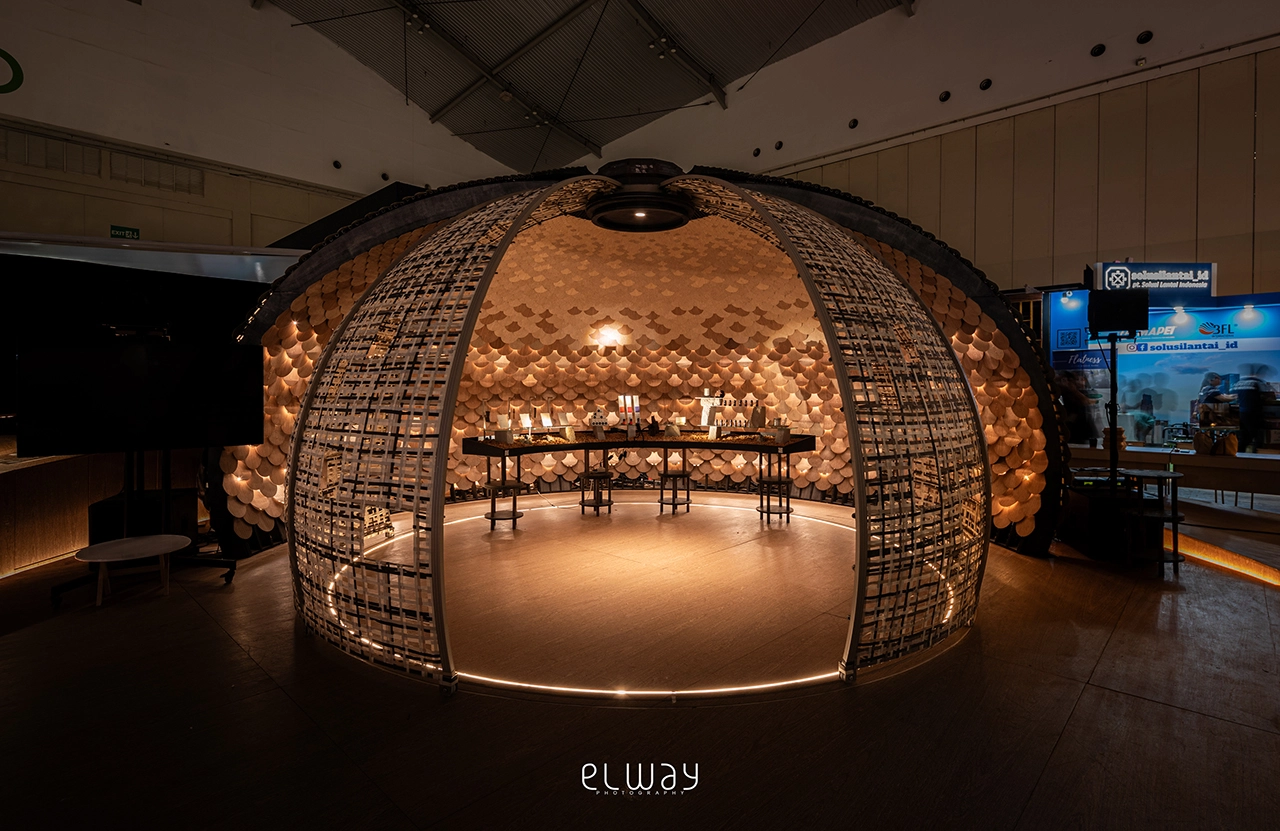
In a city where creative activities often lack accessible infrastructure, Kinematic Pavilion offers a counterpoint to this challenge, an architectural installation that is transformative, movable, and adaptable to different sites, functions, and communities.
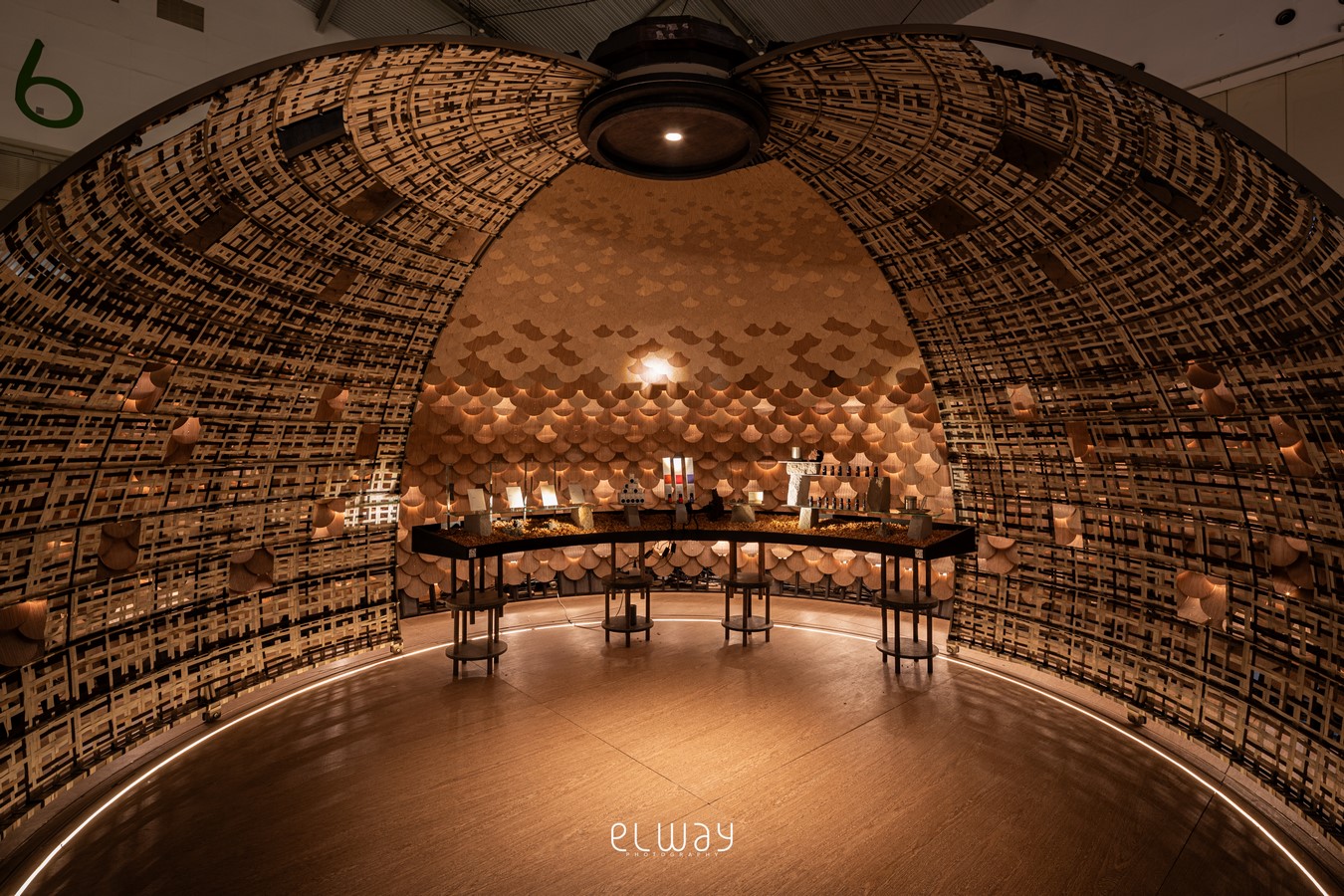
The pavilion serves multiple functions from performance platform to exhibition stage, from urban landmark to interactive instrument. It merges technology, craftsmanship, and sustainable material exploration while remaining grounded in the social and spatial realities of Jakarta.
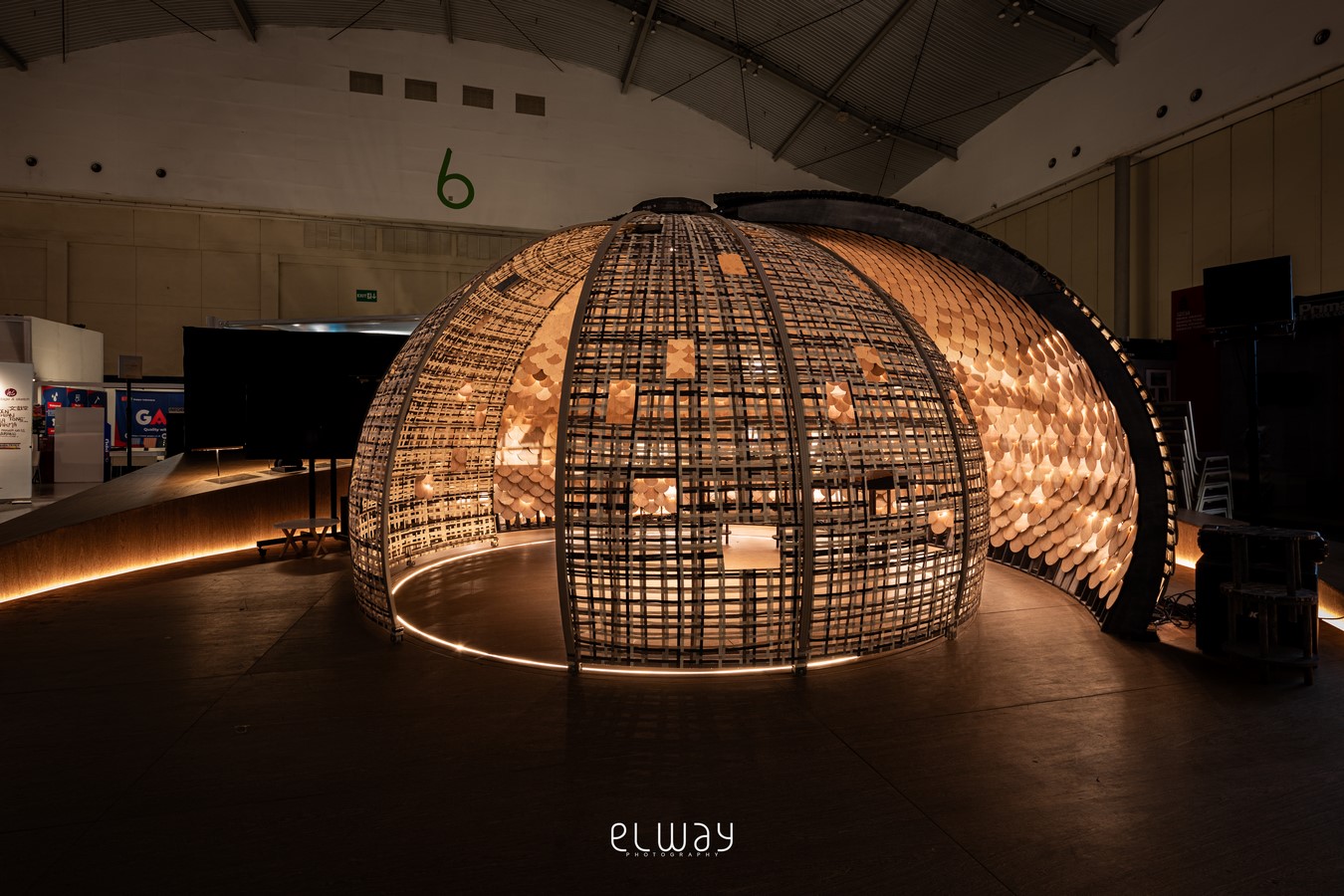
From Performance Stage to Musical Architecture
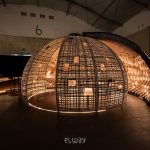
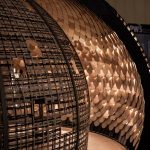
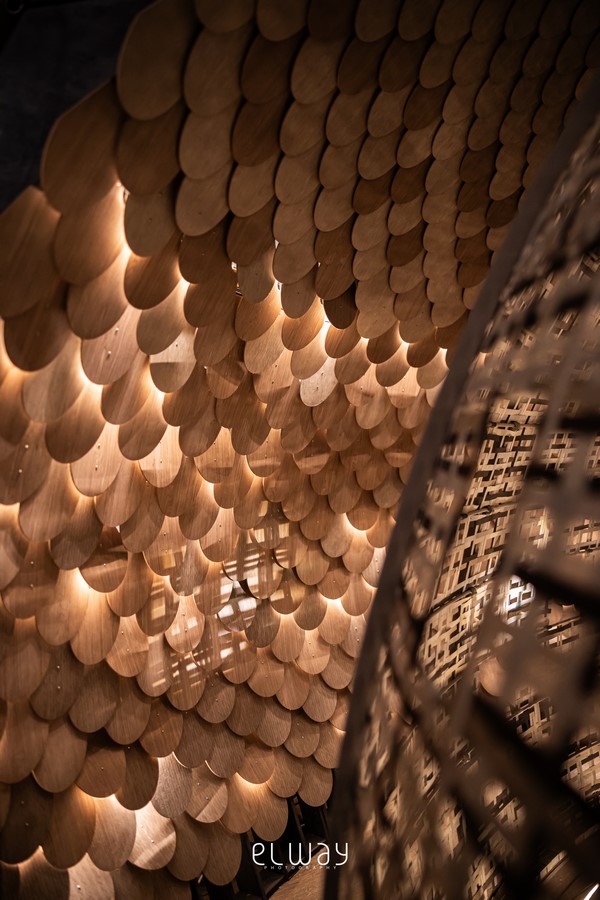
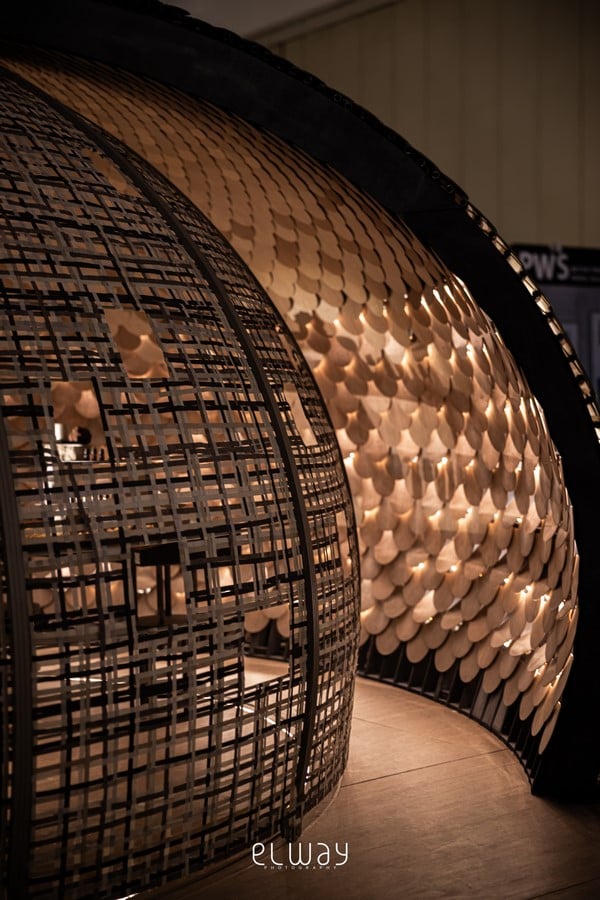
Kinematic Pavilion was first developed as a mobile stage for an architectural event, exploring the relationship between architecture and dance. Its dome-shaped form was inspired by the mechanics of a camera lens that capable of opening and closing to create immersive 360° spatial experiences. Performers and visitors became part of the installation, shaping and activating the space through movement and interaction. Robotic & kinetic system were attached to the inner layer skin, programmed to move in rhythm with music, creating a responsive architectural backdrop for performance. Patinated copper plates were chosen for their recyclability as the outer skin of the installation, which will age gracefully over time when exposed to the sun. Discarded roller blinds were cut and woven into rotating domes structure, recalling the lightweight traditional stage curtains.
When relocated to a forest site in Bintaro, the pavilion was reimagined as an open, analog musical architecture. The dome was reused, but its skin was removed to engage directly with nature. New addition such as tongophone percussion instruments made from lead-free PVC pipes, tuned by musicians to simple scales, to encourage spontaneous and inclusive musical collaboration across ages and backgrounds. In its second life, the pavilion became both performance space and the performer, an evolving, multisensory cultural experience. Drums and flooring made from recycled plastic and rice husks explore new musical and tactile qualities of upcycled materials. This installation not only reuses material, but also reuses the steel structure itself, adapting and redesigning it across different locations and communities, extending its life and meaning through reinvention.

Kinematic Pavilion proposes a progressive model of adaptive, inclusive design in Indonesia, challenging the idea of architecture as static or function-specific. In cities where space is scarce and cultural life often overlooked, it offers a evolving platform for experimentation and cultural life of its users. Rather than relying on spectacle, the pavilion embraces low-tech sensibilities rooted in craft, tactile interaction, and circular material use. Everyday materials such as woven blinds, recycled plastics, and PVC pipes are reimagined into sustainable, accessible components. By merging architecture, music, and community engagement, it transforms design from object into interactive experience that deeply connected to community.