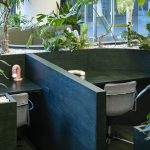
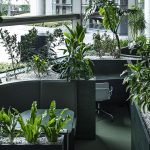
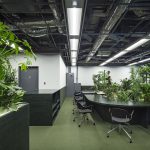
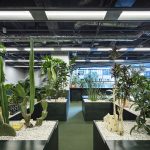
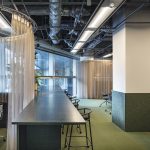
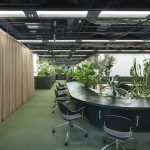
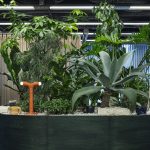
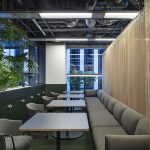
Learning and understanding things you didn’t know can change the way you see the world. Learning is a process that allows us to see the world at a higher resolution and understand how it is overflowing with things we don’t know. Learning inspires new questions, which in turn spark curiosity, and curiosity stimulates a cycle of further learning. Delving deeper into things, driven by curiosity and a desire to learn further, enriches our lives. Thanks to the cumulative efforts of our predecessors, the world has gradually taken shape.
Project Name:KOKUYO DIG
Studio Name: DDAA (Interior Design Direction)+ KOKUYO(Interior Design)
Location: Minato-ku, Tokyo
Date of completion: December / 2024
Total site area: 494㎡
Project Team: Daisuke Motogi / Taiki Nakamura / Yui Yokoi (DDAA)
Photo: Kenta Hasegawa
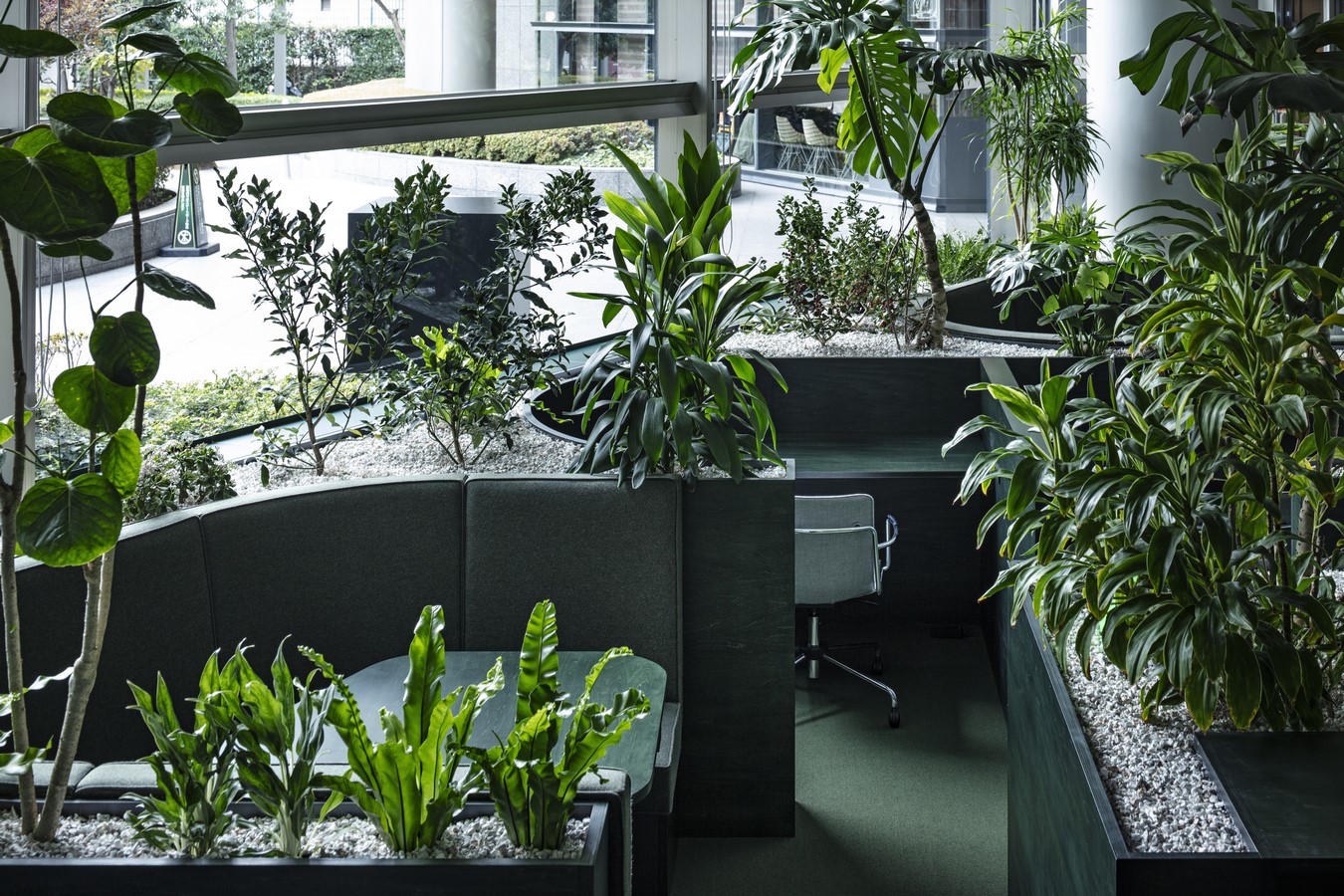
When Kokuyo asked us to create a space based on the theme of “learning,” where their employees could spontaneously explore their interests and expand their knowledge, we were very interested in the theme itself, but honestly, we had vague doubts about whether we could successfully create a “space for learning.” This was because while one can provide an “educational” function in terms of delivering and receiving information, one cannot control others’ curiosity and spirit of inquiry that are at the root of learning.
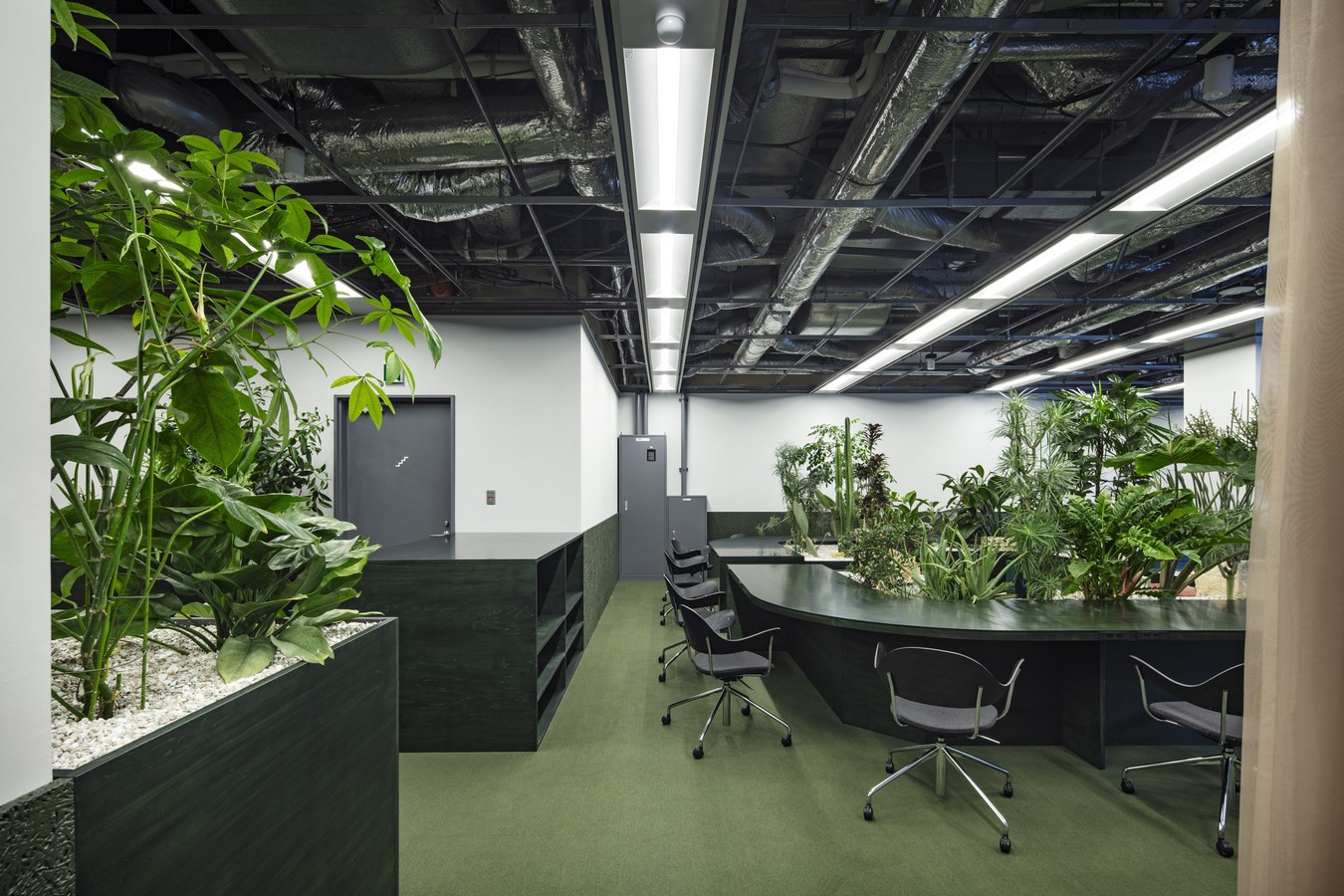
However, we may be able to support such spontaneous learning by addressing it from an architectural and spatial viewpoint. And while the answer to the big question of what a space for learning should be may not be immediately apparent, thinking about it is not a waste of time. In addition, the company’s commitment to creating a space that promotes spontaneous learning among employees and the sharing of knowledge across business divisions will undoubtedly benefit the entire organization and lead to further growth in the long run. DDAA also wants to build a team that centers on this cycle of learning and curiosity, and pursue our projects with the same mindset.
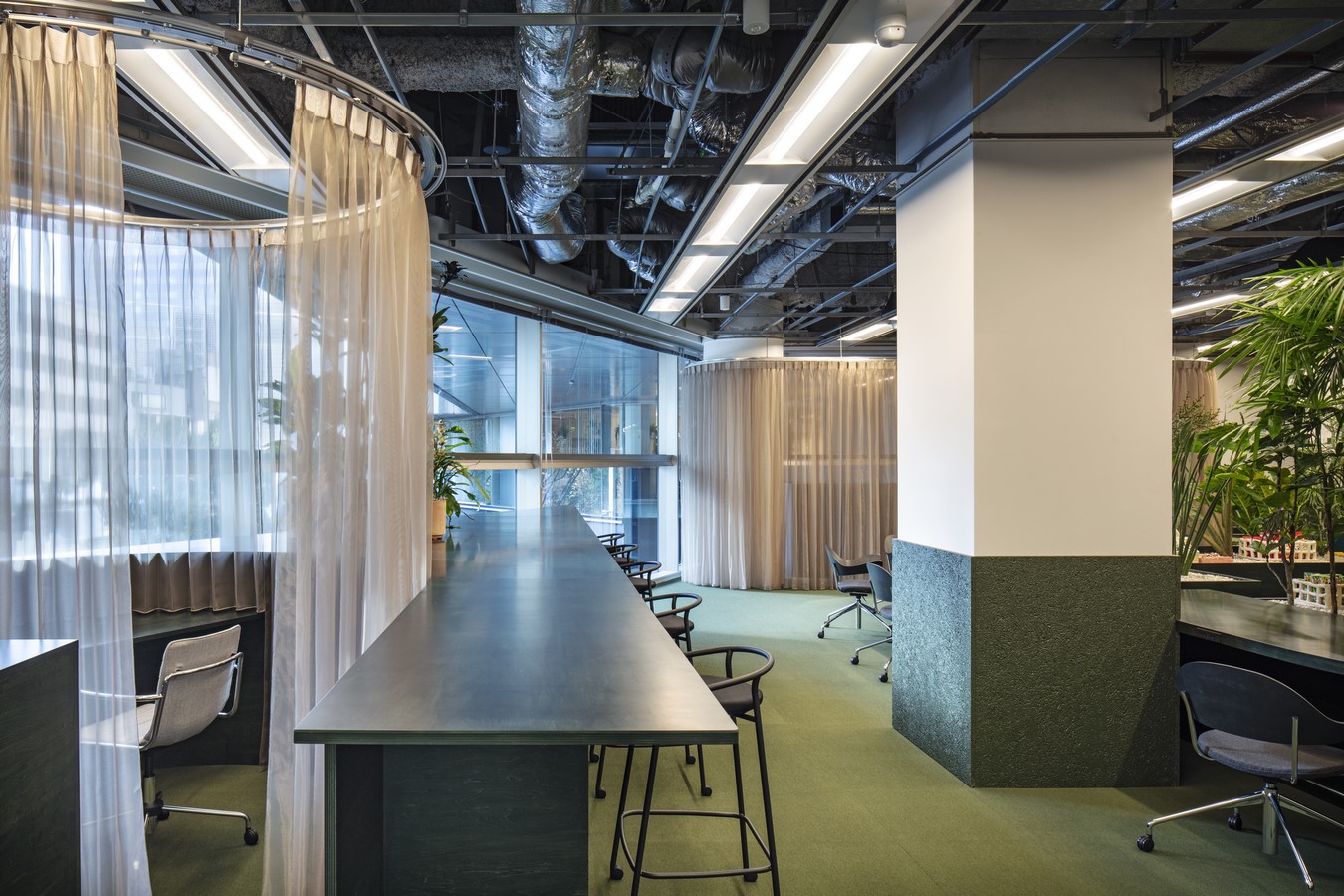
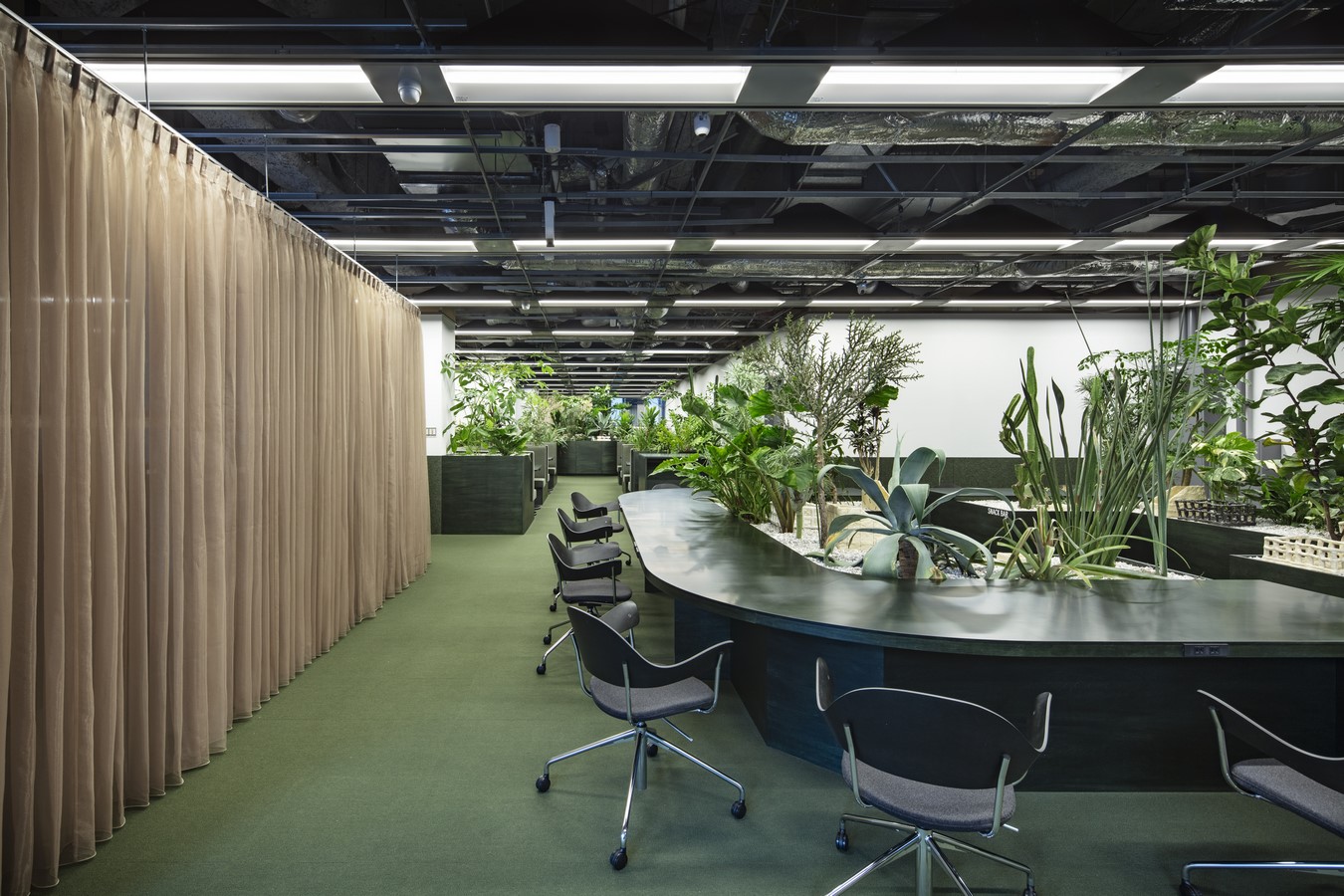
Furthermore, we wanted the process of this project, which explored the concept of a “space for learning,” to be a learning opportunity in itself. To this end, DDAA undertook the direction and collaborated with KOKUYO’s design team to carry out the project. They learned about our design process, which differed from their usual way of working, while we collaborated with them to organize our design and research expertise into a shared methodology. By doing so, we aimed to make the project a learning experience for both parties. Now that the space is complete, we are currently compiling a book that summarizes the design process for this project.
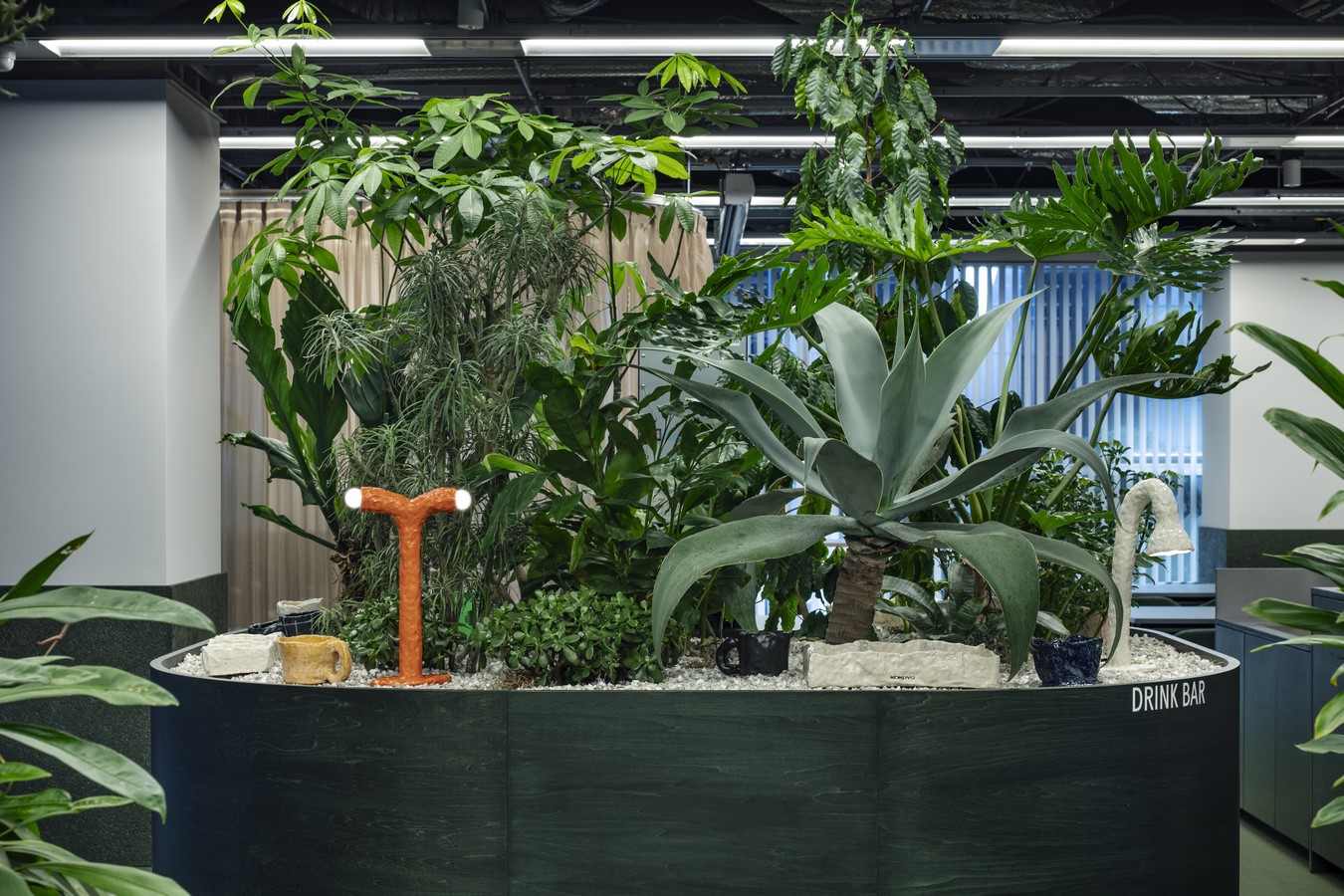
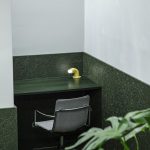
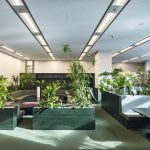
What does it mean to support “learning” spatially? As mentioned earlier, one’s curiosity and desire to explore cannot be manipulated by others, but we wanted this place to serve as a platform to accommodate those who possess these desires. While it is essential to have a comfortable space where you can concentrate on your work without distractions, the presence of understanding colleagues and peers will foster positive interactions. A conversation overheard from the next seat may become a catalyst for something. We could leverage spatial and environmental elements to facilitate such situations. We wanted to create a state where each person can learn spontaneously while sharing their passion and information with others, in other words, a space where the contradictory elements of “concentration” and “sharing” can coexist.
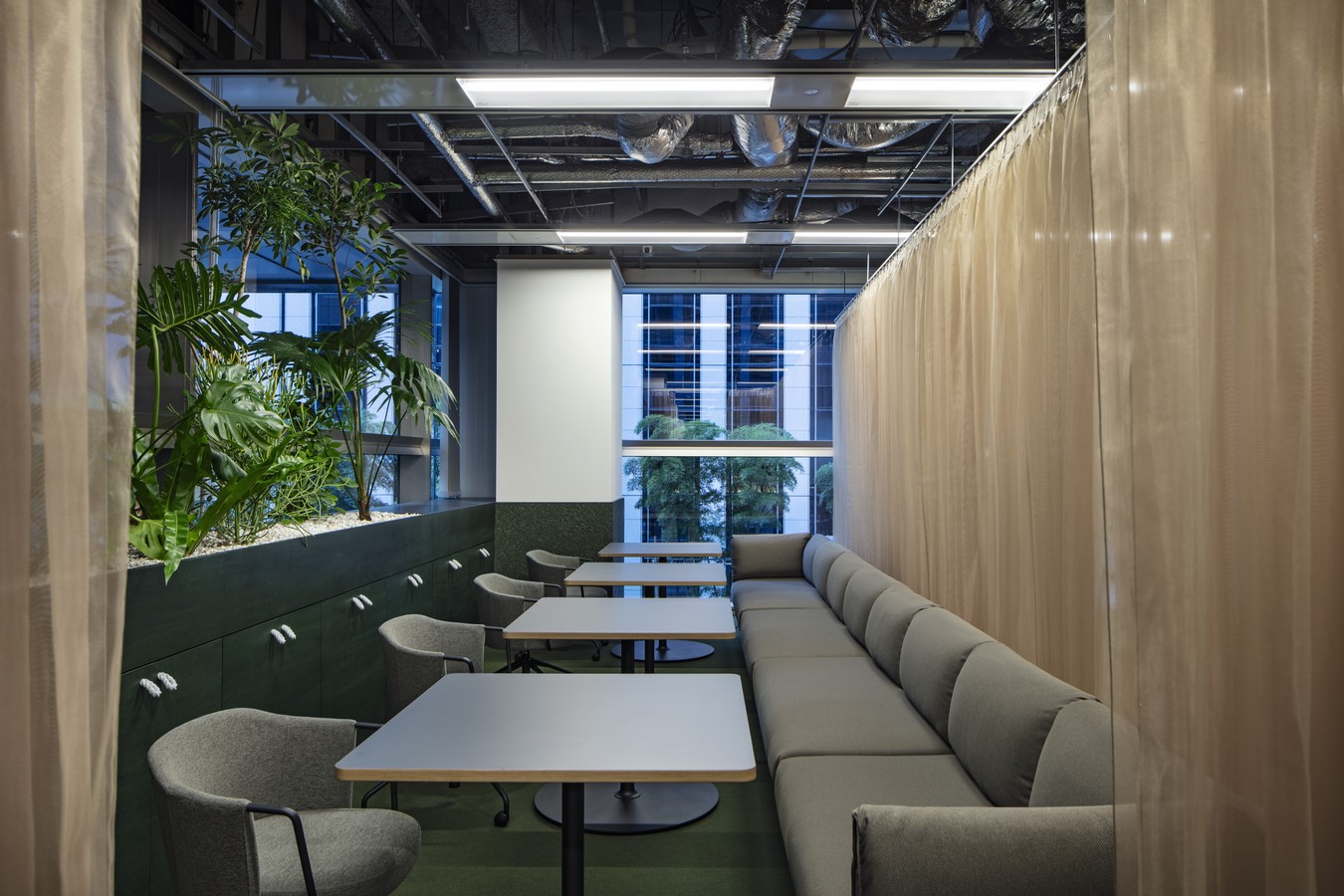
With that in mind, we decided to use family restaurants as a reference for this project. Family restaurants, which are typical chain restaurants widely visited by many people in Japan, are not just places to eat. They offer a certain freedom for customers to engage in various activities: one would study for exams with friends and concentrate on their work without worrying about the time, or sometimes couples would get into petty squabbles there. Family restaurants are open 24 hours a day, offering a drink bar and light meals. Some of the customers are concentrating on something, while others are relaxing. We instinctively felt that the atmosphere, where everyone shares the space but feels free to do their own thing, could be applied to creating a space for both “concentration” and “sharing.”
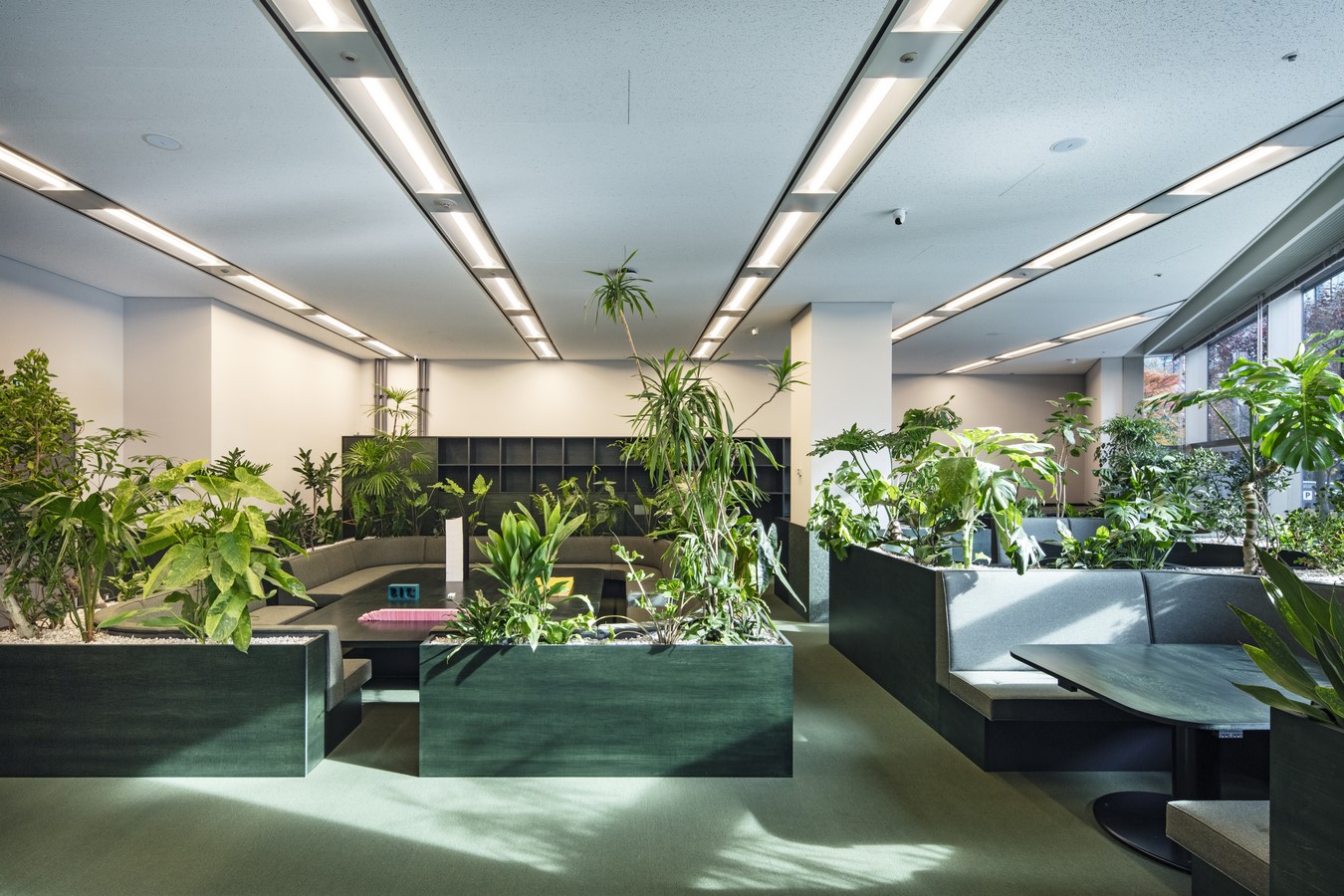
First, we conducted multifaceted research on family restaurants. We conducted extensive research, including the history of family restaurants and the industry, as well as the analysis of movies and song lyrics featuring family restaurants, and on-site measurements of modular furniture in various restaurants. Based on the findings, we identified the following three main elements that characterize the space of family restaurants and incorporated them into our design.