The landscape of contemporary audio production has been fundamentally transformed by the availability of comprehensive sound libraries and specialized effects packs. These meticulously curated collections represent decades of recording expertise, field work, and creative synthesis, providing audio professionals with instant access to sonic elements that would otherwise require extensive time, resources, and expertise to capture independently.
What distinguishes professional sound libraries from amateur collections lies not merely in recording quality, but in the systematic approach to cataloging, metadata organization, and creative preparation that makes these resources genuinely useful in high-pressure production environments. Each element within a quality library has been recorded, processed, and tagged with the specific needs of working professionals in mind.
The Evolution from Tape Archives to Digital Ecosystems
The concept of shared sound resources traces back to radio broadcasting’s golden age, when stations maintained physical tape libraries containing everything from door slams to thunderstorms. These early collections, though limited in scope and accessibility, established the fundamental principle that high-quality sound effects could be captured once and reused across multiple productions.
The digital revolution completely transformed this landscape, enabling not just easier storage and retrieval, but sophisticated layering, processing, and customization that was impossible with analog media. Modern libraries contain thousands of variations on common themes, each recorded in different acoustic environments and with varying intensities, giving sound designers unprecedented creative flexibility.
Today’s sound libraries incorporate advanced search capabilities, allowing users to locate specific elements using descriptive tags, frequency content analysis, and even audio-based similarity matching. This technological infrastructure has made sound libraries essential tools rather than convenient supplements to professional workflows.
Classification Systems and Organizational Approaches
Professional sound libraries employ sophisticated categorization systems that go far beyond simple subject-based filing. Multi-layered taxonomy structures account for emotional context, intensity levels, duration ranges, and frequency content, enabling rapid location of precisely appropriate elements during time-sensitive projects.
Genre-specific organization has become increasingly important as different entertainment mediums have developed distinct sonic vocabularies. Game audio libraries prioritize seamless looping capabilities and dynamic responsiveness, while film-oriented collections emphasize naturalistic perspectives and spatial characteristics that support cinematic storytelling.
Metadata richness distinguishes professional libraries from casual collections. Each sound file contains detailed information about recording conditions, microphone placement, processing applied, and suggested usage scenarios. This contextual information proves invaluable when sound designers need to match existing elements or create coherent sonic environments.
Industry-Specific Specialization and Target Markets
The gaming industry has driven development of highly specialized sound packs designed for interactive media requirements. These collections prioritize technical specifications like seamless looping, multiple intensity variations, and formats optimized for real-time audio engines. Combat sound packs might include dozens of weapon variations, each recorded from multiple perspectives and processed for optimal clarity within complex game mixes.
Film and television libraries emphasize naturalistic recording approaches and spatial authenticity that supports suspension of disbelief. Foley-style collections capture the subtle variations in everyday sounds that make fictional environments feel lived-in and believable. Footstep libraries, for instance, might contain hundreds of variations covering different surfaces, shoe types, walking styles, and recording perspectives.
Broadcast and podcast production has spawned its own category of sound libraries optimized for voice-over integration and quick deployment. These collections prioritize clean, focused sounds that won’t compete with dialogue while providing professional polish to relatively simple productions.
Recording Methodologies and Quality Standards
The creation of professional sound libraries involves sophisticated recording techniques that go far beyond simply capturing sounds in isolation. Field recording specialists travel globally to capture unique acoustic environments and culturally specific sounds that cannot be replicated in studio settings.
Controlled studio recording allows for precise capture of mechanical sounds, impacts, and other elements that benefit from acoustically neutral environments. Many libraries combine both approaches, offering the same conceptual sounds recorded in different acoustic contexts to provide maximum flexibility during post-production.
Multi-microphone recording techniques have become standard practice, with many libraries providing simultaneous close, medium, and distant perspectives of the same events. This approach allows sound designers to choose appropriate spatial characteristics for their specific applications without requiring additional processing to achieve desired perspectives.
Integration with Modern Workflows and Digital Audio Workstations
Contemporary sound libraries are designed for seamless integration with professional audio software, featuring drag-and-drop functionality, automatic tempo detection, and intelligent key mapping that accelerates creative workflows. Advanced libraries include stems and component layers that allow sound designers to customize individual elements within complex soundscapes.
Cloud-based delivery systems have revolutionized library accessibility, enabling instant downloads and streaming preview capabilities that eliminate the delays associated with physical media. Subscription-based access models provide ongoing content updates and expanding collections that grow with production needs.
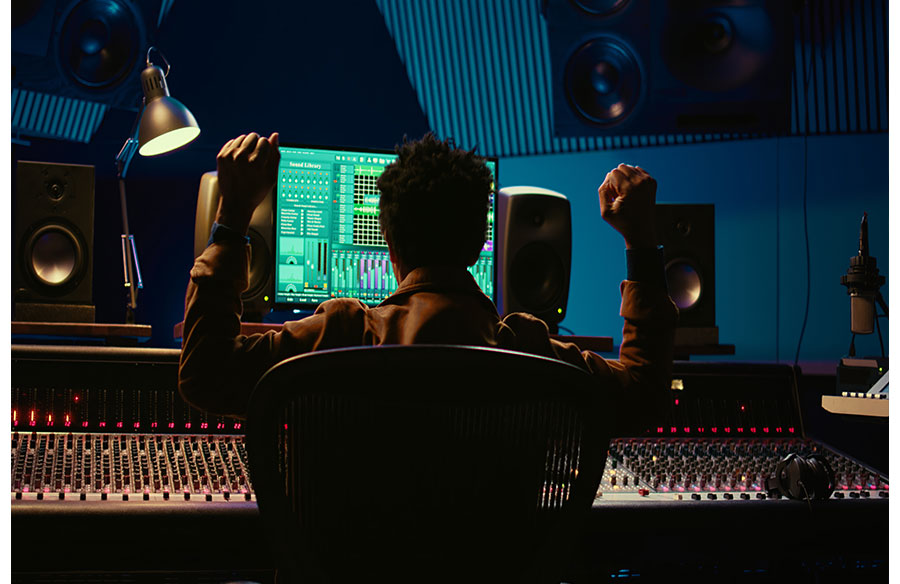
When professionals browse a library through modern interfaces, they encounter sophisticated filtering systems that narrow down thousands of options to the most relevant candidates based on project-specific criteria. This technological advancement has made large libraries more usable rather than overwhelming.
Economic Impact and Creative Democratization
Sound libraries have fundamentally altered the economics of audio production by dramatically reducing the time and expense associated with custom sound design. Independent filmmakers and small production companies can now access the same quality sonic elements that were once exclusive to major studios with substantial budgets.
This democratization has elevated overall production standards across the industry, as audiences have come to expect sophisticated sound design even in low-budget productions. The availability of high-quality libraries has made professional-sounding audio achievable for creators who lack specialized recording equipment or acoustic expertise.
The creative impact extends beyond mere cost savings, as readily available libraries enable experimentation and rapid iteration that would be prohibitively expensive if every sound required custom recording. This accessibility has fostered innovation in sound design approaches and encouraged more adventurous creative choices.
Sound libraries and SFX packs have evolved from convenient resources into essential infrastructure supporting modern audio production across all media formats, fundamentally changing how creative professionals approach sound design and post-production workflows.