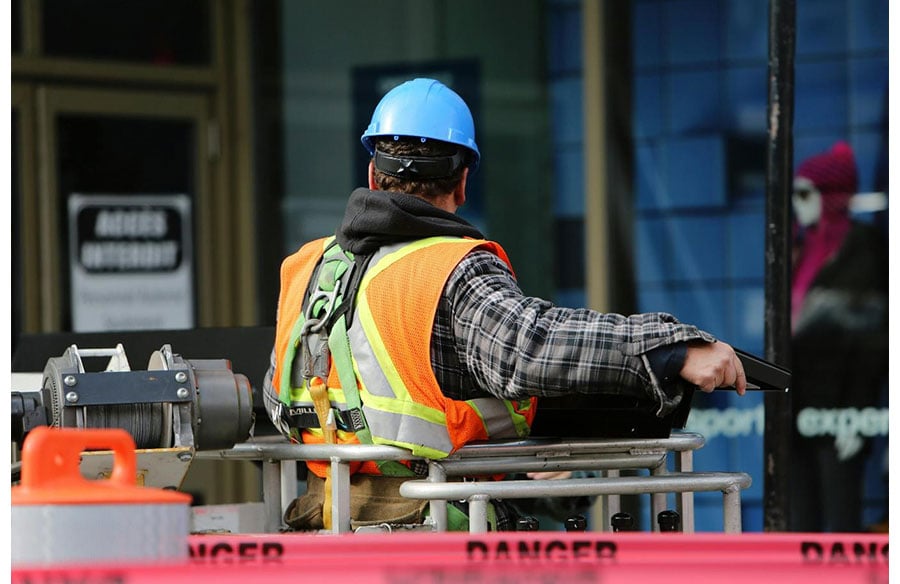
There would be no commercial real estate sector without there being construction companies. An architect will design the building; a construction company will build the property and real estate companies tend to sell the properties.
As CRE relies on construction companies and their efforts in making an idea and design a reality, it is natural that they have a hand in hand relationship. Let’s explore further the ways in which construction firms shape the CRE landscape and vice versa.
The Relationship Between CRE and Construction
To put it simple Commercial real estate (CRE) is a broad term that describes a piece of land or building that is primarily used for a business or means to an income rather than private residence. Businesses looking into a commercial property will liaise directly with a CRE broker or leasing agent who will help them find a property that matches their needs, preferences and long-term vision for the space.
These professionals will assist with choosing appropriate locations for companies, considering factors like zoning laws, accessibility and demographics. When the business has made its decision and the space is secure, the role of the construction team becomes essential.
How Construction Companies Can Grow their Business
Being involved in CRE projects helps construction companies to grow their business because they are forging a working relationship with developers, investors and brokers in the CRE sector. This helps to spread their name and create trust with high-profile individuals who may refer them for other projects. These companies can also learn a lot from being involved in the process, giving them an insight into market trends and experience with project management.
Construction companies can also leverage tools like CRM platforms, software and analytics to find commercial construction leads, streamline operators and keep a record of clients. Without these tools, construction companies would have to rely on manual processes and word-of-mouth which can be time-consuming and lead to missed opportunities that reduce their profits and damage their reputation. As a result, CRE professionals also benefit from having more trustworthy collaborators who can deliver projects efficiently on budget and in accordance with market trends.
The Impact of the CRE Sector on Construction Businesses
Construction companies are a valuable part of the CRE sector because they are the ones that build the properties. The overall design of the building comes into play but the actual outcome and quality of the build is extremely important.
A construction company makes their money by charging both the labor and the materials for the construction process. They go hand in hand will commercial real estate companies as they issue them projects that provide them with a steady income. This differs from other types of developments, such as private residential contracts or public infrastructure projects which will be affected by the timing in the year and government approvals.
Construction businesses do, however, have a direct impact on the CRE sector as well as the quality of the building has to be good. If the construction company was to cut any corners on materials or have a lack of detail in their process it may be difficult to sell the building as inspectors will find the floors.
Today, construction companies face several economic struggles. For example, the price of materials such as steel and concrete needed for projects is rising steadily. This can reduce profits and lead to extra stress. On top of this, it’s now more difficult to find construction workers, meaning there is a shortage of staff with more work to do spread among fewer people.
It’s worth noting that commercial real estate buildings are often much larger than residential properties, leading to more materials, labor and higher costs. This is because these CRE projects often have larger budgets than small-scale developments, allowing construction companies to better deal with rising prices. It’s also less likely that a CRE project will fall through because they typically involve wealthy investors and a long-term vision.
Final Thoughts
The Commercial real estate sector goes hand in hand with the construction business sector. Both thrive off of one another and their success depends on both areas. Despite construction companies facing roadblocks in today’s economy due to rising costs and harsher working conditions, there is still a steady flow of CRE projects creating a consistent workflow. Not only do they each provide a consistent and reliable revenue stream for one another, but they also build long lasting relationships. Through a level of trust and professionalism these industries will continue to work together and contribute to each other’s growth.