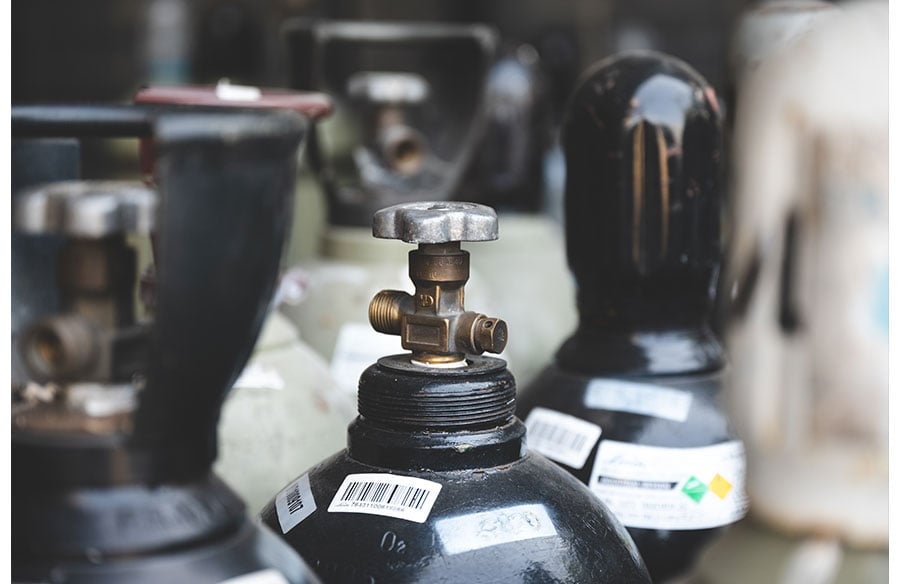
The construction industry in North America is going through major changes, and those changes are directly affecting the demand for gas cylinders. As construction projects become more complex and regulations grow stricter, contractors are using more types of gases than ever before. That shift brings both new opportunities and new challenges for construction companies trying to manage equipment and supply chains.
Gas cylinders may not be the first thing that comes to mind when people think about construction. But they play a central role in day-to-day operations. Understanding how demand is changing helps companies make smarter decisions about buying equipment, working with suppliers and manufacturers, and planning projects.
Gas Cylinders on Today’s Job Sites
Cylinders are everywhere on construction sites, with welding and cutting remain the biggest uses, with oxygen and acetylene still essential for structural work. Propane powers heaters, forklifts, and temporary lights and compressed air supports pneumatic tools that are now standard equipment for crews.
But the range of gases has expanded well beyond the basics. Specialty gases are more common today. Argon and helium help with precision welding on high strength materials and complex architectural features. Carbon dioxide is used in curing concrete and powering certain equipment. These applications reflect the shift toward more advanced building methods and more intricate designs.
Two decades ago, most sites only needed a handful of gas types. Now, mixed use developments and cutting-edge designs require a steady supply of specialty gases. That makes gas cylinders more important than ever in keeping projects moving on schedule.
Regional Growth Across North America
Demand for cylinders does not look the same in every part of North America. Each region has its own growth patterns based on the type of construction taking place.
Southeastern United States
The Southeast leads in overall volume because of rapid population growth and housing development. Residential projects, along with new commercial builds, create steady demand for high numbers of cylinders.
Western United States
The West stands out for specialty gas use. Infrastructure work and renewable energy installations often depend on precision welding, which requires consistent supplies of specific gases. Solar and wind projects in remote areas add distribution challenges, pushing suppliers to adjust how they move cylinders to job sites.
Canada
In Canada, cold weather creates unique demand. Propane use rises during long winters when heating systems and enclosures are needed to keep projects on track. The push to build year-round in northern regions makes heating and temporary enclosures a permanent part of construction planning.
Midwest United States
The Midwest has stable but shifting demand. Industrial builds use large amounts of standard gases but increasingly rely on specialty gases too. With strong infrastructure already in place, distribution is efficient, but changing project types force suppliers to adapt.
Technology in Gas Cylinder Management
Technology now plays a big role in how construction companies manage gas supplies. Digital tracking systems monitor cylinder use, predict replacement needs, and schedule deliveries. This prevents shortages that could delay work and reduces costs from overstocking.
Some systems monitor each cylinder’s pressure and track usage patterns. Project managers then plan more accurately and sometimes switch to more efficient gas setups. Contractors have reported lowering gas costs by up to 20 percent with better inventory management.
Mobile apps also connect crews directly with gas cylinder manufacturers. Instead of going through multiple approval layers, workers can request exchanges or emergency deliveries right from the field. This improves efficiency on large sites where many crews operate at the same time.
Automated ordering systems tie directly into project management software. They adjust deliveries based on changes in weather, crew size, or equipment use. That way, gas is always available when needed without creating unnecessary stockpiles.
Safety Regulations Shaping the Market
Safety standards are another big driver of change. New rules require improved ventilation in enclosed spaces, which affects how contractors plan interior work with gas cylinders. Some regions now require gas detection equipment, which influences the types of cylinders and systems chosen.
Training programs also put more focus on safe handling and storage. This creates demand for cylinders with better safety features, such as advanced valves and pressure relief systems. Many companies go beyond minimum requirements to protect their crews and limit liability.
Environmental rules also play a role. Certain gases are restricted in some areas, and manufacturers need to provide documentation that proves compliance. This has made contractors more selective about which manufacturers and distributors they work with.
Emergency planning now must include detailed steps for handling leaks, damaged cylinders, or site evacuations. These are requirements for how gas is stored and moved around on a job site.
Supply Chain Shifts and Challenges
The supply chain for gas cylinders continues to adapt. Many suppliers invest in regional distribution centers to cut delivery times and reduce transport costs. These hubs allow faster responses to emergencies and better support for remote projects.
Just-in-time delivery has also become more precise. Contractors and suppliers coordinate closely so cylinders arrive exactly when needed for each project phase. This reduces the need for large storage areas on site while keeping supplies reliable.
Transport regulations create new hurdles as well. Driver certification and routing rules affect how cylinders reach sites. Some suppliers are even investing in specialized vehicles built to handle construction site access and safety standards.
Cylinder return programs are also improving. Fast returns keep cylinders in circulation and help suppliers manage costs. These programs also align with sustainability goals that many contractors now emphasize.
Economic Pressures Affecting Demand
Several economic factors will determine how the market responds through 2030. Population growth supports housing demand, while federal and state infrastructure programs guarantee steady work for heavy construction projects.
Labor shortages are another factor. With fewer skilled welders available, contractors look for gases and equipment that help crews work more efficiently. The goal is to get quality results even with less experience on the team.
Material costs also matter. Rising steel prices push contractors to find more efficient cutting and welding methods. These methods often depend on consistent access to high-quality gases.
The energy sector adds another layer. Pipeline work, power plant builds, and renewable energy projects all require specialized gases, which influences regional demand.
Projections Through 2030
Analysts expect steady growth in gas cylinder demand through the decade. Residential projects will keep driving volume, but commercial and industrial construction will grow faster. Infrastructure projects tied to recent government funding will also support long-term demand.
Specialty gases are expected to expand the most. Advanced materials and precise building techniques need gases that were not widely used in the past. Contractors who train their crews and invest in the right equipment will be better prepared for this shift.
Regional demand will also change with climate patterns. Northern regions may extend building seasons, raising demand for heating gases. Regions in the South may adjust schedules based on heat, changing when cooling and ventilation needs peak.
Sustainability will influence cylinder design and logistics as well. Companies will look for a gas cylinder manufacturer who can support greener practices, more efficient deliveries, and better recycling programs. These factors will continue to determine how gas cylinders are used and supplied.
Why This Matters for Construction Companies
Gas cylinders are easy to overlook, but they are central to construction work. From welding steel to curing concrete to heating job sites, cylinders keep projects moving. As construction methods evolve, so does the demand for different types of gases.
Companies that watch these trends will make better choices about procurement gas cylinder manufacturer partnerships. They will also stay ahead of safety and environmental rules, which will only become stricter in the years ahead.
The market will keep changing, but one thing is certain. Reliable access to the right gas cylinders will remain critical to construction success in North America.