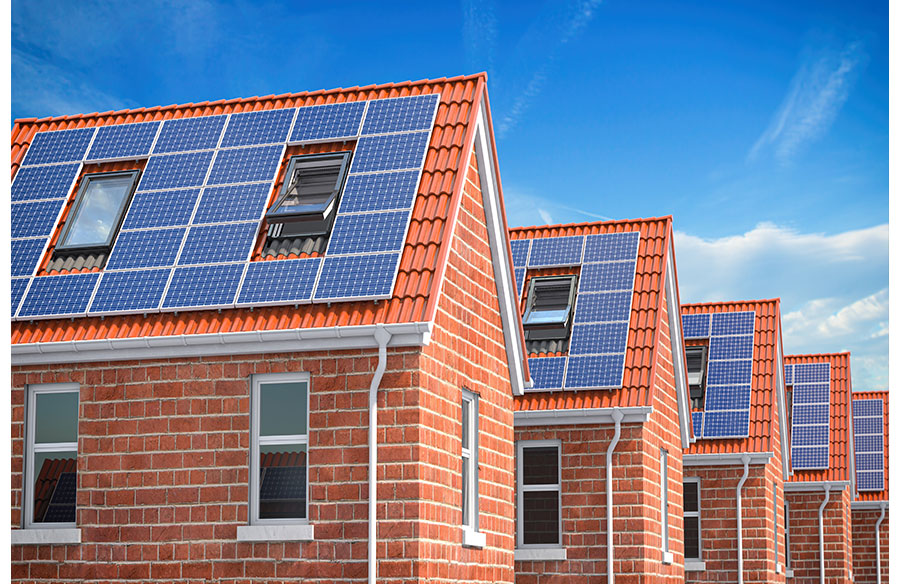
In recent years, the push for sustainable living has gained significant momentum, with governments, developers, and homeowners all recognising the benefits of renewable energy. One of the most effective ways to reduce reliance on fossil fuels and cut carbon emissions is through photovoltaic (PV) solar technology. While retrofitting older homes with solar panels is possible, integrating PV systems into new build homes offers far greater benefits. From financial savings to environmental protection, PV integration is rapidly becoming an essential part of modern housing design.
Meeting Government Regulations and Sustainability Targets
Across the UK and Europe, governments are setting ambitious carbon-reduction targets. For example, the UK government has committed to reaching net zero by 2050, with housing playing a central role in this effort. Building regulations now place increasing emphasis on energy efficiency and renewable energy use.
By incorporating PV solar systems directly into the design of new homes, developers can meet these sustainability targets more easily. Instead of adding solar panels as an afterthought, integration ensures the system is designed to work in harmony with the structure, orientation, and energy demands of the property.
Financial Savings for Homeowners
One of the most compelling reasons to integrate PV solar into new build homes is the financial benefit it brings to homeowners. According to PV Generation, once installed, PV systems generate electricity at no additional cost, reducing dependency on grid power and lowering monthly energy bills.
With energy prices fluctuating unpredictably, having a renewable energy source provides stability and long-term savings. Many homeowners can also sell excess electricity back into the grid under schemes such as the Smart Export Guarantee (SEG), creating extra income stream. Over the lifetime of a PV system, these financial savings can amount to tens of thousands of pounds.
Increasing Property Value and Market Appeal
Homebuyers are increasingly looking for sustainable features in their properties. A new build equipped with solar PV stands out in the housing market, offering not only lower energy bills but also alignment with environmentally conscious lifestyles.
Studies show that homes with renewable energy systems tend to sell faster and at higher prices. For developers, this means integrating PV solar into their projects can boost market appeal and attract buyers who prioritise eco-friendly living. For homeowners, it represents a long-term investment that enhances the property’s value.
Environmental Benefits of PV Solar Integration
The environmental case for PV solar integration is just as strong as the financial one. Unlike fossil fuel-based electricity, solar energy is renewable and clean, and does not produce harmful emissions during operation. By installing PV systems, new build homes can significantly reduce their carbon footprint from day one.
This shift to renewable energy contributes to reducing greenhouse gas emissions, improving air quality, and helping to combat climate change. For communities as a whole, widespread adoption of solar technology reduces reliance on centralised, fossil fuel-based power generation, creating a cleaner and more sustainable energy grid.
Seamless Design and Efficiency Advantages
When PV solar systems are integrated during the planning and construction stage, the benefits extend beyond cost and efficiency. Architects and developers can design homes with optimal roof orientation, pitch, and surface area to maximise solar capture. This ensures that the PV system operates at peak efficiency and blends seamlessly with the building’s aesthetic.
In contrast, retrofitted systems often face limitations due to shading, poor roof orientation, or structural constraints. By considering PV integration from the outset, developers can avoid these challenges and create homes that are designed to harness solar energy effectively.
Reducing Long-Term Energy Demand
New build homes are already subject to strict energy efficiency standards, incorporating high levels of insulation, double or triple glazing, and efficient heating systems. When PV solar technology is added into the mix, the result is a home that not only uses less energy but also generates its own.
This dual approach significantly reduces the property’s overall demand on the national grid. In the long term, widespread PV integration can ease pressure on the UK’s energy infrastructure, particularly during peak demand periods.
Supporting Energy Independence
Energy security has become an increasing concern in recent years. Geopolitical tensions, reliance on imported gas, and fluctuating fossil fuel markets all impact electricity prices and availability. By generating electricity on-site through PV solar, homeowners can become more self-sufficient and less reliant on external energy providers.
For households, this independence brings peace of mind, especially during times of energy uncertainty. For the nation as a whole, it reduces reliance on imported fuels, improving overall energy security.
Lower Installation Costs Compared to Retrofitting
Installing PV solar systems during the construction of a new home is more cost-effective than retrofitting them later. The installation process can be seamlessly integrated into the building schedule, reducing labour costs and minimising disruption.
Additionally, developers can benefit from bulk purchasing solar technology when equipping multiple homes within a development, driving costs down further. This cost-effectiveness makes PV integration into new builds a practical and affordable solution for developers and homeowners alike.
Future-Proofing New Build Homes
As technology evolves, energy systems must be adaptable. By integrating PV solar into new build homes, developers are ensuring that these properties are prepared for the future of energy consumption.
Smart home technology, electric vehicle charging, and battery storage systems are becoming increasingly common. PV solar systems work hand-in-hand with these technologies, allowing homeowners to store and manage their renewable energy efficiently. Homes without such integration risk becoming outdated more quickly, while solar-equipped homes are ready for the demands of modern living.
Contribution to Community and National Goals
Beyond individual benefits, PV solar integration contributes to wider community and national sustainability goals. Entire housing developments designed with renewable solar energy in mind can create “green communities,” where the collective reduction in energy demand and emissions is substantial.
On a national level, the widespread adoption of solar PV in new build homes supports the UK’s transition towards renewable energy, helping to meet climate targets and reduce dependence on fossil fuels. This collective effort is crucial in building a sustainable future for the next generation.
Conclusion
The integration of PV solar technology into new build homes is no longer an optional feature but a necessity for modern housing. From reducing household energy bills and increasing property values to cutting carbon emissions and enhancing national energy security, the advantages are undeniable.
By considering PV integration at the design and construction stage, developers can create homes that are future-proof, sustainable, and attractive to buyers. Homeowners, in turn, gain long-term financial savings and the opportunity to live more sustainably. On a broader scale, this shift supports the UK’s environmental goals and paves the way for a cleaner, greener future.