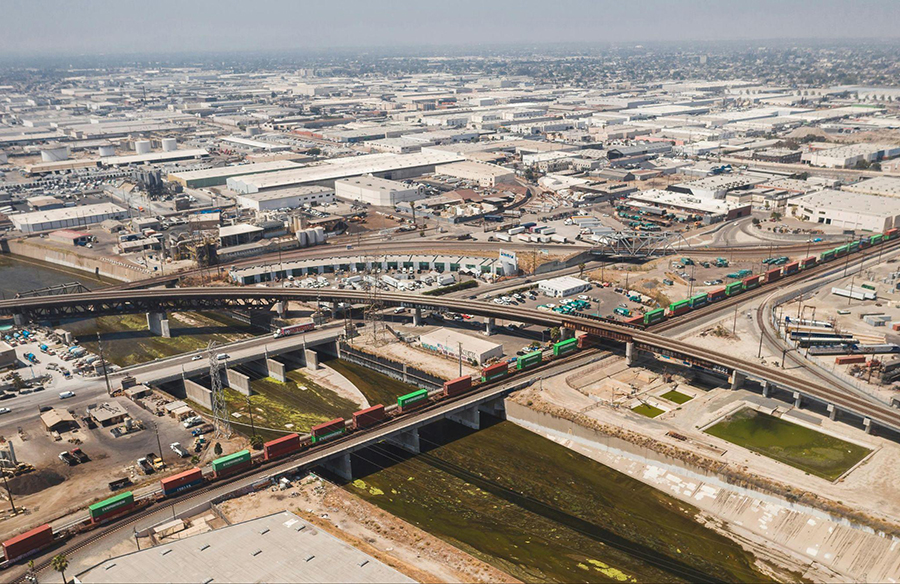
Cities are changing faster than ever. Streets that once carried mostly cars now host delivery vans, scooters, and cargo bikes. Warehouses pop up near residential areas. Shoppers expect orders to land at their doorsteps within hours.
Urban planning no longer deals only with roads, housing, and parks. It now has to handle the nonstop demands of e-commerce. Add the stress of seasonal shopping spikes, and city systems feel the pressure even more. Building resilient cities requires a fresh look at how goods move, how space gets used, and how technology supports it all.
Learning From Logistics Experts
Planners can take cues from logistics experts like SEKO Logistics who already face these challenges daily. Insights from SEKO’s guide to managing seasonal shipping show how preparation makes all the difference.
A city that accounts for heavy shopping seasons avoids bottlenecks and delays. This involves better traffic flow, smarter warehouse placement, and flexible delivery options. The idea is simple but powerful. Build a system that bends without breaking when demand surges.
Last-Mile Delivery Under the Microscope
One of the biggest pain points in urban planning is last-mile delivery. That final trip from the warehouse to the customer often creates the most congestion. Delivery vans block lanes. Bikes fight for space with pedestrians. Noise and emissions add to the strain.
Cities that want resilience need creative fixes. Some experiment with micro-fulfillment centers tucked into neighborhoods. Others add shared locker systems at transit hubs. These approaches ease road stress while giving customers fast access to their orders.
Seasonal Surges Shape Design Choices
Seasonal demand is not just about holidays. Weather changes, local festivals, and even global events can spike orders. Urban systems need flexibility baked in from the start. That might mean designing adaptable loading zones. It can also include creating streets that handle both normal traffic and temporary delivery spikes.
Data helps here too. If planners know when and where orders increase, they can shape infrastructure to absorb the pressure. Cities that fail to plan for these cycles end up with gridlock and frustration.
Warehouses Move Closer to Home
Traditional warehouses sit far outside city limits. That model no longer works as well. Customers want same-day delivery, and distance kills speed. New facilities now rise within city edges. Some even occupy repurposed buildings like old malls or office parks.
This trend reshapes land use in ways planners must address. Zoning rules need updates. Safety codes must cover mixed-use areas. A warehouse near a neighborhood brings jobs but also adds traffic. Balancing those outcomes is part of modern resilience.
The Role of Technology in Smarter Cities
No resilient city can survive without tech support. Sensors, real-time traffic systems, and predictive analytics keep everything running smoothly. Logistics companies already lean heavily on these tools. Cities are beginning to do the same.
Imagine smart lights that adapt when delivery trucks stack up. Or routing apps that redirect vans away from crowded school zones. Technology makes the invisible visible. It helps planners design cities that flex with demand instead of breaking under it.
 Sustainability and Public Expectations
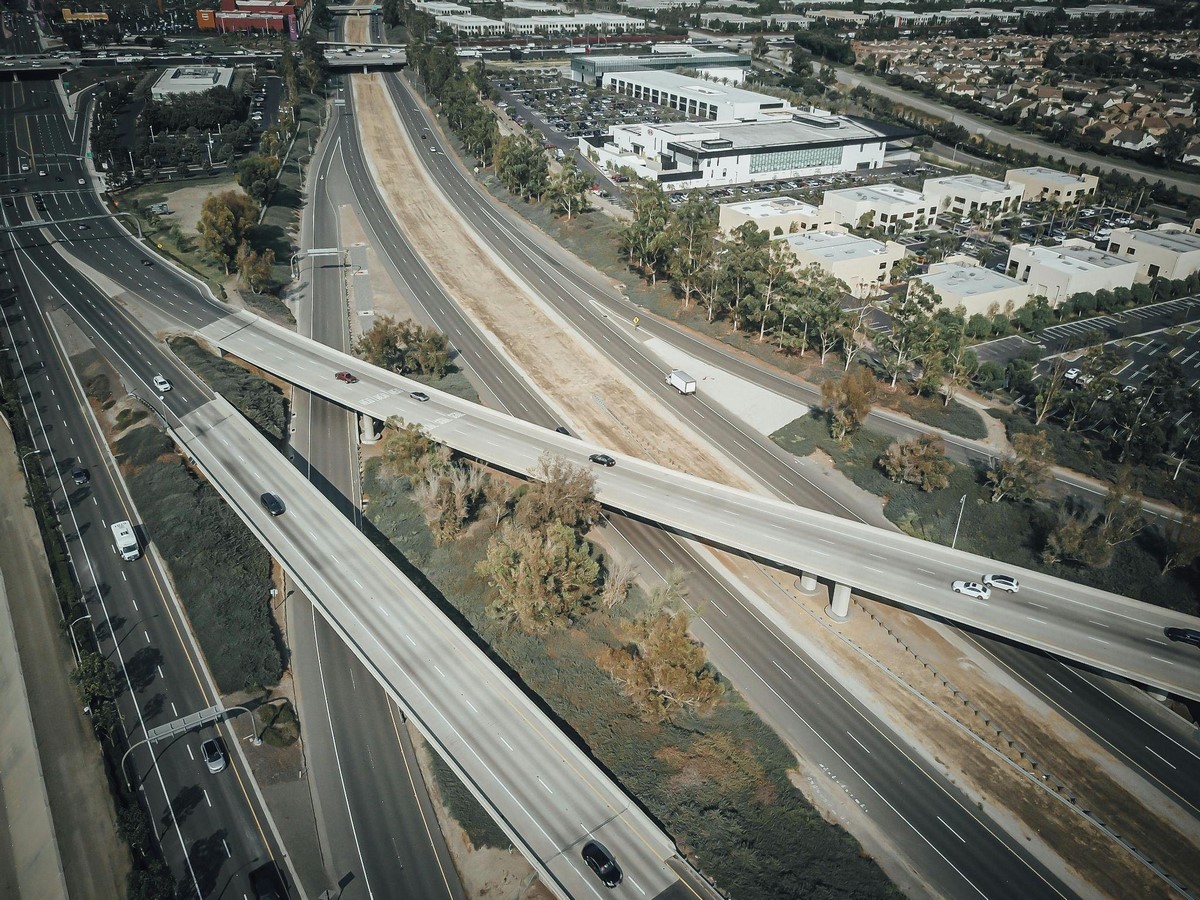
Resilience is not only about handling volume. It also means designing in ways that respect the planet. Residents want clean air and quieter streets. Cities answer with electric delivery fleets, green packaging zones, and dedicated bike lanes. Planners face the challenge of balancing speed with sustainability.
Resilient design makes sure both goals can live side by side. Customers stay happy with fast deliveries. Communities enjoy healthier neighborhoods. Everyone wins when resilience looks beyond numbers to quality of life.
Bottom Line
Urban planning sits at the crossroads of e-commerce and everyday life. Cities that adapt to seasonal demand and constant online shopping stay strong in the face of change. Lessons from logistics experts highlight the value of planning ahead. Last-mile delivery gets smarter with lockers and micro hubs. Warehouses move closer, and technology ties it all together.
Sustainability anchors every step. Resilience is not a distant goal. It is an ongoing process built into every design choice. The cities that thrive tomorrow are those that act today, shaping systems that keep goods flowing, streets clear, and communities strong.