Ever feel like your house is running you instead of the other way around? The leaking faucet, the drafty window, the clunky thermostat you have to wrestle with—these little frustrations pile up until your home feels like more work than comfort. It doesn’t have to be that way. Homes are meant to support the lives lived inside them, not compete for attention.
But the way we live has changed. Remote work, climate shifts, rising energy bills, and tighter schedules all put new pressure on households. A home that just “stands there” isn’t enough anymore. It has to adapt, anticipate, and respond to its people. That means looking beyond surface upgrades and focusing on how the systems inside your walls can quietly make life easier.
In this blog, we will share how to make your home work smarter, not harder, with strategies that blend comfort, efficiency, and practicality so your space becomes an ally, not another chore on your list.
Start with the Foundation, Not the Flash
When people think of smart homes, they often picture fancy gadgets: doorbells with cameras, refrigerators that talk, or blinds that move with an app. Those are nice, but they’re not what really changes how a house feels day to day. The smarter approach starts with core systems—the ones that determine comfort, efficiency, and long-term value.
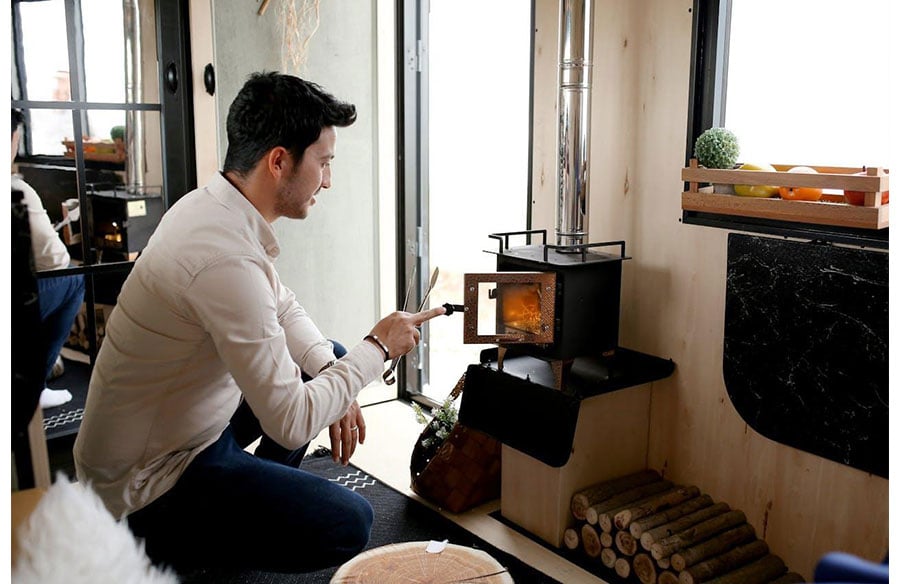
Take heating as an example. Nothing makes a home feel outdated faster than uneven temperatures or sky-high utility bills. Partnering with a heating system installation company is less about replacing old equipment and more about future-proofing your space. A well-chosen system doesn’t just warm your house; it stabilizes energy use, lowers costs, and reduces the constant fiddling with thermostats that drives everyone a little crazy. A good company will also size and install it correctly, which matters more than most people realize. The wrong fit leads to inefficiency and early breakdowns, while a proper installation can quietly serve you for decades.
This principle applies across the board. Gadgets can make life easier, but only if the underlying systems are solid. A smart thermostat is useless if the system it controls is inefficient. Solar panels won’t pay off if your insulation leaks. Start by strengthening the backbone of your home, then layer on technology where it makes sense.
Comfort That Doesn’t Demand Your Attention
A smart home doesn’t nag you. It runs smoothly in the background. The best upgrades make life easier without demanding more of your time. Imagine walking into a warm house in January without touching the thermostat, or lights that turn on when you enter a dark hallway without hunting for a switch. These touches seem small, but together they create a space that feels intuitive rather than stubborn.
Practical moves can get you there. Motion-sensor lighting in closets or entryways saves energy and makes daily routines simpler. Smart plugs can cut electricity to devices that sip power while “off.” Even programmable blinds can reduce summer heat and winter drafts, lowering utility bills without you noticing.
The irony is that the smartest systems are often invisible. You don’t think about them when they work. You just enjoy consistent comfort, fewer headaches, and smaller bills. The absence of stress is what makes a home feel truly modern.
Efficiency as the New Status Symbol
Not long ago, “luxury” in homes meant size—grand kitchens, giant tubs, or rooms you rarely used. Today, that definition is shifting. Efficiency is becoming the new marker of a modern, desirable home. A house that stays comfortable while consuming less energy is as impressive as one with granite counters and walk-in closets.
This shift is being driven by both economics and values. Energy prices are rising, and homeowners feel the strain in monthly bills. At the same time, awareness of climate change has made many people more conscious of their environmental impact. Efficient upgrades—like energy-smart appliances, sealed windows, or insulated attics—aren’t just practical anymore. They’ve become a way to align comfort with responsibility.
This new “luxury” also reflects how people live now. Life is busier, more digital, and often more stressful. A home that minimizes waste and maximizes comfort gives back something far more valuable than a marble countertop: peace of mind.
Flexibility for Changing Times
If the last few years taught us anything, it’s that homes need to flex. Living rooms became offices. Kitchens doubled as classrooms. Backyards turned into gyms. A home designed for a single purpose can feel restrictive when life changes quickly.
Smart planning makes flexibility possible. Modular furniture, multipurpose spaces, and adaptable layouts let rooms evolve as needed. Pair that with zoned heating, adjustable lighting, or smart storage solutions, and you get a house that can keep pace with life instead of falling behind.
This flexibility matters for unexpected moments too. Hosting relatives, enduring a week of bad weather, or managing an extended stay at home all feel easier when your house can bend instead of break under pressure.
Avoid the Trap of Overcomplication
Here’s the funny thing about smart homes: sometimes they’re too smart for their own good. Do you really need five apps just to manage lights, locks, and sprinklers? Probably not. A house that forces you to troubleshoot Wi-Fi or remember yet another password isn’t working smarter. It’s making you its assistant.
Simplicity should always be the goal. Choose systems that integrate easily, require little input, and actually solve problems. A thermostat that adjusts itself is smarter than one that needs constant reprogramming. A single hub that controls multiple devices is better than juggling apps.
In other words, the smartest house is the one that doesn’t make you think about how smart it is. It just works.
Looking Ahead
The future of housing won’t just be bigger or sleeker—it will be more responsive, efficient, and adaptable. As energy costs climb and technology becomes more embedded in daily life, homeowners will increasingly judge their houses not by their size but by how well they perform.
But performance doesn’t come from gadgets alone. It starts with strong foundations: efficient systems, thoughtful design, and upgrades that actually make daily life easier. From there, the right technology can elevate your home into a place that doesn’t just shelter you, but actively supports you.
When your house quietly keeps you warm in winter, trims your utility bills without asking, and flexes when life throws curveballs, that’s when you know it’s working smarter, not harder. And when your home works smarter, you get to live smarter too.