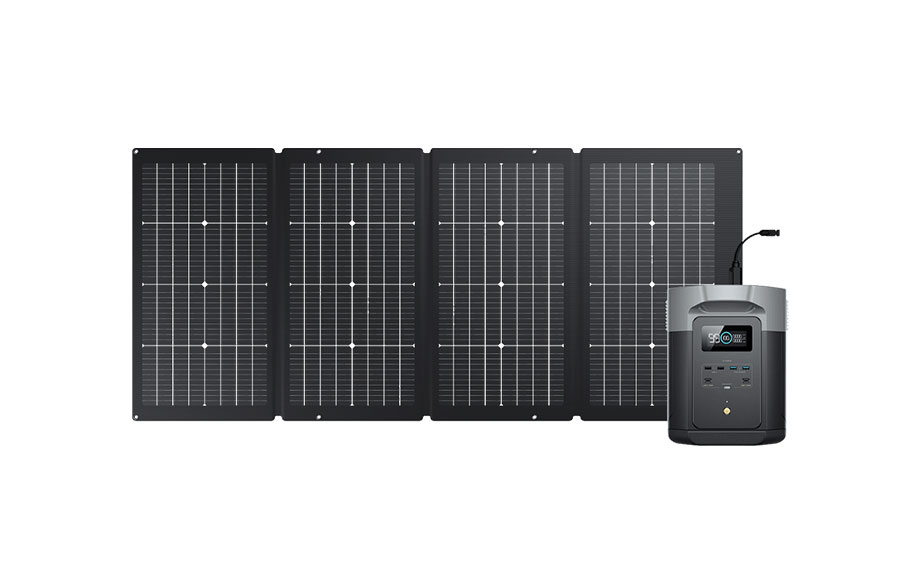
As energy costs continue to soar and climate change intensifies, homeowners and businesses face mounting pressure to find sustainable power solutions. Traditional grid dependency has long constrained our ability to make truly eco-conscious energy choices, leaving us vulnerable to outages and price fluctuations. Enter solar generators – a revolutionary approach that’s transforming how we achieve genuine energy independence. These versatile systems offer a unique combination of scalability, reliability, and environmental responsibility that traditional power solutions simply can’t match. By understanding the benefits of modular solar technology, implementing optimization strategies, and embracing the flexibility that modularity provides, anyone can take control of their energy future. This guide explores how these innovative systems are democratizing sustainable power generation and creating a path toward true energy sovereignty for households and organizations alike.
The Energy Independence Revolution: Why Modular Solar Generators Matter
Energy independence has evolved far beyond the traditional concept of living off-grid. Today, it represents a strategic approach to power management that puts control back in the hands of consumers while advancing environmental goals. Modular solar generators stand at the forefront of this revolution, offering a powerful combination of sustainability, cost control, and system resilience. These systems allow users to precisely match their power generation to consumption needs, eliminating waste and reducing environmental impact by up to 80% compared to grid dependency. The modular approach to battery storage proves particularly crucial, enabling incremental capacity expansion without the substantial upfront costs of traditional systems. Real-world applications demonstrate this flexibility’s value – from homeowners who started with basic backup systems and gradually expanded to full independence, to businesses that scaled their solar capacity alongside growth. During recent natural disasters, communities with modular solar systems maintained essential services while surrounding areas experienced prolonged outages, highlighting the critical resilience these systems provide. This practical approach to energy independence not only protects against grid vulnerabilities but also creates a sustainable foundation for future energy needs.
Anatomy of a Modular Solar Power System
Core Components Demystified
At the heart of modular solar systems lies advanced photovoltaic technology that converts peak sunlight into usable electricity. Modern solar panels achieve conversion rates up to 23%, utilizing multi-junction cells that capture different light wavelengths. Leading manufacturers like EcoFlow have pioneered battery storage systems using lithium iron phosphate (LiFePO4) chemistry for superior cycle life and safety profiles. These storage units connect in parallel configurations, allowing seamless capacity expansion without replacing existing components. Smart inverters and charge controllers orchestrate the entire system, converting DC power to AC while optimizing charging cycles and protecting batteries from over-discharge.
 The Modular Advantage: Customization and Scalability
Unlike traditional all-in-one systems that require complete replacement for upgrades, modular designs allow incremental expansion that matches growing energy needs and budgets. This approach typically reduces initial investment by 40% while maintaining upgrade flexibility. Most major manufacturers now embrace standardized connections and communication protocols, ensuring cross-brand compatibility for future expansions. The modular architecture also simplifies maintenance, as individual components can be serviced or replaced without system-wide disruption, resulting in significantly lower lifecycle costs and extended system longevity.
Optimizing Your System for Maximum Solar Efficiency
Harnessing Peak Sunlight: Location-Specific Strategies
Maximizing solar energy capture requires understanding your specific geographical advantages and constraints. Using regional sun-hour mapping tools, homeowners can identify optimal panel placement zones that often increase energy yield by 25-30%. The ideal panel angle varies significantly by latitude – for example, installations at 40°N typically perform best at 30-35° tilt during summer and 45-50° during winter. Modern mounting systems incorporate automated seasonal adjustment mechanisms that can boost annual energy production by up to 15% compared to fixed installations. Local weather patterns and seasonal variations inform precise positioning strategies, with morning-to-afternoon sun tracking particularly valuable in regions with clear morning skies.
Intelligent Energy Management
Strategic load management transforms good solar systems into exceptional ones. Advanced monitoring systems categorize power demands into essential and discretionary loads, automatically shifting non-critical consumption to peak production hours. Smart storage cycling protocols maintain battery health by limiting depth of discharge to 80% during normal operation while reserving full capacity for emergency scenarios. Weather-responsive usage patterns, guided by AI-driven forecasting, pre-emptively adjust consumption based on predicted solar availability. This intelligent approach typically results in 20-25% better utilization of captured solar energy and extends battery life by up to 40%. System owners can implement dynamic load shedding protocols that automatically prioritize critical systems during extended low-production periods, ensuring essential operations remain powered even during challenging weather conditions.
Achieving Energy Independence: Step-by-Step Implementation
The journey to energy independence begins with a comprehensive needs assessment. Start by conducting a detailed energy audit across seasons, tracking both baseline and peak consumption patterns through smart meter data or monitoring devices. This analysis typically reveals that HVAC systems account for 40-60% of household energy use, while other major appliances contribute 20-30%. Armed with this data, develop a component selection matrix that prioritizes critical loads and matches system capacity to actual usage patterns. The phased installation approach proves most successful, beginning with core solar generation and basic storage, then expanding systematically as needs and budget allow. Initial setup should focus on essential circuits, with expansion capability built into the electrical architecture. Implement a quarterly maintenance schedule that includes panel cleaning, connection inspection, and battery health verification to ensure optimal system performance. Modern monitoring systems provide real-time performance tracking through mobile apps, enabling quick identification of efficiency drops or potential issues. These systems typically track key metrics like daily generation, consumption patterns, and storage levels, allowing users to fine-tune their energy usage and system settings. Regular performance reviews help identify opportunities for optimization, ensuring the system continues to meet evolving energy needs while maintaining peak efficiency.
Beyond Basics: Advanced Applications for Modular Systems
Modular solar systems excel in sophisticated applications that extend far beyond basic power generation. Emergency backup configurations now incorporate rapid switchover technology that activates within milliseconds of grid failure, protecting sensitive equipment and maintaining critical operations. These systems can power designated circuits indefinitely during extended outages, using AI-driven load management to stretch stored energy. Electric vehicle integration represents another frontier, with smart charging systems that coordinate vehicle charging schedules with solar production peaks. Some installations now achieve charging speeds comparable to commercial stations while maintaining zero carbon footprint. Community microgrid implementations demonstrate the scalability of modular systems, with neighborhoods pooling resources to create resilient power networks. These microgrids typically reduce participant energy costs by 30-40% while providing mutual backup support during emergencies. Recent technological advances enable seamless upgrades through standardized expansion ports and universal communication protocols, ensuring systems remain current as new technologies emerge. This future-proofing approach protects initial investments while allowing incorporation of next-generation components like solid-state batteries and enhanced power management systems.
Embracing the Future of Sustainable Energy
The evolution of modular solar generators represents a pivotal shift in how we approach energy independence and environmental sustainability. By embracing these adaptable systems, homeowners and businesses can build resilient power solutions that grow alongside their needs while maintaining a minimal environmental footprint. The key advantages of modularity – from scalable battery storage to intelligent load management – create a framework for truly sustainable energy independence that traditional systems cannot match. As technology continues to advance and climate challenges intensify, these systems offer a clear path forward for those ready to take control of their energy future. The tools and knowledge for this transition are readily available today, starting with simple energy audits and expanding to comprehensive solar solutions. Whether you’re considering a basic backup system or planning complete grid independence, modular solar generators provide the flexibility and reliability needed for long-term success. Take the first step toward energy sovereignty by assessing your power needs and exploring the modular solutions that best fit your goals – the sustainable future of energy independence awaits.