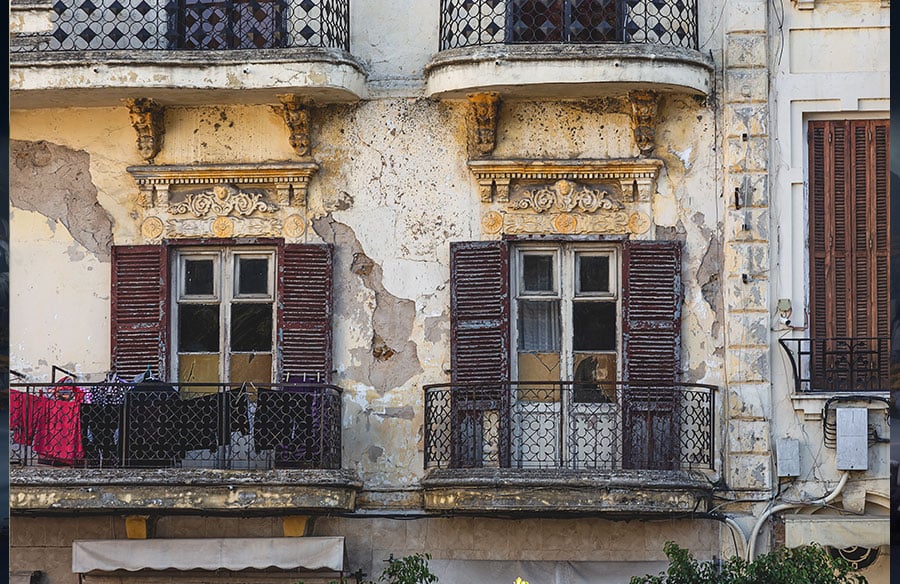
Heritage buildings carry cultural, historical, and architectural significance that deserves preservation for future generations. Yet, maintaining these structures presents unique challenges compared to modern construction. Materials are often centuries old, building methods may be outdated, and any interventions must balance functionality with authenticity.
Sustainable maintenance practices offer a pathway to preserve heritage architecture responsibly while reducing environmental impact and long-term costs. By combining traditional craftsmanship with modern technologies, property owners and conservation experts can protect the structural integrity, aesthetic character, and cultural value of heritage sites without compromising their authenticity.
The Importance of Sustainable Maintenance
Sustainable maintenance ensures that heritage structures are preserved in ways that respect both the building’s history and the environment. Instead of frequent, resource-intensive repairs, sustainable strategies emphasize proactive inspections, preventive care, and minimal intervention. This reduces the need for large-scale restorations that might alter the building’s character or deplete valuable resources.
Additionally, sustainability in heritage care often extends beyond materials to include energy efficiency and waste reduction. Choosing eco-friendly restoration supplies, recycling removed elements where possible, and limiting demolition all contribute to a reduced environmental footprint. This makes the upkeep of heritage architecture not just a cultural responsibility, but also an ecological one.
Regularly scheduled maintenance, even when minor, can prevent small issues from becoming structural threats. For instance, repairing a minor crack in a stone façade immediately can prevent water infiltration, which would otherwise compromise the wall and require major reconstruction later. In this way, sustainable maintenance saves resources while protecting authenticity.
Balancing Authenticity with Modern Techniques
One of the greatest challenges in maintaining heritage buildings lies in preserving authenticity. Using traditional techniques ensures that repairs remain faithful to the building’s original design, but relying exclusively on outdated methods can limit durability and efficiency. Modern tools and technology allow for repairs that are both sustainable and true to the building’s heritage.
For example, lime-based mortars may be preferable to modern cement because they allow old stone to “breathe.” At the same time, advanced technologies such as digital 3D scanning, structural monitoring sensors, and thermal imaging can detect problems early without invasive inspections. Ground-penetrating radar (GPR) has also proven to be invaluable in this area. GPR’s characteristics, such as its ability to identify voids, hidden foundations, or weaknesses beneath floors and walls without drilling, help conservationists make precise, sustainable decisions. This avoids unnecessary disturbance, reduces waste, and ensures that repairs respect the structure’s authenticity while addressing its hidden vulnerabilities.
Another important consideration is reversibility. Sustainable heritage maintenance often favors interventions that can be undone without damaging the original structure. This ensures that if better or more accurate preservation methods become available in the future, they can be implemented without permanent loss of heritage value. By balancing authenticity with innovative yet reversible techniques, heritage care becomes both respectful of the past and adaptable for the future.
Extending the Life of Materials
Materials used in heritage structures, from stone and wood to plaster and metal, require specialized care. Sustainable maintenance emphasizes preservation over replacement, with techniques like surface cleaning, protective coatings, and moisture management. These measures help materials retain their strength while avoiding unnecessary consumption of new resources.
Moisture is often the greatest enemy of heritage structures. By implementing proper drainage systems, controlling humidity, and applying breathable protective finishes, conservators can slow deterioration significantly. The goal is always to extend the material’s lifespan while maintaining historical accuracy, reducing the need for repeated interventions.
Wood, for example, is commonly found in historic beams, flooring, and decorative finishes. Regular inspections for rot, pest damage, or mold growth allow conservationists to take action before irreparable harm occurs. Protective natural oils and environmentally safe treatments extend wood’s usability while staying true to heritage-friendly methods. Similarly, metals used in heritage architecture, such as wrought iron or bronze, can be protected with environmentally safe coatings to slow corrosion and preserve their historical detail.
Planning for Longevity and Resilience
Sustainable maintenance is not just about reacting to problems as they occur. It requires a forward-thinking plan that anticipates the needs of the building over decades or even centuries. Developing maintenance schedules, documenting every intervention, and creating detailed records of material conditions allow conservators to plan responsibly and reduce wasteful trial-and-error approaches.
Heritage structures also face modern pressures, including climate change, urban development, and pollution. Rising humidity, more intense storms, and shifting soil conditions can all accelerate deterioration. Incorporating sustainable drainage, reinforcing vulnerable foundations, and using monitoring systems can help heritage buildings adapt to these new challenges while preserving their historic essence.
This long-term mindset ensures that conservation efforts are not short-sighted fixes, but carefully considered strategies that protect heritage architecture for generations. By thinking decades ahead, sustainability becomes a philosophy guiding how society interacts with its built history.
Long-Term Benefits of Sustainable Maintenance
Sustainable practices extend the lifespan of cultural heritage in addition to preserving physical structures. By reducing the frequency of invasive repairs, lowering energy use, and limiting material waste, these strategies cut costs over time. They also strengthen resilience, making historic buildings better equipped to withstand climate change, pollution, and urban development pressures.
In addition, sustainable maintenance practices promote community engagement. When heritage buildings remain in use and in good condition, they provide educational, cultural, and tourism benefits. They also inspire civic pride, reminding communities of their roots while offering practical spaces for modern activities. The investment in sustainable care ultimately enhances both economic value and cultural pride.
From an economic perspective, sustainable maintenance reduces emergency interventions, which are often the most expensive and disruptive. Planned, preventive work is far more cost-effective, and it allows heritage buildings to remain accessible rather than being closed for lengthy, costly restorations.
Securing the Future of Heritage Architecture
Sustainable maintenance practices for heritage architecture are about securing the future of our shared history. By combining preventive care, eco-friendly materials, and advanced technologies like GPR, conservators can extend the lifespan of historic buildings while reducing environmental impact. The balance of authenticity with innovation ensures that heritage sites remain safe, functional, and true to their original character. With proper strategies in place, communities benefit not only from the cultural value of these landmarks but also from their continued presence as sustainable and inspiring symbols of human creativity.