Home security is essential, and both landlords and tenants have a responsibility to keep their properties safe. A landlord should always prioritize their renters’ safety and comfort first. Conversely, tenants are essential to preserving the safety of the house. To work together on home security, having good landlord-tenant communication is important.
Landlords and tenants can work together on home security by adopting common security measures, communicating openly, and clearly defining roles. In light of this, we have created this guide to help both landlords and tenants learn more about how they can work together on home security.
Home Security Concerns for Landlords and Tenants
Landlords typically have a duty to provide reasonable security measures, such as working locks, secured windows, sufficient lighting, smoke detectors, and upkeep of the common areas, like walkways and parking lots. They have risk exposure to liability if inadequate security, such as broken locks, insufficient lighting, contributes to tenant harm or crime on the property, and could be liable for negligence if they don’t repair known issues.
Other security failures include unguarded entry ways, inadequate surveillance, inability to provide emergency access, which may lead a landlord into lawsuits and substantially increase the cost of insurance. Landlords must also guard against whether access is being denied without cause, whether criminal acts are being committed upon the premises, and if the actions of any tenant or outsider as a nuisance. Working with Austin Texas property managers can also assist if tenants have concerns about strengthening the property’s security system. Landlords will also be required to continue managing the security functions outlined in the lease, such as alarms and guards.
Concerns about who has access to the property likely make tenants uneasy, and they want to feel comfortable that locks and windows are secure and there is proper lighting in the property. The combination of security concerns when moving in/out, lack of adequate locks or peepholes, and unsafe spaces for shared/common areas would contribute to tenants’ fear of safety and security.
Tenant’s anxiety often worsens when looking at the risk of theft, break-ins, and other criminal risks that can arise due to unauthorized persons having access to multi-tenant buildings and lost keys. It is necessary for tenants to ensure all entry points to the property are secure, and they want to be reassured that their valuables are safe. It is common for tenants to want to have additional security measures available, including cameras and alarms. Tenants can install a security system if it is approved by their landlords. There are also risks tenants face from a broader safety perspective, such as identity theft risk, fire safety, and ensuring that escape routes are safe from exits.
Essential Security Measures for Landlords
-
Comply with Local Housing Laws
Landlords must be up to date on local laws and standards in order to guarantee adherence to housing regulations. This entails being aware of the regulations governing maintenance obligations for rental properties, property inspections, rent collection, eviction procedures, and lease agreements.
Along with their legal obligations to keep their properties livable for renters, landlords also need to be aware of any restrictions on their rights. Maintaining a good landlord-tenant relationship and avoiding any legal problems requires staying current with these standards.
-
Upgrade Home Security System
Current home security systems are typically scalable and adaptable, allowing them to be updated to accommodate changing needs and capitalize on emerging technologies. It is possible for homeowners to begin with a simple security system and add more features and components as needed. With this approach to incremental development, you can create a flexible security system that expands to meet your demands.
Typically, an update might include adding more security cameras or implementing more advanced technologies. As surveillance needs increase or new security issues surface, homeowners can update to higher-resolution cameras or add cameras strategically. This leads to improved surveillance capabilities and clearer, more complete footage, which improves threat detection.
Security Habits Tenants Can Use
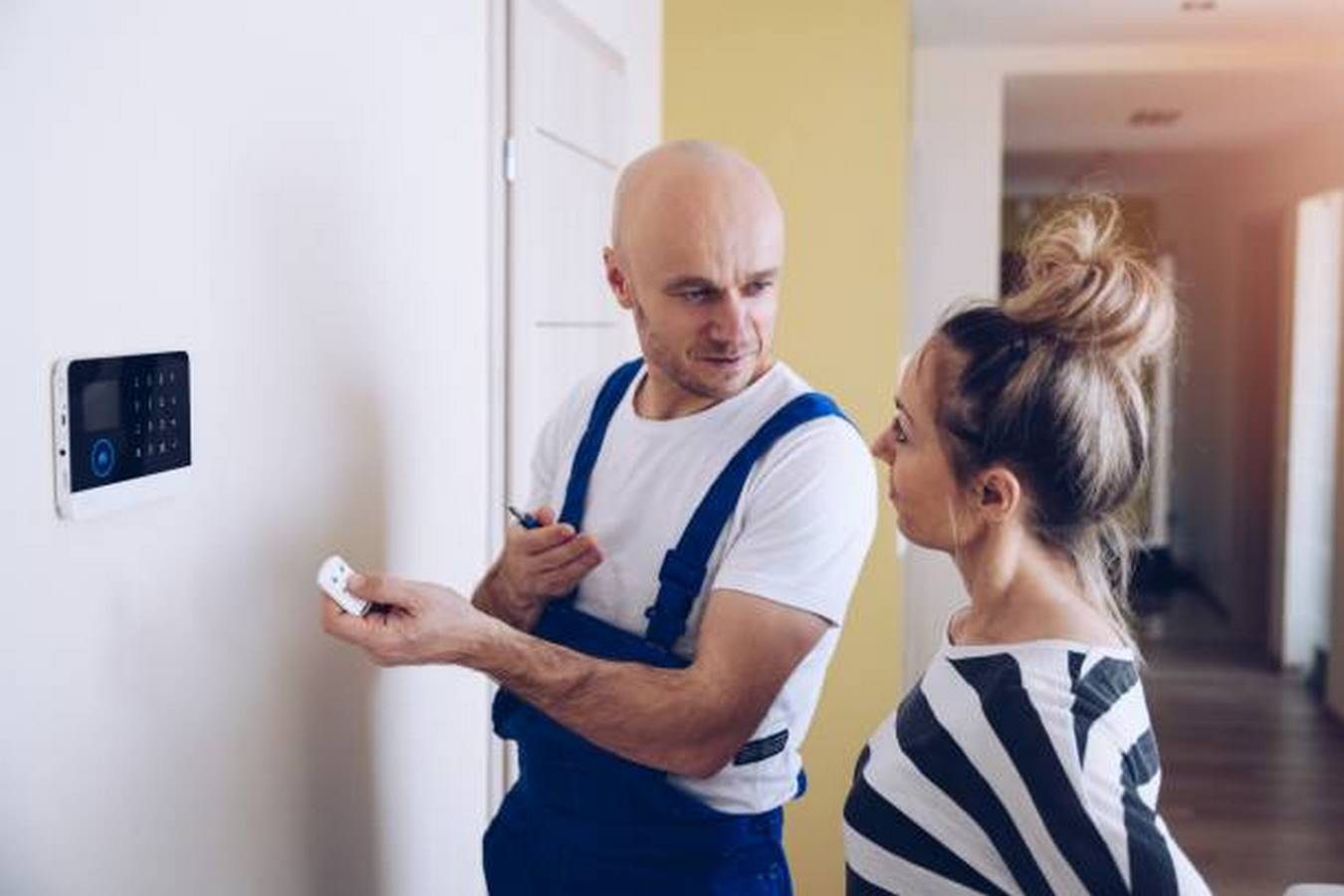
1. Be Mindful About Sharing Access Codes
Tenants should exercise caution with access codes. If those codes are distributed to unauthorized people, it may lead to threats to security, such as an uninvited “guest.” Access codes that remain on a smart lock or keyless entry system may be forgotten or not properly deleted when a tenant vacates the property, which could allow sub-tenants or a contented intruder to return.
They should also be aware of the threat from keypad wear, as that condition may suggest to criminals the numerals or patterns that were likely used to access the property. Tenant must take deliberate action to manage the distribution of access codes and keep them secured to minimize unauthorized access, damage, and theft at the property.
2. Notify Landlords Immediately of Suspicious Activity
Fast reporting allows landlords to act quickly on possible risks, such as a break-in, vandalism, or illegal activity, and keep risks of damage to a minimum, as well as keep everyone safe. Unexpected visits, unusual noise, sudden odors, or odd behavior from the property provide hints that something criminal is happening. It may require landlord intervention and law enforcement.
Landlords have a legal duty to provide safe premises. When a tenant fails to report suspicious activity in a timely manner, the landlord may be unaware of potential issues leading to harm or damage to property or persons. Not taking action can create a liability for negligent conduct. Prompt communication allows the landlord the opportunity to investigate the allegations, repair damages to the premises, and notify authorities if warranted.
Final Thoughts
Building a cooperative and open connection between landlords and tenants can help to guarantee the property’s safety and security. That’s why communication must be proactive and open. Regarding any security issues, landlords and tenants should be in constant contact. Tenants should notify their landlord right away if they have any security concerns, such as damaged windows, broken locks, or unusual behavior on the property. In turn, landlords ought to pay attention to these issues and take prompt action. This could entail replacing or fixing broken fixtures, bolstering security, or, if required, calling the police.