Understanding the Value of Regular AC Maintenance
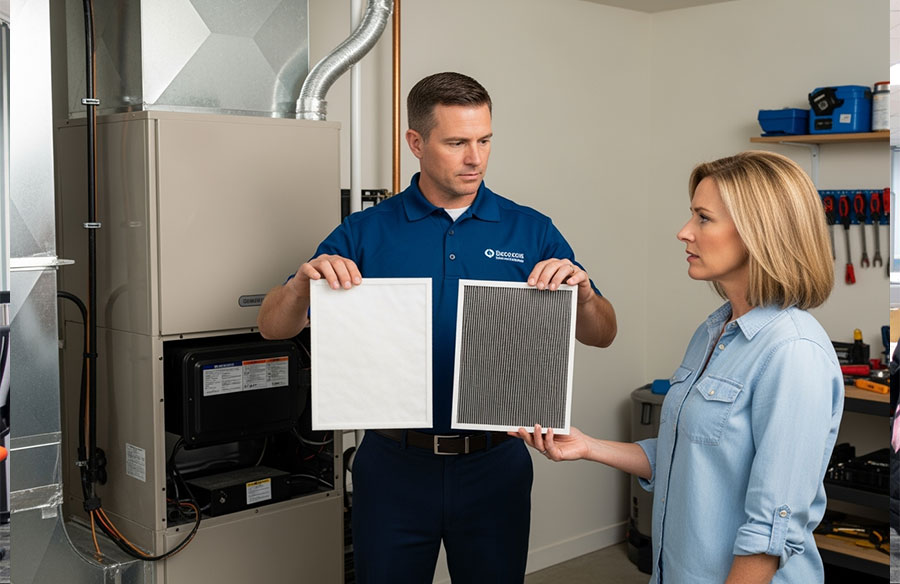
Just like a car needs regular oil changes and tire rotations, your home’s air conditioning system thrives on consistent maintenance. An AC tune-up isn’t just about fixing something when it breaks; it’s a proactive measure that yields a multitude of benefits, ensuring your comfort, saving you money, and extending the life of one of your home’s most vital appliances.
Energy Efficiency: One of the most immediate and tangible benefits of a regular AC tune-up is improved energy efficiency. Over time, dust, dirt, and debris accumulate on coils, filters, and other components. This buildup forces your system to work harder to achieve the desired temperature, consuming more electricity in the process. A clean, well-maintained AC unit operates at its peak, using less energy to cool your home. In fact, an HVAC system can lose 5%-15% efficiency each year if not regularly maintained, directly impacting your monthly utility bills.
Lower Utility Bills: Directly tied to energy efficiency, a well-tuned AC unit translates into significant savings on your energy bills. When your system doesn’t have to overcompensate for inefficiencies, its power consumption drops. This is especially noticeable during peak cooling seasons when your AC is running for extended periods. Regular maintenance helps prevent a dirty A/C unit from increasing energy consumption by up to 30%. Imagine what those savings could mean over a hot summer!
System Longevity: Your AC unit is a significant investment. Naturally, you want it to last as long as possible. Regular tune-ups address minor issues before they escalate into major, costly repairs. Lubricating moving parts reduces friction and wear, tightening electrical connections prevents overheating, and cleaning coils ensures proper heat exchange. By keeping all components in optimal working order, you significantly extend the operational life of your air conditioner. Most modern air conditioning units can last between 15 to 20 years, but regular AC preventive maintenance can prolong the operational life of your air conditioner by as much as eight years. This means delaying the expense of a full system replacement for many years.
Improved Air Quality: Your AC system also plays a crucial role in your home’s indoor air quality. During a tune-up, technicians clean or replace air filters and inspect ducts, helping to remove allergens, dust, and other airborne pollutants. A clean system circulates cleaner air, which is especially beneficial for individuals with allergies or respiratory sensitivities.
Breakdown Prevention: Perhaps one of the most reassuring benefits of regular maintenance is the drastic reduction in unexpected breakdowns. A tune-up allows technicians to identify potential problems, such as worn belts, low refrigerant levels, or failing electrical components, before they cause your system to completely shut down. A tune-up can help prevent up to 80% of all air conditioning breakdowns, saving you from uncomfortable days and costly emergency repairs during the hottest times of the year.
Peace of Mind: Knowing that your AC system has been professionally inspected and optimized provides invaluable peace of mind. You can face the summer heat with confidence, assured that your cooling system is ready to perform reliably and efficiently, without the worry of sudden failures or skyrocketing energy costs.
Signs Your AC Needs a Tune-Up
Your air conditioning system often gives subtle clues when it’s not operating at its best. Recognizing these signs early can prompt a timely tune-up, preventing minor issues from escalating into major problems.
- Weak Airflow: If the air coming from your vents isn’t as strong as it used to be, or if some rooms feel significantly warmer than others, it could indicate a clogged air filter, blocked ducts, or issues with the blower motor. A tune-up can identify and rectify these obstructions.
- Strange Noises: Your AC unit should operate with a relatively consistent hum. If you start hearing unusual sounds like grinding, squealing, banging, or hissing, it’s a clear signal that something is amiss. These noises could point to a failing motor, loose parts, or refrigerant leaks, all of which require professional attention during a tune-up.
- Unpleasant Odors: Musty, dusty, or burning smells emanating from your vents are red flags. Musty odors often indicate mold or mildew growth in the evaporator coil or ductwork, while a burning smell could mean an electrical issue. A tune-up includes cleaning and inspection that can eliminate these odors and their underlying causes.
- Inaccurate Thermostat: If your thermostat isn’t accurately reflecting the room temperature, or if the AC cycles on and off too frequently (short cycling) or runs constantly without reaching the set temperature, your thermostat may need calibration or your system might have an underlying issue affecting its control.
- Higher Energy Bills: As mentioned, a sudden or gradual increase in your electricity bill without a corresponding change in usage patterns is a strong indicator that your AC unit is losing efficiency and working harder than it should. This is a classic sign that a tune-up is overdue.
- Water Leaks: Puddles or excessive moisture around your indoor AC unit (air handler) or outdoor unit can signal a clogged condensate drain line, a frozen evaporator coil, or a refrigerant leak. Ignoring water leaks can lead to significant water damage and mold growth.
- Frequent Cycling: If your AC unit is turning on and off more frequently than usual, it could be short cycling. This can be caused by an oversized unit, a clogged air filter, low refrigerant, or an electrical issue. Frequent cycling puts undue stress on the system and reduces its lifespan.
The Risks of Neglecting Your System
Skipping regular AC maintenance might seem like a way to save money in the short term, but it almost always leads to greater expenses and discomfort down the line. The risks of neglecting your system are significant and can impact your wallet, your comfort, and even your health.
Increased Energy Consumption: As discussed, a neglected HVAC system can lose 5%-15% efficiency each year. This isn’t just a hypothetical number; it translates directly to higher energy bills. A dirty A/C unit can increase energy consumption by up to 30%. Over several months, these added costs far outweigh the price of a tune-up.
Costly Emergency Repairs: Without regular inspections, minor issues can fester and develop into major component failures. A small refrigerant leak, if left unaddressed, can lead to compressor burnout—one of the most expensive AC repairs. A tune-up can help prevent up to 80% of all air conditioning breakdowns. The average cost of HVAC repairs is around $350, but can range from as low as $100 to as high as $2,000 or more depending on the repair. Emergency repairs often come with premium pricing and occur at the most inconvenient times, leaving you sweltering.
Premature System Failure: When components are forced to work harder due to dirt, friction, or low fluid levels, they wear out much faster. This accelerates the aging process of your entire system, leading to premature breakdown and the need for a full system replacement much sooner than anticipated. Regular AC preventive maintenance can prolong the operational life of your air conditioner by as much as eight years. Neglecting it does the opposite.
Poor Indoor Air Quality: Dirty coils and filters can become breeding grounds for mold, mildew, bacteria, and allergens. When your AC runs, these contaminants are circulated throughout your home, potentially exacerbating allergies, asthma, and other respiratory issues for your family.
Potential Safety Hazards: Electrical components can wear out or become loose, leading to potential fire hazards. Refrigerant leaks, if significant, can also pose health risks in enclosed spaces. A professional tune-up includes safety checks that can identify and mitigate these dangers.
Voided Manufacturer Warranties: This is a critical, often overlooked risk. Most AC manufacturers require annual preventive maintenance to keep the warranty enforced. If your system breaks down and you haven’t maintained it according to their specifications, your warranty could be voided, leaving you to pay for expensive repairs or replacements entirely out of pocket. Always check your warranty documentation to understand these requirements.
What a Professional AC Tune-Up Entails
A professional AC tune-up is a comprehensive service designed to optimize your system’s performance, improve its efficiency, and extend its lifespan. It goes far beyond simply changing a filter, involving a detailed inspection, thorough cleaning, and careful calibration of various components.
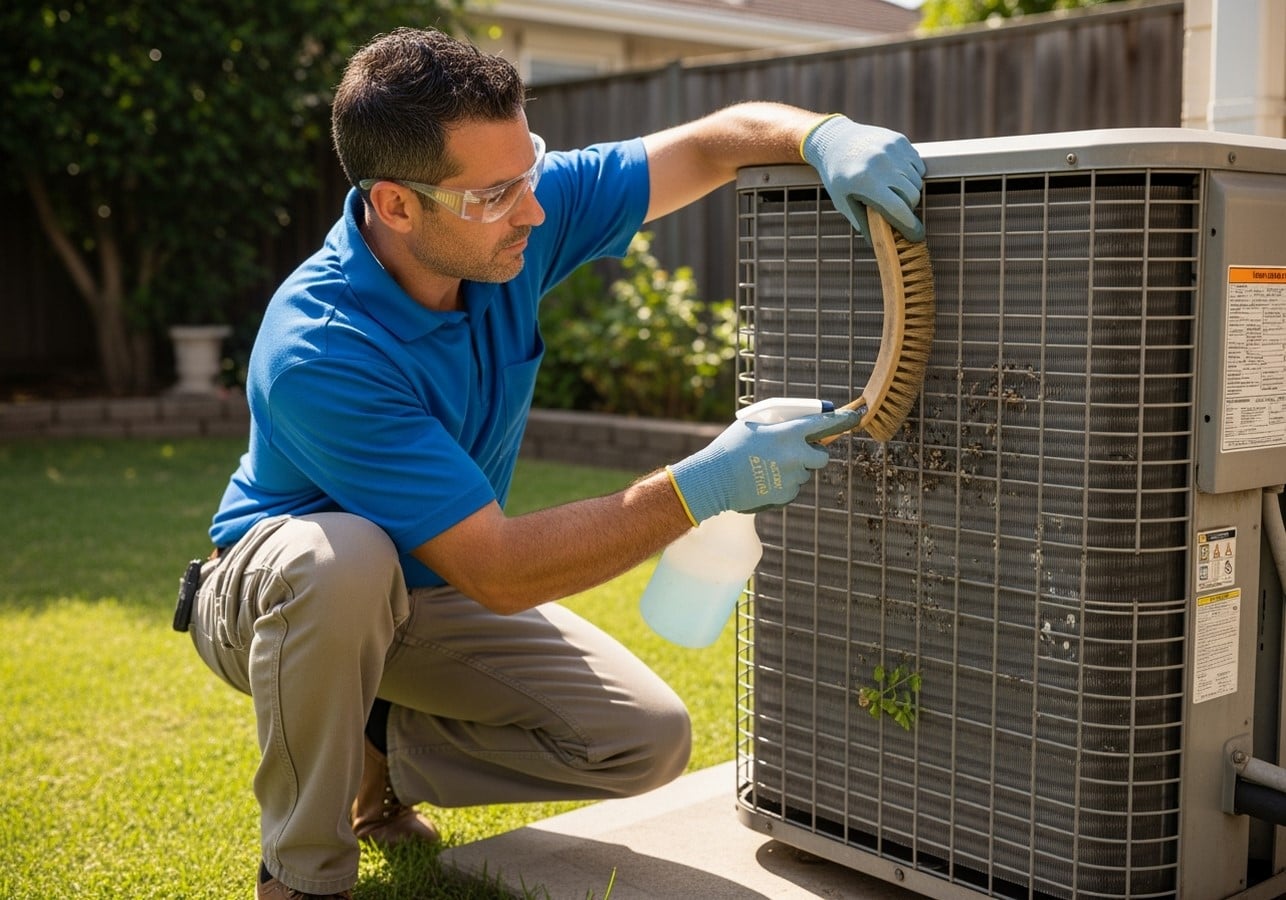 System Inspection: The tune-up begins with a thorough visual inspection of both the indoor and outdoor units. The technician will look for any obvious signs of wear and tear, corrosion, leaks, or damage to components like wiring, fan blades, and ductwork. They’ll also check the thermostat’s functionality and accuracy.
Component Cleaning: Dirt and debris are the enemies of efficiency. The technician will carefully clean the condenser coils (outdoor unit) and, if accessible, the evaporator coils (indoor unit). These coils are crucial for heat exchange, and when dirty, they significantly impede your system’s ability to cool. They will also clear the condensate drain line to prevent clogs and water overflow.
Safety Checks: Safety is paramount. The technician will inspect all electrical connections, tightening any loose ones to prevent overheating and potential fire hazards. They’ll also test safety controls and limits to ensure the system operates within safe parameters, protecting both the equipment and your home.
Performance Testing: To ensure your system is running optimally, the technician will perform a series of performance tests. This includes checking refrigerant levels, measuring airflow, assessing temperature differentials (the difference between the air entering and leaving the system), and monitoring the compressor’s performance. These measurements help identify if the system is undercharged, overcharged, or struggling to cool effectively.
Lubrication: Many moving parts within your AC system, such as fan motors and blower motors, require proper lubrication to reduce friction and prevent premature wear. The technician will lubricate these components, ensuring smooth and quiet operation.
A Typical AC Tune-Up Checklist
While the exact steps may vary slightly between providers, a comprehensive AC tune-up typically includes the following critical actions:
- Clean Condenser and Evaporator Coils: Thoroughly clean the outdoor condenser coil and inspect/clean the indoor evaporator coil to ensure optimal heat transfer.
- Check Refrigerant Levels: Verify the correct refrigerant charge and inspect for any leaks. Note: adding refrigerant is typically an extra charge, as a properly sealed system should not lose refrigerant.
- Inspect and Clear Condensate Drain: Ensure the drain line is free of clogs to prevent water backup and potential damage.
- Test Capacitors and Relays: Check these electrical components for proper function and signs of wear.
- Tighten Electrical Connections: Secure all electrical wiring connections to prevent shorts, power fluctuations, and safety hazards.
- Lubricate Motors and Bearings: Apply lubricant to all moving parts, such as fan motors and blower motors, to reduce friction and extend lifespan.
- Calibrate Thermostat: Verify the thermostat is accurately reading temperatures and communicating correctly with the AC unit.
- Inspect Air Filter: Check the condition of the air filter and replace it if necessary (replacement filter may be an extra cost or provided by homeowner).
- Check Blower Motor: Inspect the blower motor for proper operation and cleanliness.
- Measure Amperage and Voltage: Test electrical draws on the compressor and fan motors to detect potential issues.
- Inspect Fan Blades: Ensure outdoor fan blades are clean and free of obstructions.
- Check Ductwork: Perform a visual inspection of accessible ductwork for leaks or damage.
- Test System Controls: Verify that all operational controls, including the start-up and shut-off cycles, are functioning correctly.
- Assess Overall Performance: Conduct a final run-test to ensure the system is cooling effectively and efficiently.
The Cost of an AC Tune-Up Near Me
The cost of an AC tune-up can vary depending on several factors, but it’s generally a small investment that pays dividends in energy savings and avoided repair costs.
Average Cost Range: The average cost of an HVAC tune-up is between $100 and $200, with some companies offering specials as low as $99 or $129 per visit. This range reflects the standard service for a single residential unit.
Factors Influencing Price:
- Location: Costs can fluctuate based on your geographic location and the local cost of living.
- Company Reputation: Well-established companies with highly certified technicians might charge slightly more, but often offer greater expertise and guarantees.
- System Type: While most prices cover standard central AC units, specialized systems like ductless mini-splits or commercial units might have different pricing.
- Scope of Service: Some companies offer a basic check-up, while others provide a more extensive multi-point inspection and cleaning. Ensure you understand what’s included in the quoted price.
- Specials and Discounts: Many HVAC companies offer seasonal promotions, especially in spring before the peak cooling season, or discounts for new customers.
Special Offers: Keep an eye out for promotional offers. As noted, some companies provide tune-ups for as low as $99. These are often designed to attract new customers or fill scheduling gaps during off-peak times. Always inquire about any current specials when you call for a quote.
Maintenance Plans: Many HVAC providers offer maintenance plans or memberships. These plans typically include one or two tune-ups per year (for both AC and heating systems), often at a discounted rate compared to one-off services. They may also come with additional perks like priority scheduling, discounts on repairs, and waived diagnostic fees. These plans are an excellent way to budget for regular maintenance and ensure your system is always covered.
What’s Included vs. Extra Charges: It’s crucial to clarify what is included in the tune-up price. Basic tune-ups cover inspection and cleaning, but additional services like refrigerant refills, major repairs, or replacement parts will almost always incur extra charges. For instance, while refrigerant levels are checked, a refill due to a leak will be an additional cost. Always ask for a detailed breakdown of services and potential extra charges before work begins.
DIY Maintenance vs. Professional Service
While some basic AC maintenance can be performed by homeowners, a professional tune-up is essential for comprehensive care. Understanding the distinction helps you know when to roll up your sleeves and when to call in the experts.
Homeowner Tasks:
- Changing Air Filters: This is perhaps the most important and easiest DIY task. We recommend checking your air filter monthly and replacing it every 1-3 months, especially during heavy usage periods or if you have pets. A clean filter improves airflow and air quality.
- Clearing Debris from Outdoor Unit: Regularly clear away leaves, grass clippings, dirt, and other debris from around your outdoor condenser unit. Ensure there’s at least two feet of clearance on all sides for optimal airflow.
- Keeping Vents Clear: Ensure that indoor vents and return air registers are not blocked by furniture, curtains, or rugs.
- Checking Thermostat Batteries: If your digital thermostat isn’t working, a simple battery change might be all it needs.
Preparing for the Visit: Before your professional tune-up appointment, you can do a few things to help the technician:
- Clear the area around both your indoor and outdoor units, ensuring easy access.
- Make sure your thermostat is accessible.
- Note down any specific issues or concerns you’ve noticed with your AC’s performance.
Safety Risks of DIY Repair: While basic tasks are safe, attempting complex repairs or deep cleaning of internal components carries significant risks.
- Electrical Hazards: AC units contain high-voltage electrical components that can cause severe injury or even death if mishandled.
- Refrigerant Handling: Refrigerant is a chemical that requires specialized tools and knowledge to handle safely. Improper handling can lead to leaks, environmental damage, and personal injury.
- Component Damage: Without proper training, you could inadvertently damage delicate components, leading to more expensive repairs.
Need for Specialized Tools: Professional AC technicians possess a range of specialized tools that homeowners typically don’t have, such as refrigerant gauges, vacuum pumps, manifold sets, and various electrical testing equipment. These tools are necessary for accurate diagnostics and effective repairs.
When to Call a Professional: You should always call a professional for:
- Any issues beyond simple filter changes or debris removal.
- Strange noises, smells, or leaks.
- Reduced cooling performance.
- Any electrical issues.
- Annual tune-ups, as they involve detailed inspections and calibrations that require expert knowledge and tools.
- If you’re unsure about a task, it’s always safer to consult a professional.
Finding a Reputable AC Tune-Up Near Me
When it comes to something as vital as your home’s comfort system, choosing the right professional for your AC tune-up is crucial. A reputable service provider ensures quality work, fair pricing, and peace of mind.
 Online Searches: A quick search for “AC tune-up near me” or “HVAC maintenance [your city]” will yield numerous results. Websites like Google Maps, Yelp, and Angi (formerly Angie’s List) provide listings, customer reviews, and contact information. Pay attention to the overall star ratings and read through recent reviews to get a sense of customer experiences.
Local Directories: Check local business directories, both online and offline. Your local Chamber of Commerce website might also list reputable HVAC companies in your area.
Word-of-Mouth Referrals: Ask friends, family, neighbors, or colleagues for recommendations. Personal referrals often lead to trustworthy service providers who have already proven their reliability. This is often one of the most reliable ways to find a good service.
Vetting Contractors: Once you have a shortlist, it’s time to vet each contractor thoroughly. Don’t just rely on the first impression or the lowest price. Look for companies that are transparent about their services, pricing, and credentials. For those seeking reliable local service, especially in the Salt Lake City area, checking out trusted resources like the SLC AC tune-up experts can provide valuable insights and direct you to qualified professionals.
Comparing Quotes: Obtain quotes from at least three different companies. While price is a factor, don’t let it be the only determinant. Compare what’s included in each tune-up service, the technician’s certifications, and the company’s reputation.
Key Credentials to Look For
When evaluating AC technicians and companies, certain credentials signal professionalism, expertise, and adherence to industry standards.
- State Licensing: Most states require HVAC technicians and contractors to be licensed. This ensures they have met specific educational, experience, and examination requirements. Always verify that the company and its technicians hold valid, current licenses for your state. Unlicensed work can lead to poor quality, extra expenses, and code violations.
- Business Insurance: Ensure the company carries adequate liability insurance and workers’ compensation. This protects you in case of accidents or damage to your property during the service.
- NATE Certification: NATE (North American Technician Excellence) certification is a highly respected industry standard. It signifies that a technician has passed rigorous, specialized exams demonstrating their knowledge in specific HVAC areas (e.g., air conditioning, heat pumps). NATE-certified technicians are often more knowledgeable and capable of diagnosing and repairing complex issues.
- BPI Certification: BPI (Building Performance Institute) certification focuses on whole-house energy efficiency. While not solely for AC, a BPI-certified technician understands how your HVAC system interacts with your home’s overall energy performance, which can be beneficial for optimizing efficiency.
- Years of Experience: While new companies can be good, those with several years of experience often have a proven track record and deeper understanding of various AC systems and common issues.
- Positive Customer Reviews: Look for consistent positive feedback across multiple platforms. Pay attention to comments regarding professionalism, punctuality, communication, and the effectiveness of their service.
How to Choose the Best AC Tune-Up Provider Near Me
Beyond credentials, the selection process involves practical steps to ensure you pick the best fit for your needs.
- Get Multiple Quotes: As mentioned, don’t settle for the first quote. Reach out to at least three different providers. This allows you to compare pricing, the scope of services offered, and the professionalism of their initial communication.
- Compare Service Checklists: Ask each provider for a detailed checklist of what their AC tune-up includes. This helps you understand the value you’re getting. A comprehensive checklist (like the one we outlined earlier) indicates a thorough service. Be wary of providers offering extremely low prices with vague service descriptions.
- Ask About Service Guarantees: A reputable company will stand behind its work. Inquire about any guarantees on their tune-up service or subsequent repairs. Some companies offer a satisfaction guarantee or a warranty on parts and labor for a certain period after the tune-up.
- Inquire About Maintenance Agreements: If you’re looking for ongoing care, ask if they offer maintenance plans or memberships. Understand the benefits, costs, and terms of these agreements. They can often save you money in the long run and provide priority service.
- Professionalism and Communication: Pay attention to how the company communicates from your first contact. Are they prompt, courteous, and clear? Do they answer your questions thoroughly? A professional approach from the start is a good indicator of the quality of service you can expect during the tune-up itself.
Frequently Asked Questions about AC Tune-Ups
We understand you might have more questions about AC tune-ups. Here, we address some of the most common inquiries to help you make informed decisions.
How often should I schedule an AC tune-up?
The general recommendation is to schedule an AC tune-up at least once a year. This annual service, ideally performed in the spring before the peak cooling season begins, prepares your system for the heavy workload ahead.
However, there are circumstances where more frequent tune-ups might be beneficial:
- High-Usage Considerations: If you live in a climate with extremely hot summers where your AC runs almost continuously for several months, or if your system is particularly old, a biannual tune-up (once in spring for cooling, once in fall for heating) can be highly advantageous.
- Dusty Environments: Homes in very dusty areas, or those undergoing construction, might accumulate dirt and debris faster, necessitating more frequent cleaning and inspection.
- Heat Pump Systems: If you have a heat pump, which provides both heating and cooling, it’s recommended to have it tuned up twice a year—once in the spring for cooling mode and once in the fall for heating mode. Since heat pumps are used year-round, they experience more wear and tear.
Consistent annual maintenance is usually sufficient to maintain efficiency, prevent breakdowns, and keep your warranty valid.
Is it necessary to have a tune-up to keep my AC warranty valid?
Yes, in most cases, it is necessary. This is a critical point that many homeowners overlook until it’s too late. Most AC manufacturers require annual preventive maintenance to keep the warranty enforced. Their reasoning is that proper maintenance prevents premature wear and tear and ensures the system operates as designed.
- Manufacturer Requirements: Your AC unit’s warranty documentation will typically outline specific maintenance requirements. It might state that the system must be “professionally maintained” or “serviced annually by a qualified technician.”
- Documentation of Service: It’s essential to keep records of your annual tune-ups, including dates of service, the name of the HVAC company, and a summary of the work performed. This documentation serves as proof of compliance should you need to file a warranty claim.
- Protecting Your Investment: Neglecting annual tune-ups could void your warranty, leaving you responsible for the full cost of expensive repairs or even a complete system replacement if a major component fails. Given that a tune-up can help prevent up to 80% of all air conditioning breakdowns, it’s a small price to pay to protect a significant investment.
Always review your specific warranty terms and conditions to understand your obligations.
Do AC tune-ups include refrigerant checks and refills?
An AC tune-up will always include a check of your refrigerant levels. The technician will measure the refrigerant pressure to determine if the charge is correct. However, whether a refill is included in the standard tune-up price is a different matter, and typically, it is not.
- Refrigerant Check vs. Refill: A tune-up’s primary goal is to ensure your system is operating efficiently and safely. Checking refrigerant levels is part of this diagnostic process. If the technician finds that your refrigerant is low, it indicates a problem.
- Closed-Loop System: Your AC system is a closed-loop system, meaning refrigerant should not naturally deplete or “run out” like gasoline in a car. If your refrigerant levels are low, it almost always means there is a leak somewhere in the system.
- Leak Detection: If a leak is detected, the technician will typically recommend a separate service for leak detection and repair. Adding refrigerant to a leaking system without fixing the leak is a temporary and often costly solution, as the refrigerant will simply escape again.
- Additional Costs for Refrigerant: Refrigerant is expensive, and its cost has significantly increased due to environmental regulations (e.g., phase-out of certain refrigerants like R-22). Therefore, adding refrigerant is almost always an additional charge, quoted per pound.
- Environmental Regulations: Due to the environmental impact of refrigerants, it is illegal to knowingly vent them into the atmosphere. Technicians are required to identify and repair leaks before recharging a system.
So, while your tune-up will tell you if you need refrigerant, expect an additional charge and a separate service call to address the underlying leak if your levels are low.
Conclusion
Your home’s air conditioning system is a powerful ally against the heat, but it’s not a set-it-and-forget-it appliance. Proactive care through regular AC tune-ups is the cornerstone of a comfortable, energy-efficient, and worry-free home.
By understanding what an AC tune-up entails—from detailed inspections and thorough cleaning to performance testing and safety checks—we hope you now see its immense value. These routine services are not merely expenses; they are strategic investments that lead to lower energy bills, significantly extend the lifespan of your unit, drastically reduce the likelihood of costly emergency breakdowns, and ensure your manufacturer’s warranty remains valid.
Don’t wait for your AC to sputter or fail on the hottest day of the year. Be proactive. Schedule your AC tune-up before the peak season hits, and enjoy the peace of mind that comes with a system ready to perform reliably and efficiently. Your comfort, your wallet, and your AC unit will thank you.