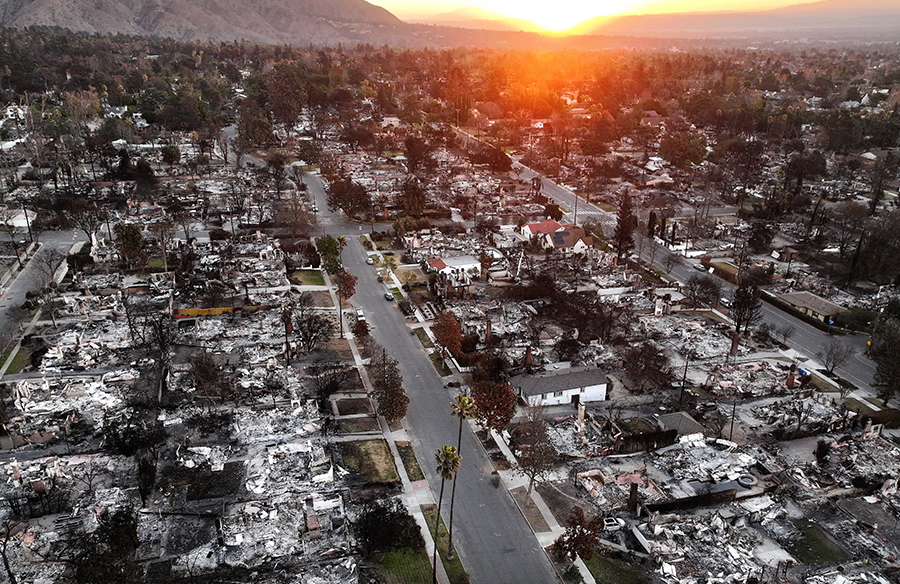
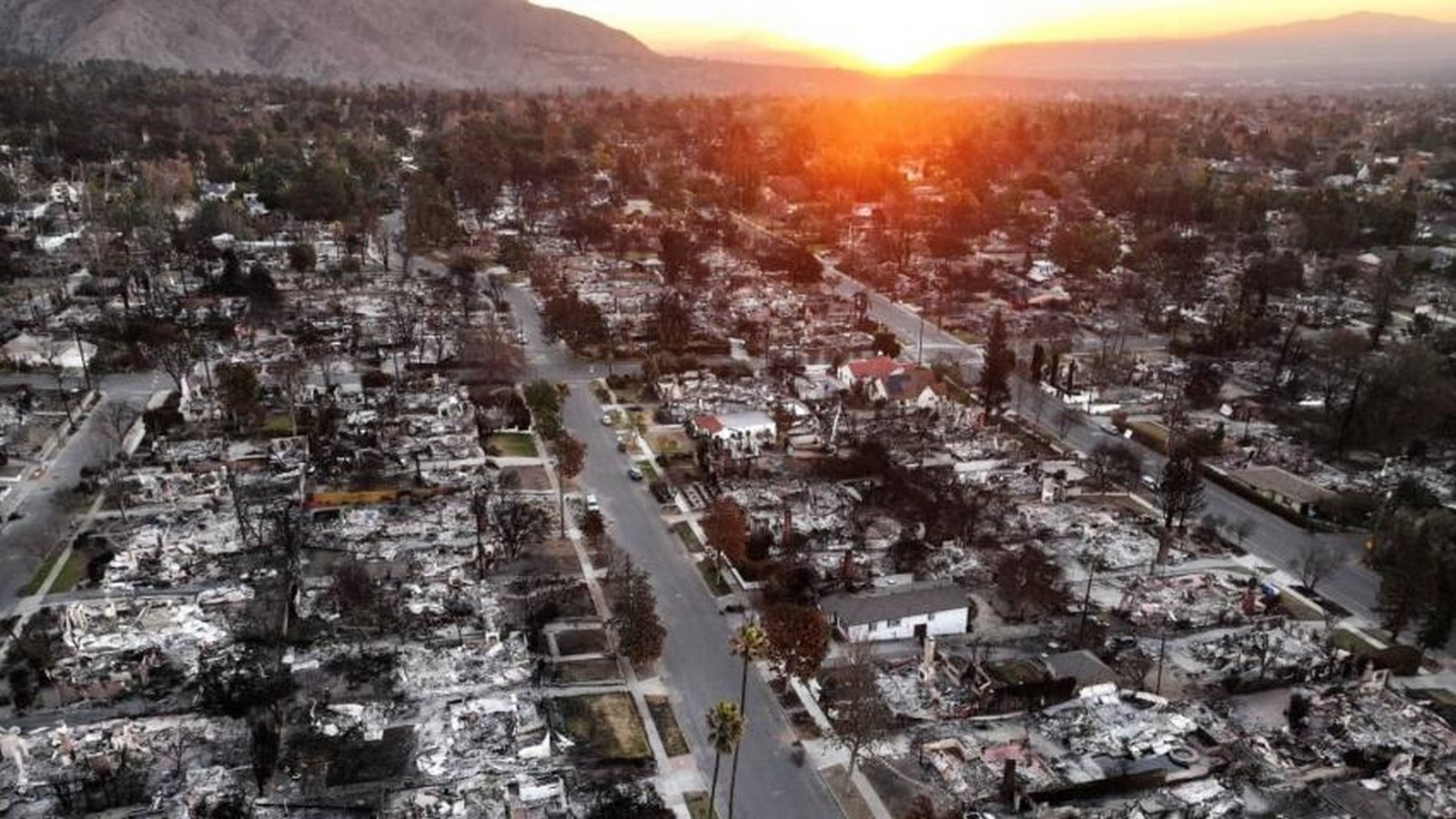
Devastating wildfires have swept across Los Angeles, leaving behind ruined housing stock, deformed neighborhoods, and uprooted landscapes. The slow, expensive, and labor-intensive traditional rebuilding methods are struggling to keep pace with the scale of disasters.
This challenge of rebuilding resiliently has encouraged designers to seek help from artificial intelligence [AI] and robotics as drivers for change. The collaboration between ABB Robotics and construction tech startup Cosmic Buildings has addressed this challenge by helping Los Angeles reimagine resilient communities and demonstrating how on-site robotic micro factories can be rebuilt faster and more sustainably.
The need for innovation
Los Angeles wildfires have drawn attention to inadequacies in traditional housing and construction methods. Conventional methods are no longer feasible for disasters caused by climate change, and rebuilding often takes months, leaving residents in temporary shelters.
Addressing these urgent needs, AI enables designers to optimize designs for fire safety, while robotics ensures speedy on-site construction. According to Cosmic’s pilot projects in Los Angeles, this collaboration has resulted in reducing building times by up to 70% and lowering building costs by nearly 30% compared to conventional methods.
Rethinking resilience architecture through robotics
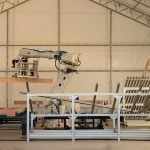
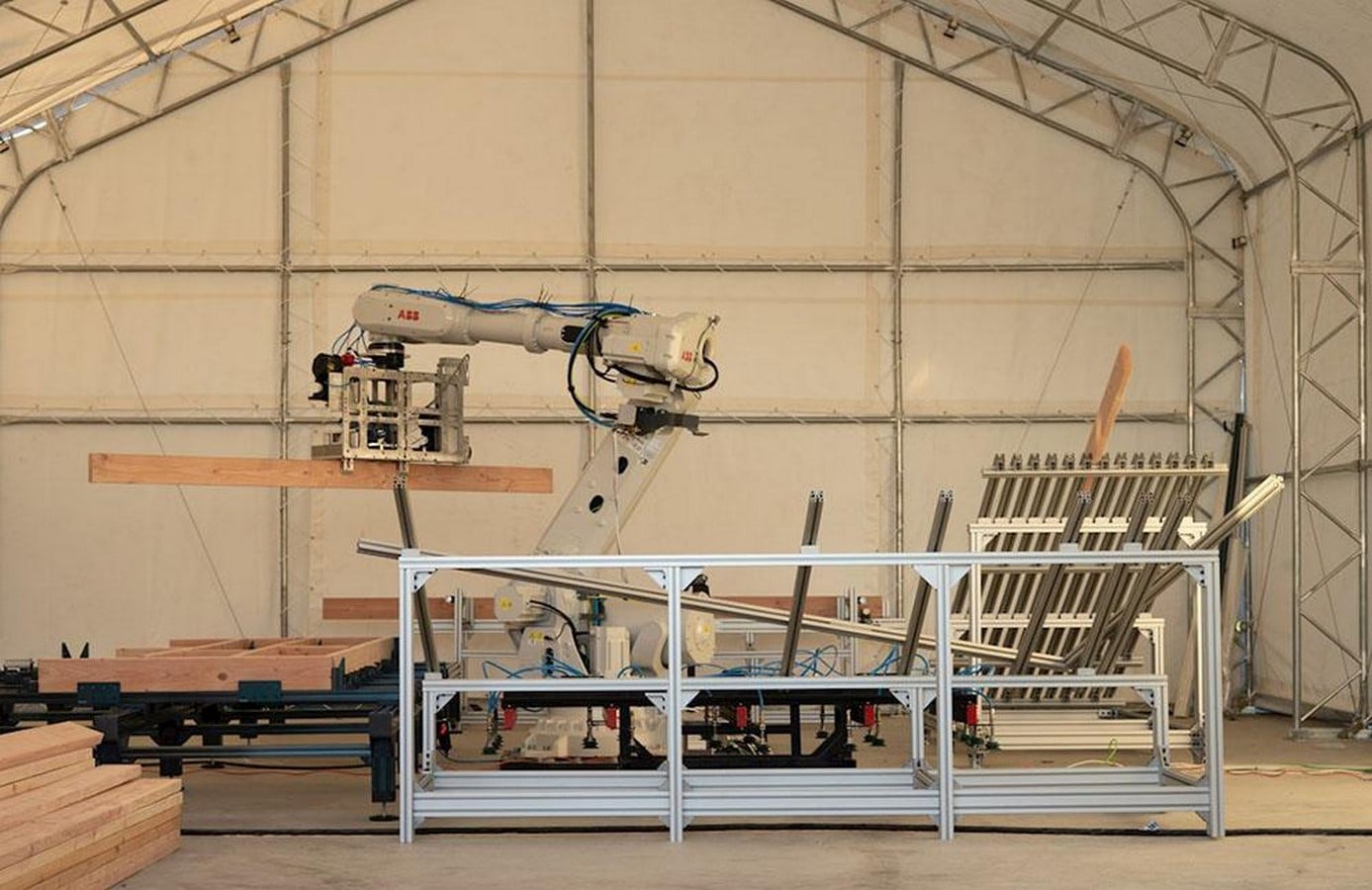
With more than 140 years of automation experience, ABB robotics has positioned itself as an innovator in artificial intelligence [AI] and construction robotics. At the core of this innovation is ABB’s IRB 6710 robotic arm integrated with cosmic’s AI-driven building information model [BIM]. These systems utilize Robot Studio digital twin software, which simulates, tests, and manufactures prefabricated wall panels on-site, making them ideal for disaster-affected sites.
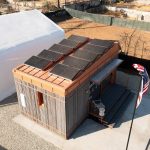
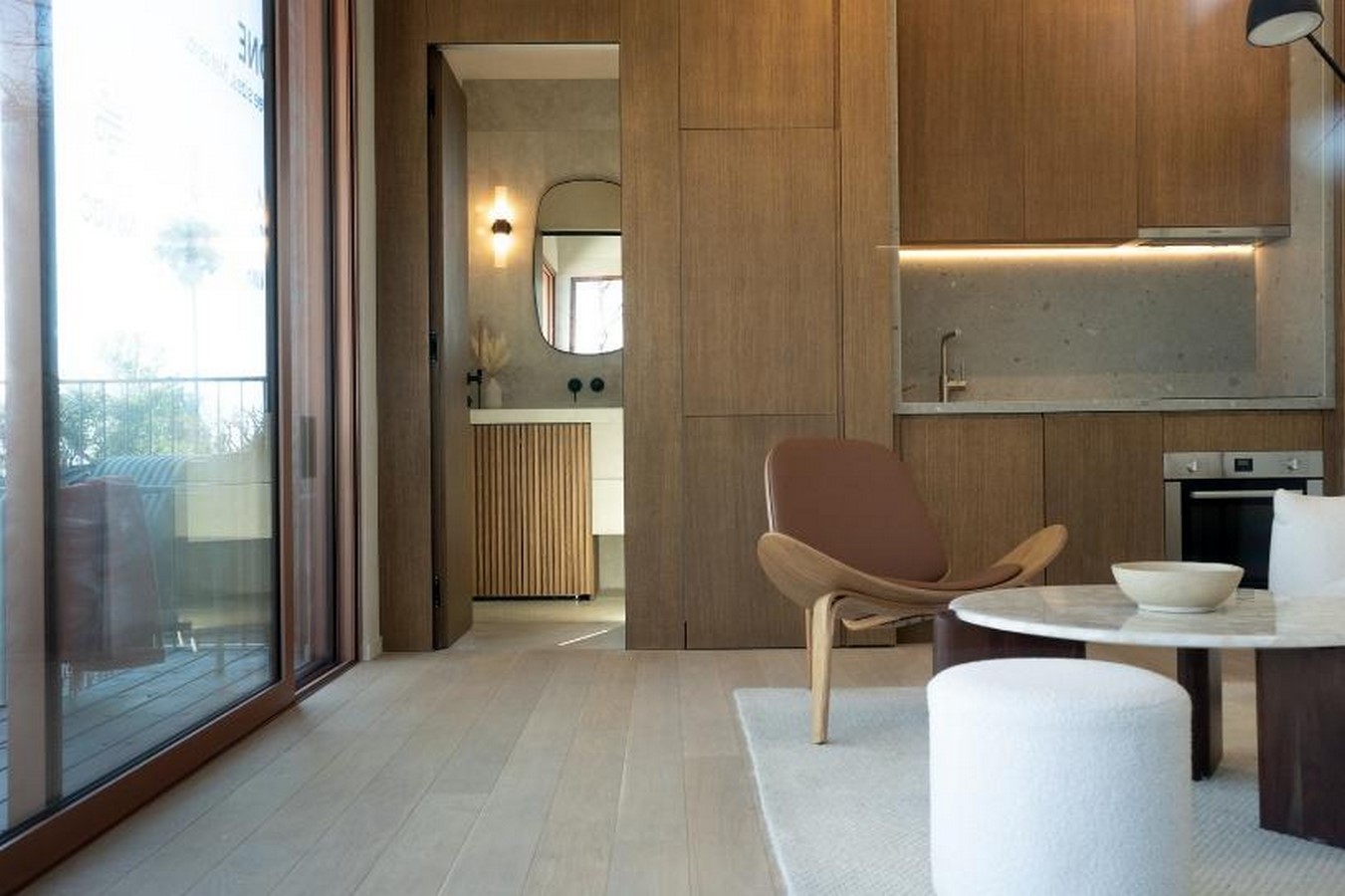
The rebuilt homes surpass California’s energy efficiency and wildfire codes, resulting not only in speed but also resilience. These houses incorporate water self-sufficiency systems, solar microgrids, and non-combustible materials. This combination of AI optimization with robotic precision exemplifies how architecture can actively respond to climatic challenges.
Modular housing in a post-disaster context
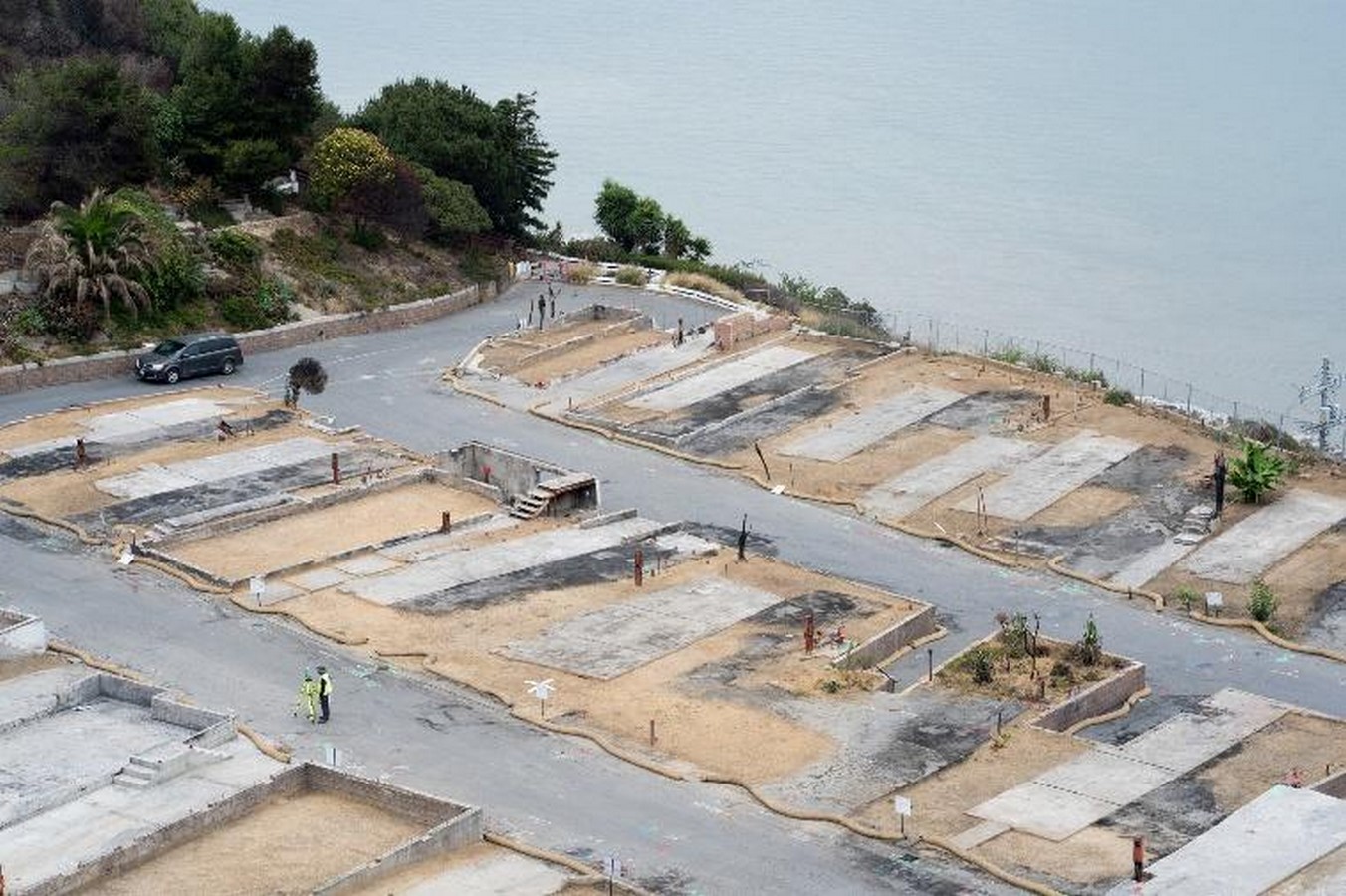
In disaster-prone areas, modular and factory-built housing has grown increasingly globally, and Los Angeles is no exception. After more than 1,600 structures were damaged earlier this year by the Palisades and Eaton fires, this system emerged. Various companies are also piloting projects where housing needs are urgent and conventional construction is slow.
Abb and cosmic’s model directly embedded the micro factory in the affected areas. This micro factory, offering a speedy modular solution for disaster recovery, was itself assembled in 30 days. Addressing the challenges of labor shortages, high costs, and sustainability, this model plans to construct 100 homes by 2027 using a mobile factory model. This has positioned the abb and cosmic model as a prototype for vast applications in construction technology.
Challenges and considerations
Despite the great potential, AI and robotic construction face challenges. The micro factories, to be assembled properly, require high upfront costs, along with a shortage of skilled operators, which limits the scalability of this model. The housing regulatory framework remains slow to adapt to unconventional methods, which is fueled by the failures of modular construction startups.
Balancing automation with human-centered design raises another pressing concern. Ethical concerns are also raised with the displacement of traditional labor and the reliance on data-driven systems. While AI and robotics excel in speed and efficiency, designers must strike a balance between cultural sensitivity, inclusivity, and long-term resilience.
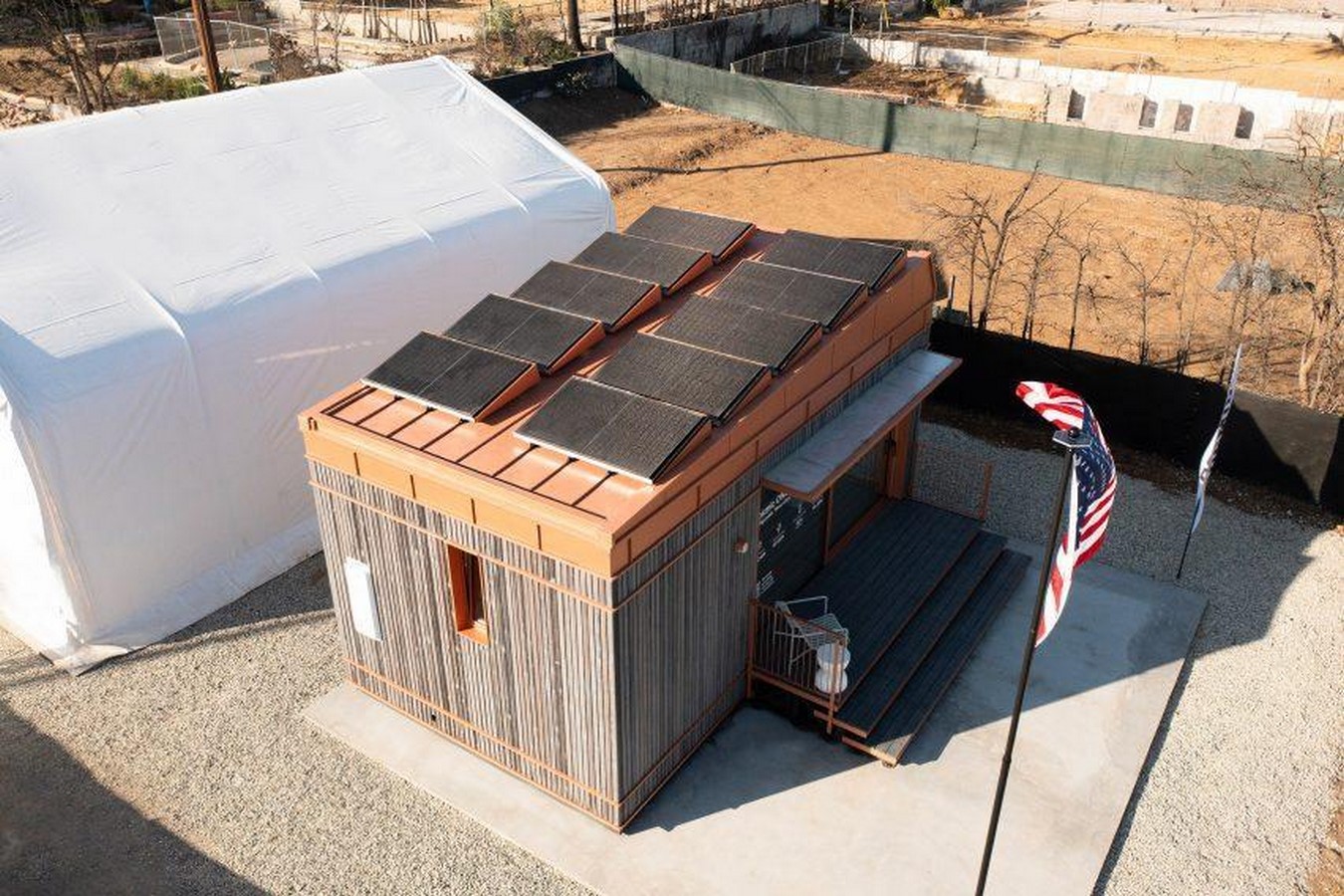
Resilience architecture is being redefined by AI and robotics, as proven by the rebuilding process from the Los Angeles wildfire. The mobile micro factories, modeled by ABB and Cosmic, offer a faster, more economical, and sustainable response. By integrating smart systems, fire-resistant materials, and renewable energy infrastructure, this project goes beyond rebuilding to establish a global benchmark for climate-resilient housing.
Citations:
Dogan, R. (2025, August 15). AI-Powered Robotics Support Rebuilding Homes in Los Angeles Fire Zones. Retrieved from Arch Daily: https://www.archdaily.com/1033163/ai-powered-robotics-support-rebuilding-homes-in-los-angeles-fire-zones?utm_source=chatgpt.com
Eberhardt, E. (2025, August 12). “Mobile robotic factory” deployed to create modular housing for LA wildfire recovery. Retrieved from dezeen: https://www.dezeen.com/2025/08/12/cosmic-buildings-abb-robotics-robotic-microfactories-los-angeles-wildfires/
The Robot Report . (2025, August 5). Cosmic and ABB use robotics to rebuild LA homes after wildfires. Retrieved from The Robot Report : https://www.therobotreport.com/cosmic-abb-use-robotics-rebuild-la-homes-after-wildfires/?utm_source=chatgpt.com
Woods, B. (2025, January 26). After the wildfires: What a long rebuilding process will look like for Los Angeles homeowners. Retrieved from CNBC: https://www.cnbc.com/2025/01/26/how-los-angeles-will-rebuild-homes-after-the-wildfires.html