Architecture has always been defined by its materials. Stone, wood, glass, and concrete have each shaped skylines, but today perforated metal is emerging as a material that combines function and form. Lightweight yet strong, it is adaptable across both architectural and industrial applications.
Designers value its creative potential for patterns, lettering, and large-scale imagery, while architects use it for practical benefits such as light control, ventilation, and acoustics. Beyond design, industries like quarrying, mining, and agriculture rely on perforated and woven wire for heavy-duty performance.
With stainless steel, corten steel, brass, bronze, and copper offering durability and recyclability, perforated metal supports sustainability as well as design freedom. It represents a shift in building materials where beauty and practicality work hand in hand.
Why Perforated Metal Is Gaining Popularity
The popularity of perforated metal is rooted in its dual purpose. On one hand, it is engineered for strength, safety, and performance. On the other, it offers architects and specifiers a canvas for design. Unlike plain steel panels or traditional cladding, perforated sheets can be manufactured in countless configurations. Hole sizes, shapes, and patterns can be customised to the exact requirements of a project.
This flexibility allows it to adapt to very different environments. For example, a rainscreen system on a high-rise building can be perforated to filter sunlight, reduce glare, and aid natural ventilation, while the same material can be reimagined as decorative interior panels for a hotel lobby. Its ability to blend seamlessly into both practical and artistic roles is one of the reasons it is becoming a defining material for contemporary architecture.
Balancing Function and Design
The best architectural materials offer more than just aesthetic appeal, and perforated metal fits this category well. Buildings today often need to achieve multiple goals at once, from reducing energy consumption to creating inspiring public spaces. Perforated panels can help achieve this balance.
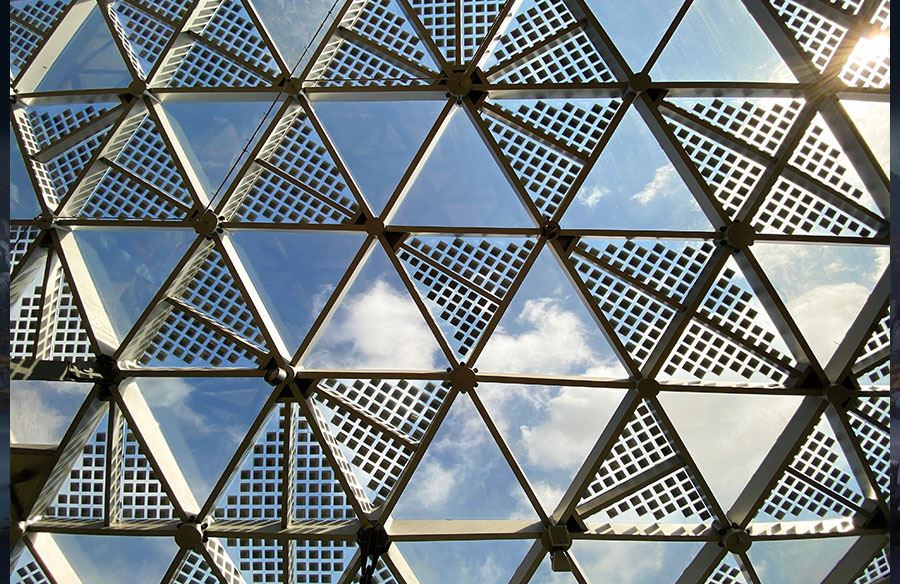
For example, when used in façades, perforated sheets allow natural light to enter without exposing interiors to excessive heat or glare. This not only contributes to occupant comfort but can also reduce the reliance on artificial lighting and cooling systems. Indoors, perforated panels are used as acoustic screens that reduce sound levels in busy environments such as offices, airports, and cultural venues.
In more robust applications, perforated steps, flooring, and ladder rungs provide slip resistance and strength without compromising safety. Industrial sectors value these properties, but so too do architects who require functional materials that can withstand heavy use without detracting from design quality.
Sustainability And Longevity
Sustainability is no longer optional in modern construction. Perforated metal offers long-term durability, which translates to fewer replacements and lower lifetime costs. Stainless steel and corten steel are known for their resilience against corrosion, making them suitable for demanding outdoor applications. Corten, in particular, develops a protective oxide layer that gives it a distinctive weathered look while protecting the core material.
The recyclability of metals such as copper, brass, and bronze further strengthens their environmental credentials. Unlike synthetic materials that degrade over time, metals retain their properties and can be recycled without losing quality. This makes perforated sheets a strong choice for architects and specifiers who want to meet sustainability targets while maintaining performance standards.
Expanding Creative Possibilities
Creativity in architecture increasingly depends on how materials can be manipulated. Advances in laser cutting and fabrication have taken perforated metal from being purely functional to becoming a medium of expression. Picture perf, where an image is created from thousands of precision-cut perforations, allows buildings to showcase large-scale artwork, branding, or cultural motifs. Similarly, alpha perf makes it possible to integrate lettering into façades and panels, bringing identity and communication into the fabric of a building.
Inside buildings, perforated partitions and feature walls allow light and shadow to play across spaces, adding movement and texture to interiors. Retail and hospitality sectors have embraced this, using bespoke designs to create memorable environments for customers. Unlike some decorative materials that are fragile or difficult to maintain, perforated metal provides long-lasting durability alongside its creative potential.
Applications Across Sectors
What sets perforated metal apart is its ability to cross industries with ease.
- Architecture and Design: Used in façades, rainscreens, cladding, and interior fitouts, perforated panels balance form and function. They can create iconic building exteriors while also providing shading, airflow, and structural performance.
- Industrial Applications: Heavy-duty perforated sheets and woven wire are integral to quarrying and mining operations. They are used in screening media to separate and process materials, and their strength makes them suitable for demanding environments.
- Agriculture and Food Processing: In these sectors, perforated metal offers hygienic, durable solutions. It is used in sieves, filters, and ventilation panels, helping to maintain safety and efficiency in food production.
- Construction and Safety: Perforated steps, flooring, and ladder rungs are designed to combine safety with strength, supporting both workers and the long-term stability of structures.
- Interior Fitouts: Offices, retail spaces, and cultural venues increasingly use perforated partitions and panels to combine acoustic performance with visual impact.
This versatility demonstrates how a single material can adapt to the needs of very different industries, making it both a practical and a creative choice.
A Future Built On Collaboration
The future of perforated metal lies not just in technology but also in collaboration. Architects, specifiers, and fabricators increasingly work together from the early stages of design. By engaging manufacturers early, projects benefit from expertise in fabrication techniques such as roll bending, forming, and bolt holing. This collaborative approach helps translate ambitious concepts into precise, engineered outcomes.
As digital tools continue to influence architecture, perforated designs will become even more ambitious. Parametric modelling and computer-aided design are already allowing architects to push boundaries, creating façades and structures that are both intricate and functional. Combined with advanced manufacturing methods, this signals a future where perforated metal plays an even greater role in shaping the built environment.
Conclusion
Perforated metal has moved from being a supporting material to taking the spotlight in modern architecture and design. Its balance of strength, adaptability, and creativity has made it indispensable across sectors ranging from construction and agriculture to interiors and large-scale architectural statements. With sustainability and collaboration driving the industry forward, perforated panels are set to remain a material of choice for those looking to create durable, functional, and striking spaces.
The future of architecture will continue to be influenced by materials that can adapt to changing needs. Perforated metal, with its combination of performance and design freedom, is firmly placed at the heart of this evolution.