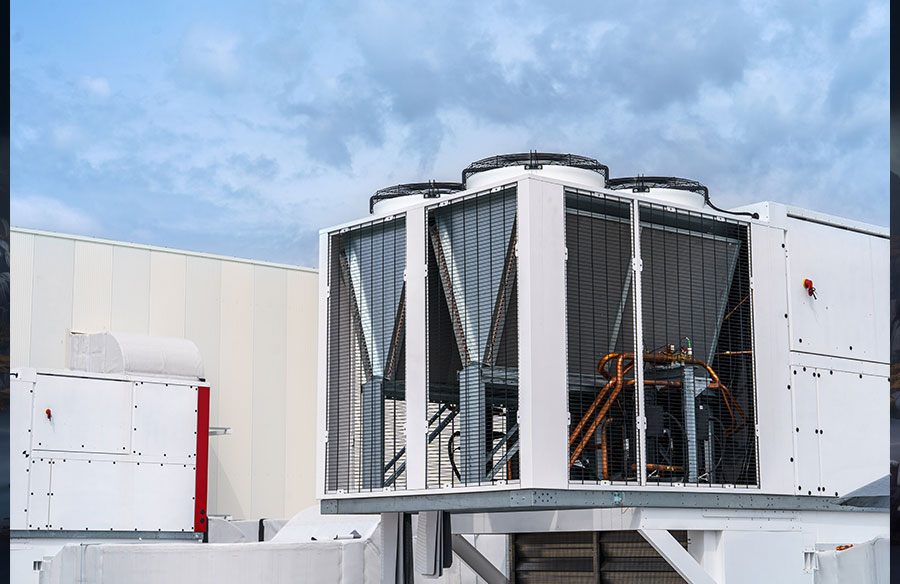
Modern manufacturing depends on precision, speed, and efficiency. Behind the machinery and production lines that keep industries moving, there is a less obvious but equally important factor: temperature control. Chiller units play a central role in keeping operations stable, protecting equipment, and allowing manufacturers to work at full capacity. Without effective cooling systems, many facilities would struggle with downtime, quality issues, and rising costs.
Why Chiller Units Matter in Industry
Manufacturing processes generate a great deal of heat. From heavy-duty injection moulding machines to the fast-paced production lines in food and beverage facilities, excess heat can damage equipment or cause products to fail. Chiller units provide a reliable way to remove that heat and keep everything running smoothly.
Air-cooled chillers, water-cooled chillers, glycol systems, HVAC chillers, and heat pumps each serve different needs, but they all contribute to a single outcome: efficient production. By maintaining the right temperature, they extend the life of equipment and reduce the risk of unexpected breakdowns.
Supporting Consistent Product Quality
For many manufacturers, product quality depends on temperature precision. Plastic injection moulding, for example, requires moulds to remain at specific temperatures to avoid defects. Food and beverage companies need controlled environments to maintain safety standards and taste consistency.
Chiller units create that stable environment. Instead of dealing with fluctuations that could spoil batches or reduce accuracy, manufacturers can rely on a steady, predictable process. This consistency directly impacts the bottom line by reducing waste and improving customer satisfaction.
Energy Efficiency and Cost Savings
One of the biggest challenges for manufacturing today is balancing productivity with energy costs. Modern chiller units are designed with efficiency in mind. Advances in compressor technology, variable speed drives, and eco-friendly refrigerants make it possible to cool equipment without excessive energy consumption.
Water-cooled chillers, for example, are often more efficient in larger facilities because they can reject heat through cooling towers. Air-cooled chillers, on the other hand, are easier to install and maintain in smaller spaces. Choosing the right system for the job can result in significant savings on energy bills.
The Role of Glycol Chillers in Heavy Duty Applications
In industries where extremely low temperatures are required, glycol chillers are a common choice. These systems mix water with glycol to prevent freezing, making them reliable even in cold conditions. They are often used in breweries, distilleries, and food storage facilities, where temperature stability is vital for safety and quality.
By offering precise cooling at scale, glycol chillers help businesses meet demanding production requirements. Their versatility makes them an excellent option for processes that cannot afford interruptions.
HVAC Chillers and Comfortable Work Environments
While much of the focus is on production machinery, the human element should not be overlooked. Manufacturing facilities employ large workforces, and staff performance is linked to comfortable conditions. HVAC chillers help maintain indoor climate, keeping workers safe and productive.
Beyond comfort, regulated environments reduce humidity levels, which is especially important in industries like electronics, where moisture can damage sensitive components.
Heat Pumps for Dual Purpose Use
Heat pumps provide an additional advantage in manufacturing by offering both cooling and heating functions. This dual-purpose capability makes them a flexible option for facilities with changing needs throughout the year. Instead of investing in separate systems, manufacturers can rely on heat pumps to adapt to different conditions while keeping energy use efficient.
Reducing Downtime and Protecting Equipment
Unexpected breakdowns can halt production and result in expensive delays. Chiller units reduce that risk by keeping machines within their safe operating limits. Excessive heat can warp components, damage electronics, or accelerate wear and tear. With effective cooling, these risks are greatly reduced.
By maintaining stable operating conditions, chillers also extend the life of machinery. This means fewer replacements, lower maintenance costs, and better use of resources.
Innovation in Modern Chiller Design
The industry is moving towards smarter, more adaptable cooling solutions. Modern chillers often come equipped with advanced control systems that allow operators to monitor performance in real time. Sensors and connected technology can track energy use, detect issues early, and adjust output to match demand.
Eco-friendly refrigerants are also becoming more common, helping manufacturers reduce their environmental impact while still meeting production targets. These innovations make chiller units not only practical but also a step forward in sustainable manufacturing.
Matching Chillers to Industry Needs
Every industry has unique requirements, which is why there is no one-size-fits-all chiller solution. Plastic manufacturing demands precision, food and beverage need hygienic systems, and automotive processes rely on reliable cooling to support painting, welding, and assembly.
By selecting the right chiller unit for each task, businesses can optimise performance and avoid unnecessary costs. Portable and mini chillers, for example, are useful for smaller-scale applications, while large-scale industrial chillers are built for heavy-duty work.
Future Outlook for Chiller Units in Manufacturing
The demand for efficient, sustainable cooling will only increase as industries expand. Manufacturers are looking for systems that can keep up with production demands while lowering energy consumption. Smart chillers, renewable-friendly technologies, and modular designs are shaping the future of cooling.
As regulations tighten and energy prices continue to fluctuate, chiller units will become an even more important part of long-term planning in manufacturing. Those who invest in the right systems today will be better prepared for the challenges of tomorrow.
Conclusion
Chiller units may not be the most visible part of a manufacturing facility, but they are one of the most important. By controlling temperature, they protect equipment, support product quality, and reduce costs. From air-cooled and water-cooled systems to glycol chillers, HVAC solutions, and heat pumps, these units give manufacturers the reliability they need to succeed.
In a competitive industrial landscape, efficient cooling is no longer an option but a necessity. The businesses that recognise the importance of chillers and invest in the right solutions will be the ones that stay ahead.