Travel has entered a new era. Guests are no longer satisfied with standard hotel rooms. Instead, they are seeking stays that feel distinctive, affordable, and connected to nature. This growing demand has brought Airbnb Tiny Homes into the spotlight.
These compact yet thoughtfully designed rentals offer comfort without unnecessary excess. Whether it is a mountain cabin, a seaside studio, or a repurposed container, each space can deliver an unforgettable experience. For hosts, the appeal is equally strong. With expert support from MasterHost Vancouver, managing Airbnb Tiny Homes becomes more efficient, profitable, and aligned with modern guest expectations.
It is this combination of authenticity, functionality, and opportunity that makes tiny homes one of the fastest-rising trends in hospitality today.
The Unique Appeal of Airbnb Tiny Homes
Tiny homes are more than just small houses. They reflect a lifestyle of freedom, simplicity, and focus. Guests who stay in an Airbnb tiny home often realize they do not need a large space to feel at home. What they gain is connection with nature, the local culture, and themselves.
Smart design makes these homes practical. Foldable beds, hidden storage, and multi-use furniture keep spaces open and welcoming. Instead of clutter, there is calm.
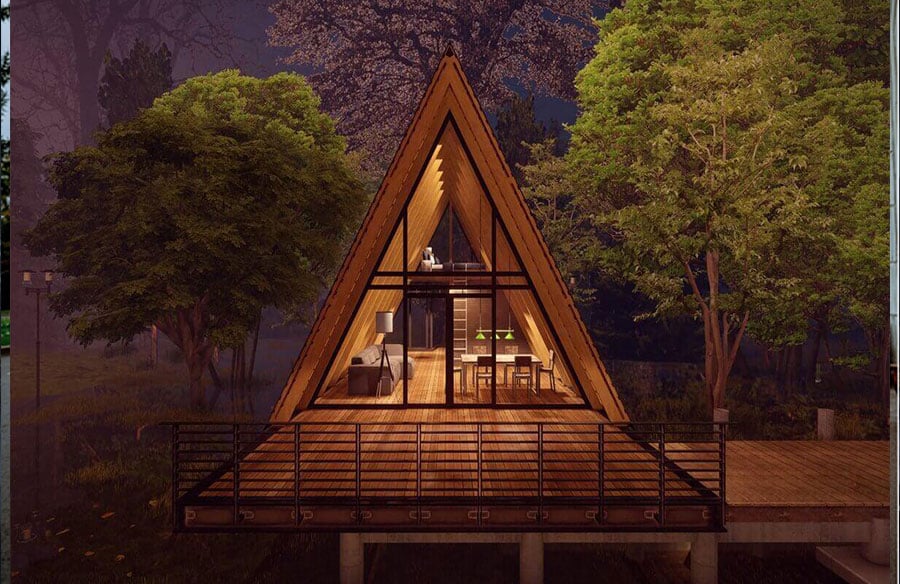
Guests also want something authentic. Hotels often feel the same, no matter the city. But Airbnb Tiny Homes tell a story. A forest cabin may feature raw wood and cozy lighting. A beachside home may bring in sunlight and sea breezes. Each one reflects its surroundings and makes the trip unforgettable.
Sustainability and Smart Design in Tiny Homes
Another reason travelers love these homes is sustainability. Tiny houses use fewer materials and require less energy. Many also include eco-friendly features such as solar panels or rainwater systems. Guests enjoy knowing their stay is lighter on the planet.
This matters even more to younger travelers. Many millennials and Gen Z guests want to support eco-friendly businesses. Staying in a small rental made from recycled wood or powered by the sun feels rewarding. The home itself becomes part of the adventure.
For designers and builders, Airbnb Tiny Homes are also a creative playground. Some use repurposed buses or containers. Others build modular cabins that can be moved if needed. These bold ideas give guests even more reasons to choose a tiny home over a standard rental.
Remote Work and the Rise of Nomadic Living
Remote work has changed how people live and travel. Many professionals no longer need to stay in one place. Instead, they work from anywhere. Airbnb Tiny Homes are often their choice.
Imagine opening a laptop at a desk with a mountain view in the morning. Later, you close it and take a hike through nearby trails. Tiny homes create that balance between productivity and relaxation.
They are also practical. Many hosts now add strong Wi-Fi, small workspaces, and comfortable seating. These features make it easy for digital nomads to book longer stays. Tiny homes are not only affordable but also inspiring, which makes them perfect for this lifestyle.
Guest Experience in Airbnb Tiny Homes
Because space is limited, details matter. Hosts who design with care can turn an Airbnb tiny home into a stylish retreat. Soft lighting, compact layouts, and multi-use furniture create comfort without clutter.
Personal touches often leave the biggest mark. A welcome basket with local coffee, handmade décor, or a short guidebook can transform the guest experience. Travelers remember these moments long after their trip ends.
Many guests share their stays on social media, giving free exposure to hosts. Photos of charming, well-designed spaces inspire others to book. Reviews build trust and drive demand. With the right support, hosts can create small rentals that stand out in a crowded market.
Why Tiny Homes Are the Future of Hospitality
The world of hospitality is changing. More travelers are looking for meaning, not just comfort. They want spaces that inspire and feel personal. Tiny homes provide that.
Hotels offer convenience, but they cannot match the warmth of a handcrafted rental. Airbnb Tiny Homes combine affordability, sustainability, and character. They give travelers a story to tell and hosts a new way to succeed.
As remote work and nomadic lifestyles continue to grow, tiny homes will only become more popular. They are not just a passing trend. They are shaping the future of travel.
For both guests and hosts, Airbnb Tiny Homes represent the next step in hospitality.