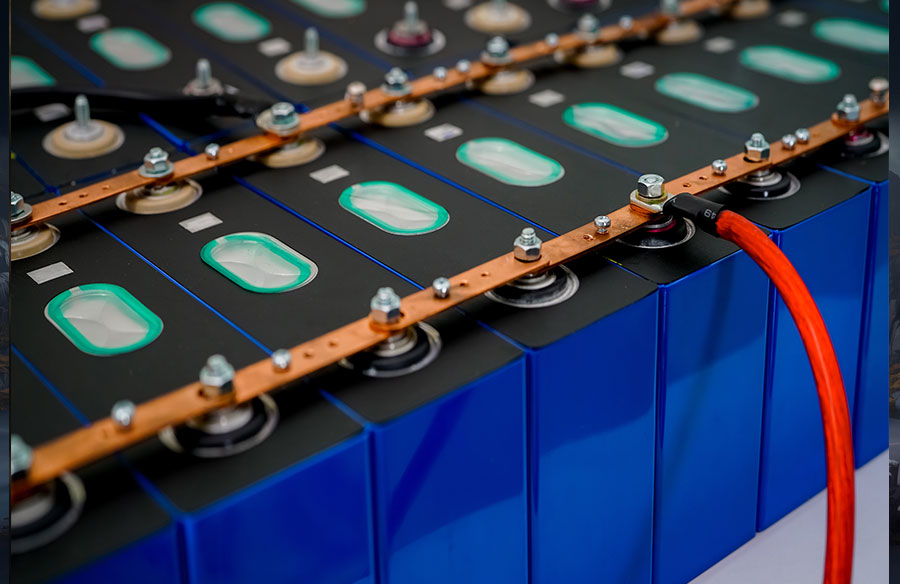
The solar energy revolution is transforming how we power our homes, but a critical challenge remains: efficient energy storage. As more homeowners embrace solar technology, the need for reliable storage solutions becomes increasingly apparent. Enter 48V lithium battery – the game-changing technology that’s revolutionizing solar power storage. These advanced systems, available in various voltage configurations including 25.6V and 51.2V options, are reshaping how we harness and utilize solar energy. By offering unprecedented efficiency, extended lifespan, and significant cost savings over traditional storage methods, lithium batteries are making true energy independence accessible to homeowners. This guide will navigate you through the world of lithium battery solutions, helping you understand voltage options, implementation strategies, and how to maximize your solar investment for optimal performance and reliability.
Why Lithium Dominates Solar Energy Storage
The transition from traditional lead-acid batteries to lithium technology represents a quantum leap in solar energy storage capabilities. Lithium batteries, particularly LiFePO4 chemistry, offer an impressive lifespan of 15-20 years compared to the mere 3-5 years of lead-acid alternatives. This extended durability translates to significant long-term cost savings despite higher initial investment. The superior depth of discharge is equally transformative – while lead-acid batteries typically limit usage to 50% capacity to prevent damage, lithium batteries safely operate at 80-100% depth of discharge, effectively doubling usable capacity in the same physical footprint. This space efficiency is further enhanced by lithium’s lighter weight, typically reducing battery bank size by two-thirds. The maintenance-free nature of lithium systems eliminates the regular watering, cleaning, and electrolyte checking required by lead-acid batteries, saving both time and resources. LiFePO4 chemistry’s inherent stability provides unmatched safety features, including resistance to thermal runaway and enhanced fire protection. From an environmental perspective, lithium batteries contain no toxic materials, boast a longer service life reducing replacement waste, and maintain higher charging efficiency, minimizing energy losses and reducing overall carbon footprint. These compelling advantages make lithium the clear choice for modern solar energy storage solutions.
Decoding Voltage Options: 25.6V vs 48V vs 51.2V Systems
25.6V Lithium Battery: Compact Power for Smaller Setups
For modest power needs, 25.6V lithium systems offer an accessible entry point into solar storage. These systems excel in compact applications like cabin installations and RV solar setups, where space optimization is crucial. While budget-friendly, these systems typically support inverters up to 3000W, making them ideal for powering essential appliances and basic electronics. Their modular design allows for simple installation, though expansion capabilities may be limited compared to higher voltage alternatives.
 48V Lithium Battery: The Home Solar Sweet Spot
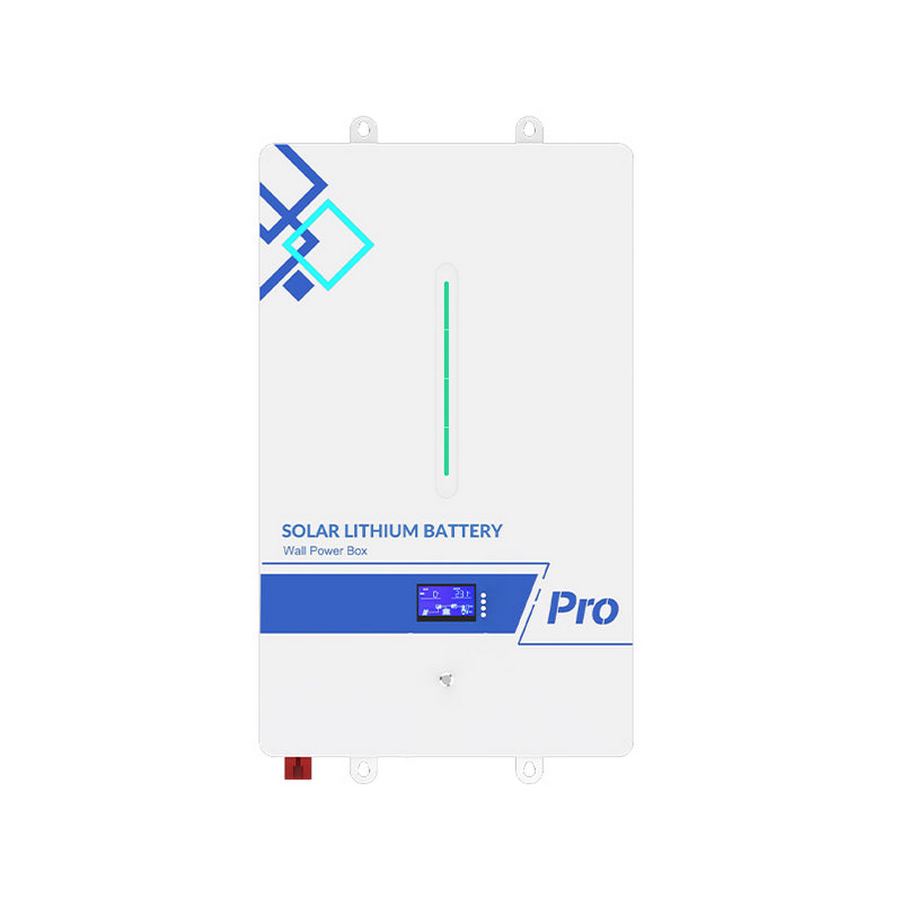
The 48V configuration has emerged as the optimal choice for residential solar installations, striking an ideal balance between power delivery and system efficiency. Industry leaders like Anern have pioneered 48V systems that significantly reduce current flow for the same power output, resulting in smaller wire sizes and reduced installation costs. These systems seamlessly integrate with popular hybrid inverters, enabling sophisticated power management features. Their superior efficiency in energy transfer minimizes conversion losses, particularly beneficial in whole-house backup scenarios where every watt counts.
51.2V LiFePO4 Battery: High-Demand Scenarios
51.2V systems represent the cutting edge in lithium battery technology, designed for demanding applications and future expansion. These systems excel in large off-grid homes and commercial installations where power requirements regularly exceed 10kW. The higher voltage proves particularly advantageous in installations with long cable runs, reducing voltage drop and power losses. For homeowners planning system expansion or anticipating increased energy needs, 51.2V systems provide valuable future-proofing, supporting seamless integration of additional capacity and advanced power management features.
Implementing 48V Lithium Batteries for Solar Storage
Successfully integrating 48V lithium batteries into your solar system requires careful planning and precise implementation. Begin by calculating your daily energy consumption through a detailed audit of appliance usage patterns and peak demand periods. For accurate battery bank sizing, multiply your daily usage by desired backup days, then factor in depth of discharge capabilities – lithium batteries safely allow 80-100% utilization versus lead-acid’s 50% limit. When selecting an inverter, ensure it’s specifically rated for lithium chemistry and can handle your peak load plus 20% safety margin. Modern hybrid inverters offering built-in charge controllers simplify system design while maximizing efficiency. Installation demands strict safety protocols: proper ventilation, temperature-controlled environments, and adherence to manufacturer-specified mounting orientations. Professional installation should include dedicated battery monitoring systems that track individual cell performance, state of charge, and temperature variations. These advanced monitoring capabilities enable real-time system optimization, with modern lithium systems achieving remarkable round-trip efficiency exceeding 95% – a significant improvement over lead-acid’s typical 80%. This efficiency advantage becomes particularly evident in extreme climate conditions, where lithium batteries maintain consistent performance from -4°F to 140°F without requiring additional climate control systems. The combination of precise monitoring and superior thermal performance ensures reliable operation year-round while minimizing energy losses throughout the storage and retrieval cycle.
Cost-Effective Off-Grid Solutions with Lithium Tech
Making the transition to lithium battery storage requires careful financial planning, but delivers compelling long-term value. While initial costs may be 2-3 times higher than lead-acid systems, the extended 15-20 year lifespan and minimal maintenance requirements result in significantly lower total ownership costs. To optimize your investment, start by accurately sizing your solar array to match lithium storage capacity – typically 1.2-1.5 times battery capacity for efficient charging. Modern lithium systems eliminate costly maintenance routines like electrolyte checks and cell balancing, saving thousands in service costs over the system’s life. Consider the case of a remote mountain cabin installation utilizing a 51.2V system: The owner initially invested in a 15kWh battery bank paired with 12kW of solar panels, designing for future expansion. After one year, they expanded to 30kWh storage by adding parallel battery modules, demonstrating the scalable nature of lithium systems. This modular approach allows gradual progression toward complete energy independence, spreading costs over time while maintaining system efficiency. The cabin now operates entirely off-grid, powering modern amenities including heat pumps and EV charging, with zero utility bills and minimal operational costs.
Maximizing Solar Power with Advanced Lithium Storage
The evolution of lithium battery technology has revolutionized solar power storage, offering unprecedented flexibility through multiple voltage options. Whether choosing a 25.6V system for modest needs, a 48V configuration for residential applications, or a 51.2V setup for high-demand scenarios, today’s lithium solutions provide reliable, efficient energy storage. The superior characteristics of lithium batteries – including extended lifespan, deeper discharge capabilities, and minimal maintenance requirements – deliver compelling long-term value despite higher initial investments. As renewable energy adoption accelerates, lithium battery systems will continue playing a pivotal role in enabling energy independence. When selecting your system, carefully evaluate your current and future power needs, considering factors like daily consumption, backup requirements, and potential expansion plans. By choosing the right voltage configuration and implementing proper system design, you can create a robust, efficient energy storage solution that powers your home reliably for decades to come.