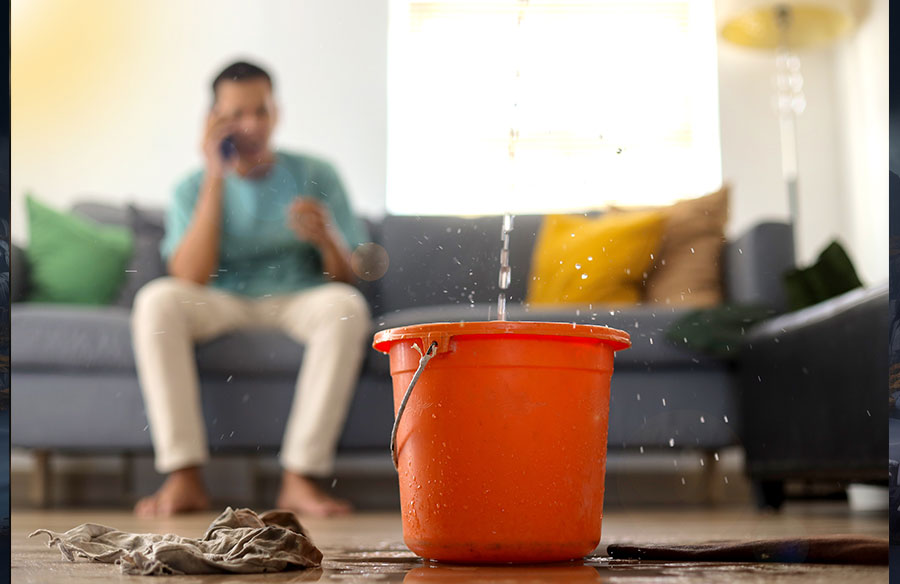
Discovering a water leak in a Utah home can feel overwhelming, especially given how quickly water can harm walls, floors, and personal belongings. The most important action is to stop the source of water and begin to remove standing water as soon as possible to limit damage and protect health and safety. Acting swiftly in these first moments helps minimize repair costs and the need for a major water damage cleanup after floods or leaks.
Utah’s dry climate doesn’t shield homes from burst pipes, appliance failures, or unexpected storms. Residents must know that after shutting off the water supply, ensuring safety and reaching out for professional help can make a significant difference in the restoration process. Taking immediate steps also provides clearer documentation when working with insurance and local restoration teams.
Key Takeaways
- Immediate response helps limit water damage and repair costs.
- Prioritize safety, stop the leak, and start water removal quickly.
- Fast action supports effective water damage cleanup after floods or leaks.
Immediate Actions to Take After a Water Leak
In the first moments after discovering a water leak, rapid and effective decisions can limit property damage and reduce the risk of danger. Preventing further flooding and ensuring a safe environment should be the top priorities before addressing repairs.
Shut Off the Main Water Valve
The first critical step is to stop the flow of water immediately. Locate the main water valve, which is typically found in the basement, crawl space, utility room, or near where the water line enters the home. Turn off the valve by rotating it clockwise until it completely closes. This step halts additional water from escaping, whether the leak is a burst pipe, faulty appliance, or plumbing issue.
After the valve is closed, open a faucet on the lowest level of the house to relieve pressure in the pipes. Quick action here can prevent extensive flooding and water damage. For homeowners who do not know the location of the main water valve, it is strongly advised to find out in advance to avoid delays during emergencies.
Ensure Electrical Safety
Water and electricity create a severe hazard. Before entering any flooded or wet area, carefully assess potential electrical risks. If water has reached outlets, appliances, or electrical panels, do not step in or try to unplug devices. If it is safe and dry to do so, turn off the electricity at the main breaker panel. Avoid operating electrical switches or using electrical equipment until a professional has inspected the area.
Never touch electrical outlets or wires if standing water is present. Contact a licensed electrician or the utility company if there is any doubt about safety. Taking these precautions minimizes the risk of electrical shock or fire during water leak events.
Identify the Source and Type of Leak
Determining the exact source and nature of the water leak is essential for choosing the best next steps. Inspect visible plumbing, appliances, and fixtures to see if the leak is from a burst pipe, leaking roof, broken appliance, or another origin.
Types of leaks to consider:
- Clean water leaks: From pipes, faucets, or roof leaks
- Gray water leaks: From washing machines, baths, or dishwashers
- Sewage (black water) leaks: From toilets or sewer lines
Knowing whether the leak is clean or contaminated water helps gauge the level of risk and the urgency for professional help. Severe leaks from burst pipes or sewage backups usually require immediate assistance from a professional plumber for safe mitigation and repairs.
Assessing, Mitigating, and Restoring Water Damage
Addressing water damage at its earliest stages is vital to preventing structural issues and mold growth. Each phase—assessment, extraction, and thorough drying—plays a distinct role in protecting both property and health.
Assess the Extent of Water Damage
Begin by inspecting all visible and hidden areas where water may have entered. Water tends to travel under floors, behind walls, and into crawl spaces, making it important to check areas that might not look wet at first glance. Look for damp spots, discoloration, soft drywall, and warped floors.
Use moisture meters or thermal imaging cameras to pinpoint moisture that is not obvious. Take clear photos and notes of all damaged areas for insurance and restoration purposes. Identifying the water source—broken pipes, faulty appliances, or roof leaks—needs immediate action to prevent further intrusion. If large portions are affected or if black or foul-smelling water is present, contact a certified water damage restoration specialist. They can safely assess contaminated areas, which may harbor bacteria or sewage.
Begin Water Extraction and Initial Cleanup
Prompt water extraction reduces the risk of permanent damage and early mold growth. Knowing what to do immediately after a flood can help guide these first steps, ensuring that safety and damage control happen in the right order. Remove standing water using wet/dry vacuums, sump pumps, or professional-grade extraction equipment. Pay close attention to areas with soaked carpets, padding, and furniture, as these can quickly deteriorate.
After extraction, remove wet or damaged items such as rugs, furniture, and personal belongings to a dry location. Dispose of materials that cannot be salvaged, such as saturated insulation or waterlogged drywall. Wear gloves and protective gear if water is contaminated. Clean all exposed surfaces using disinfectants to minimize the risk of bacteria or mold. Ventilate the area by opening windows and using fans, if weather permits.
Conclusion
Homeowners in Utah face unique challenges from water leaks due to varying weather and building types. Acting quickly is vital for protecting property and preventing health risks. Key steps include prioritizing safety, stopping the water source, and documenting damage. It’s also important to start drying affected areas and contact professionals when needed.
Staying calm and following proven steps helps reduce damage and can make a smoother recovery process possible. These actions give Utah homeowners a practical way to respond to water leaks effectively.