As global populations age, “healthy retirement” is becoming a central theme in lifestyle planning. Gardening has emerged as a top choice among retirees—not just as a hobby, but as a structured, health-supportive way of living. Studies show that over 60% of retirees actively participate in gardening after retirement, and the reasons go far beyond aesthetics.
1. A Sustainable Approach to Physical Wellness
Unlike gym workouts or group sports, gardening offers a moderate, low-impact physical routine that’s easier to sustain long-term. Activities like weeding, watering, and trimming promote mobility, joint flexibility, and muscle engagement.
Research suggests that just 150 minutes of moderate gardening per week can reduce the risk of chronic conditions such as hypertension and heart disease—making it a viable form of preventive health management.
2. Mental Stability and Cognitive Engagement
Gardening is proven to lower cortisol (stress hormone) levels and reduce symptoms of anxiety or mild depression, particularly common during the early stages of retirement. For those at risk of cognitive decline, structured, repetitive gardening tasks offer a therapeutic rhythm and mental stimulation, often used in senior care programs.
3. Restoring a Sense of Time and Routine
Many retirees struggle with the loss of daily structure. Gardening operates on seasonal cycles—planting in spring, maintenance in summer, harvest in autumn, and rest in winter—offering a natural, low-pressure way to reintroduce rhythm and forward planning into daily life.
4. Functional Output and Family Bonding
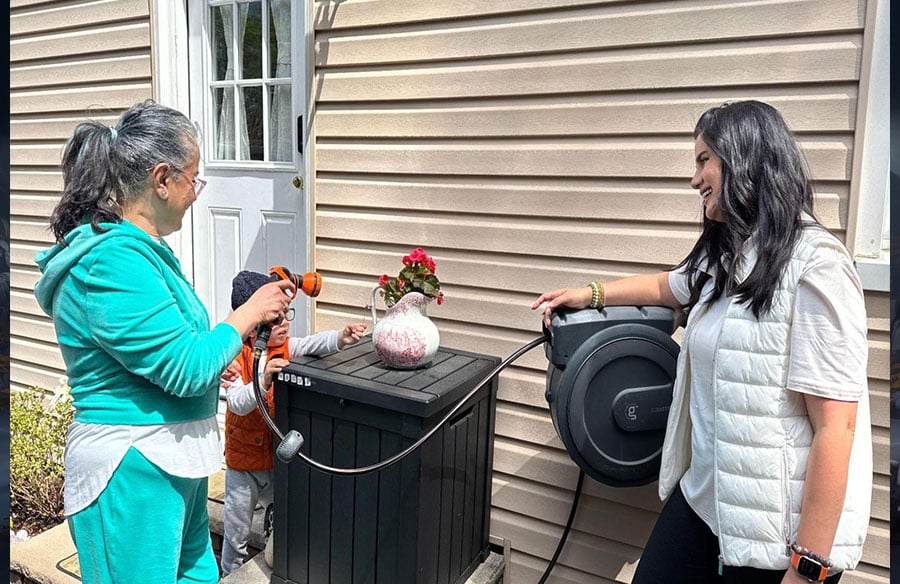
The tangible outcomes of gardening—fresh herbs, vegetables, flowers—provide both self-sufficiency and emotional satisfaction. Gardening also creates opportunities for intergenerational bonding, with children or grandchildren joining in simple tasks like watering or harvesting.
Common Challenges in Senior Gardening and How to Solve Them
While gardening is accessible, some key challenges often discourage long-term engagement for retirees. The following areas are particularly important to address:
1. Tools That Are Hard to Handle or Store
Typical issues include:
- Long hoses that are difficult to coil
- Strain from bending or carrying heavy tools
- Safety risks from cluttered walkways
Recommended solution:
Upgrade to ergonomic tools designed for ease of use. For example, retractable garden hose reels reduce manual labor and improve safety.
The Giraffe Tools Wall-Mounted Retractable Garden Hose Reel is a practical example. It features:
- Automatic hose retraction to avoid bending and coiling
- UV- and weather-resistant casing for long-term outdoor use
- Secure wall-mounting that eliminates tripping hazards in busy garden areas
Such upgrades are not luxury—they’re essential for maintaining gardening as a sustainable activity in later life.
2. Lack of Functional Space Planning
Use a zoned layout + minimal walking path strategy to simplify tasks:
- Centralize water sources and storage
- Create a dedicated wall-mounted tool area
- Choose low-maintenance, climate-adaptive plants (e.g., rosemary, cherry tomatoes, snapdragons)
3. Seasonal Gaps Without Planning
Many retirees drop gardening in winter due to inactivity. But that doesn’t mean there’s nothing to do—it just requires a shift in focus:
- Winter is ideal for cleaning, organizing, and prepping garden beds
- Indoor gardening or hydroponic systems offer off-season continuity
- Early spring is the best time for tool upgrades and safety checks
Gardening is Structural to Healthy Retirement
Gardening isn’t just a pastime—it’s a multi-dimensional lifestyle practice that supports physical health, emotional balance, cognitive function, and daily structure. The key to making it sustainable lies in early investment in the right tools and layouts.
Starting with something as simple and effective as a retractable garden hose reel can significantly reduce daily strain and extend the life of your gardening routine.